BarcelonaCity guideFirst-time visitorsSpain
Barcelona Travel Guide: First-Time Visitor Essentials for 2026
A practical 2026 Barcelona travel guide - where to stay, getting around, the Gaudí timed-entry strategy, food timing, day trips, and the pickpocket truth.
Par SimilarTours Editorial - Travel Research · · Temps de lecture : 26 min

Barcelona rewards a little planning more than almost any major city in Europe. The headline sights all run on timed entry that sells out, the dinner clock runs hours later than you expect, the old town is a maze that is wonderful to get lost in and frustrating to navigate with a deadline, and the pickpocket scene is real enough that careless visitors lose phones every single day. None of that should put you off - it is one of the most enjoyable cities on the continent, walkable, sunny, beach-fringed, and stacked with Gaudí architecture you cannot see anywhere else. This guide is the practical layer that turns a good Barcelona trip into a smooth one.
If you only read one section, make it the Gaudí ticket strategy. Booking those four sites in the right order, at the right time, is the single decision that saves you the most aggravation.
Browse all Barcelona experiences and tickets →Why Barcelona
Few cities pack as much variety into as small a footprint. In a single day you can stand under the soaring interior of the Sagrada Família, wander the tangled medieval lanes of the Gothic Quarter, eat your weight in tapas, and finish with a swim off a city beach. Barcelona is a Mediterranean port, a design capital, a food city, and a beach town at once, and the parts are close enough together that you experience them all without ever feeling rushed between them.
The architecture is the obvious draw, and it earns the hype. Gaudí's buildings give the city a look that exists nowhere else - curving, organic, color-soaked facades that feel grown rather than built. But the deeper pleasure of Barcelona is the everyday texture: the long late lunches, the vermut hour, the markets, the way the grid of the Eixample opens into the chaos of the old town, the sea always somewhere at the bottom of the hill. It is a city that is easy to love on a first visit and easy to keep returning to.
It is also genuinely well set up for visitors. The transit is cheap and intuitive, the centre is compact, English gets you by, and the experiences worth booking are abundant and competitively priced. The main thing standing between you and a great trip is the planning around timed tickets and the city's particular daily rhythm, both of which this guide covers.
Getting there and into the city
Barcelona's main airport is El Prat (BCN), southwest of the city and very well connected. You have three sensible ways into the centre, and the right one depends on your luggage, your budget, and where you are staying.
The Aerobús is the workhorse for most first-timers. It is a dedicated express coach that runs frequently from both terminals to Plaça Catalunya in the heart of the city, with a handful of central stops along the way. It takes roughly 35 minutes, has luggage racks, and runs from very early to very late, so it covers almost any flight time. If your accommodation is anywhere near the centre, this is usually the easiest single decision.
The Metro and train options are cheaper. The Metro Line 9 Sud connects the airport to the network, and the R2 Nord commuter train links Terminal 2 to central stations. Both are economical, but note the airport Metro line uses a separate, higher fare than standard city journeys, and the train only serves Terminal 2 directly, with a shuttle bus from Terminal 1. If you are travelling light and your hotel sits near a Metro stop, transit works well; with heavy bags and a Terminal 1 arrival, the Aerobús is simpler.
A taxi from the official rank is the no-thinking option. Barcelona's black-and-yellow taxis are metered, honest, and reasonable for a group or for late arrivals, with a fixed minimum fare from the airport. Only ever take a cab from the marked rank outside the terminal, and ignore anyone offering you a ride inside the building.
Buy your transit card on arrival
If you plan to use the Metro and bus around the city, pick up a T-casual card at the airport or your first Metro station. It is a 10-journey ticket that works across Metro, bus, and local trains in Zone 1, and it is far cheaper per ride than single tickets. One card cannot be shared between people on the same trip, so buy one per traveler.
Getting around
Barcelona is one of the easier big European cities to move around, mostly because so much of what you want to see is walkable and the rest is a short Metro ride.
The Metro is the backbone. It is clean, frequent, runs late (and all night on Saturdays), and reaches nearly every major sight. The exceptions are the very top of Park Güell and the heights of Montjuïc, both of which need a short bus or an uphill walk from the nearest station. Lines are color-coded and numbered, signage is clear, and you are rarely more than a few minutes from a stop in the central districts.
The T-casual card is the way to pay. It gives you 10 journeys across Metro, bus, tram, and local FGC and Rodalies trains within Zone 1, with free transfers between modes inside a 75-minute window. For a typical few-day visit, one or two cards per person covers the whole trip. Avoid buying single tickets repeatedly - they add up fast.
Walking is the real pleasure of Barcelona, and often the fastest way to cover the centre. The Gothic Quarter, El Born, and the Eixample are all best explored on foot, and the distances between old-town sights are short. Wear proper shoes - the old town's stone is uneven and you will rack up serious mileage without noticing.
Bikes suit the flat parts of the city beautifully. There is a dense network of protected lanes through the Eixample and along the waterfront, and a guided bike tour is a genuinely good way to get oriented on a first morning, linking the old town, the beach, and the parks at a pace that covers ground without exhausting you.
The hop-on hop-off bus exists and works for travelers who want a low-effort overview, looping the major sights with commentary. It is pricier and slower than the Metro, but for visitors with limited mobility or a single overview day, it earns its place. For most people, the Metro plus walking is faster and far cheaper.
 Featured tour
Highlights & Hidden Spots of Barcelona Bike Tour w/ Local Guide
A relaxed guided ride linking the old town, the waterfront, and the parks - the best way to get oriented and cover ground on a first morning.
4.7(3,023)3 hours
From
$41
Where to stay
Barcelona's neighborhoods each have a distinct character, and picking the right base shapes the whole trip. Here is the honest rundown of the six that matter most for first-timers.
Eixample is the easiest first-visit choice. This is the grand grid of wide, straight avenues and elegant blocks that fans out above the old town, and it is where most of the Gaudí houses sit. It feels calm, spacious, and central, with excellent Metro access and a deep bench of restaurants and shops. Prices run mid-to-high, and rooms tend to be larger than in the old town. It is the safe, comfortable, well-connected pick, especially for travelers who want quiet streets and a short walk to the headline sights.
Gothic Quarter (Barri Gòtic) is the atmospheric heart - a maze of narrow medieval lanes, hidden squares, and stone facades, right in the thick of things. Staying here puts you steps from La Rambla, the cathedral, and the waterfront. The trade-off is noise, smaller and often older rooms, and tight, sometimes confusing streets. It is for travelers who want to be in the middle of the old-town magic and do not mind a livelier, busier setting. Price runs mid-range, with a wide spread.
El Born sits just east of the Gothic Quarter and is, for many, the sweet spot of the old town - the same medieval streets but a touch calmer and more stylish, with a dense cluster of boutiques, wine bars, and excellent restaurants. It is wonderfully walkable, close to the beach and the waterfront park, and feels effortlessly cool without being sterile. Prices are mid-to-high. It suits travelers who want old-town character with a slightly more refined, foodie edge.
Gràcia is the local-feeling neighborhood, set above the Eixample. Once a separate village, it keeps a small-town intimacy with leafy plazas full of cafés, an independent shopping scene, and a relaxed, residential rhythm. It is a longer walk or a short Metro ride from the main sights, which is precisely why it stays unhurried. Prices are moderate. It is for travelers who want to feel like they are living in Barcelona rather than touring it, and who do not mind a little distance from the headline attractions.
Barceloneta is the beach district - a tight grid of narrow streets pressed against the sand, with seafood restaurants, a marina, and the city's most accessible beaches. Staying here means morning swims and waterfront strolls, at the cost of being further from the Gaudí core and noticeably busier in summer. Prices vary widely and spike in high season. It is the choice for beach-first trips where sun and sea outweigh proximity to the museums and monuments.
Poble Sec is the value pick, tucked below Montjuïc on the western edge of the centre. It has become a quietly excellent food neighborhood, with one of the city's best tapas streets, while staying more affordable and more residential than the old town. Metro access is good and Montjuïc's gardens and museums are on your doorstep. It suits budget-conscious travelers and food lovers who want character without the old-town price tag, and who are happy to take the Metro to the main sights.
A quick rule of thumb
First trip, want it easy: Eixample. Want to be in the old-town magic: El Born or the Gothic Quarter. Want local life: Gràcia. Beach above all: Barceloneta. Best value: Poble Sec. You cannot go badly wrong with any of these - they are all well connected and central enough.
The Gaudí timed-entry ticket strategy
This is the part of Barcelona planning that catches the most people out, so read it carefully. The four big Gaudí sites all require pre-booked, timed-entry tickets, and they regularly sell out days in advance in high season. Turning up hoping to walk in usually means either no entry that day or a slot hours later that wrecks your schedule.
The four sites are Sagrada Família, Park Güell, Casa Batlló, and Casa Milà (also known as La Pedrera). Each issues entry for a specific time window, and once a slot is gone, it is gone.
Book in this order. Sagrada Família first - it is the single most popular sight in the city and its best slots vanish earliest, especially the morning and golden-hour windows when the light through the interior is at its most extraordinary. Park Güell second - the monumental zone with the famous mosaic terraces is capped, and timed entry sells out quickly in peak months. Then the two houses, Casa Batlló and Casa Milà, which sit a short walk apart on the same Eixample avenue and are easy to pair into a single half-day; they tend to have a little more availability but still benefit from booking ahead.
The cleanest way to lock a specific time is a guided skip-the-line slot, which bundles your reserved entry with context that genuinely adds to the visit, particularly at the Sagrada Família. If you would rather go independently, that is fine too - just buy the timed tickets well ahead rather than at the door.
Do not leave Gaudí tickets to the day
In summer, Sagrada Família and Park Güell can be fully booked three to five days out. Reserve before you fly if your dates are fixed. A sold-out Sagrada Família is the most common Barcelona regret we hear.
A couple of the most-booked ways to see the Gaudí core with reserved entry:
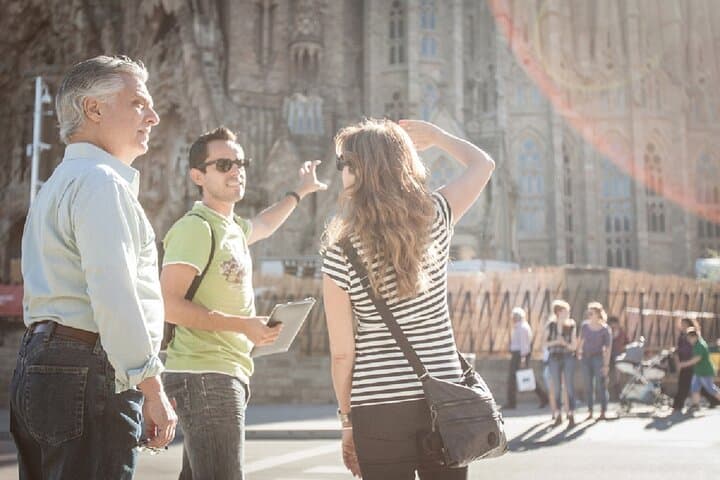 Featured tour
Sagrada Familia Guided Tour with Skip the Line Ticket
A guided visit to the city's signature basilica with a reserved entry slot - the context inside makes the soaring interior land far harder than going in cold.
4.4(9,442)2 hours
From
$65
 Featured tour
Park Guell and Sagrada Familia Tour with Skip the Line Tickets
The two must-see Gaudí sites in one guided morning with skip-the-line entry to both - the efficient way to knock out the pair that sell out first.
4.8(6,785)4 hours
From
$140
 Featured tour
Casa Batllo Admission Ticket with Intelligent Audio Guide
Reserved entry to the famously color-drenched Eixample house with an interactive audio guide - easy to pair with Casa Milà a short walk away.
4.4(3,282)2 hours
From
$53
Top things to do
Beyond the Gaudí four, Barcelona has a deep bench of experiences worth your time. A few to put on the shortlist:
- Walk the Gothic Quarter and El Born. The old town's medieval lanes, hidden squares, and the cathedral are best explored slowly on foot, ideally early before the crowds or in the evening when the stone glows.
- Spend a morning at La Boqueria market. The famous market off La Rambla is a feast for the senses - juice stalls, jamón counters, seafood, and tapas bars tucked inside. Go early; it gets shoulder-to-shoulder by midday.
- Climb Montjuïc. The hill above the port stacks gardens, museums, an old fortress with sweeping views, and the magic fountain into one easy half-day, reachable by Metro plus a cable car or funicular.
- Hit the beach. Barceloneta and the beaches stretching northeast give you a genuine city-beach afternoon, with the water warm enough to swim from late spring through autumn.
- Take a food tour or cooking class. The best single way to crack the local eating culture is to be walked through it - tapas, vermut, market produce, and the dishes worth ordering.
For the full ranked shortlist, see our things to do in Barcelona guide, which sorts the city's experiences by what is genuinely worth booking.
A one-day guided overview is also a strong move for short trips, bundling the big icons with transport:
 Featured tour
Barcelona in 1 Day: Sagrada Familia, Park Guell,Old Town & Pickup
The headline sights in a single guided day with hotel pickup and reserved entry - the low-effort way to see the icons when you are tight on time.
4.9(15,403)Half-day
From
$117
Food and dining culture
Eating in Barcelona is one of the highlights of the trip, but only if you sync to the local clock and avoid the obvious traps. The single biggest adjustment for most visitors is timing.
Meals run late. Lunch is the big meal, generally eaten between 1:30 and 4:00 p.m., and many restaurants offer a menú del día at midday - a fixed-price multi-course lunch with a drink that is the best value eating in the city, often a fraction of what the same food costs at dinner. Dinner does not really begin before 8:30 p.m., and locals fill restaurants from 9:30 onward. If you arrive starving at 6:00 p.m., you will mostly find tapas bars and tourist-facing places open; the better kitchens are not even serving yet.
The way to ride the rhythm is the in-between culture. Tapas are small plates meant for sharing and grazing, perfect for the early evening when you are hungry but it is too soon for dinner. Vermut - vermouth on the rocks with a snack, taken in the late morning or as a pre-lunch ritual on weekends - is a wonderfully local habit worth adopting. Both let you eat and drink your way through the gap between the big meals.
Order the local food. Catalan cooking has its own identity distinct from the rest of Spain: dishes built on seafood, rice, sausage, and the famous pa amb tomàquet (bread rubbed with tomato, oil, and salt). Seek out local specialties rather than the generic paella-and-sangria combos plastered across La Rambla menus, which are aimed squarely at tourists.
And the cardinal rule: do not eat on La Rambla or the main tourist squares. The food there is uniformly overpriced and underwhelming. Walk a few streets into the Gothic Quarter, El Born, Gràcia, or Poble Sec and the quality jumps while the price drops. La Boqueria market is a glorious place to graze, but eat at the counters inside rather than the stalls right at the entrance.
A food tour or a hands-on cooking class is the fastest way to learn all of this in an afternoon:
 Featured tour
Barcelona Tapas and Wine Experience Small-Group Walking Tour
A small-group evening crawl through neighborhood tapas bars with wine pairings - the local eating culture explained by someone who lives it.
4.9(6,229)3 hours
From
$81
 Featured tour
Barcelona Paella Cooking Class with Market Visit, Tapas & Sangria
A market walk followed by a hands-on paella class with tapas and sangria - a perfect five-star rated rainy-day or first-evening activity.
5.0(2,908)3 hours
From
$112
Day trips worth taking
Barcelona makes a superb base for day trips, and the surrounding region delivers landscapes and towns that contrast sharply with the city.
Montserrat is the standout. The serrated mountain massif rising inland from the city holds a famous monastery in a setting so dramatic it almost does not look real, reached by a scenic train and a cable car or rack railway. It is an easy half-day and the day trip first-timers are most consistently glad they made. Going guided removes the slightly fiddly transport coordination, and several options pair the monastery with a tapas-and-wine stop in the nearby wine country.
Girona and the Costa Brava make a rewarding full day. Girona's beautifully preserved medieval old town, its color-washed riverfront houses, and its stepped cathedral are an hour or so north, and many trips combine the city with the rugged coves and clear water of the Costa Brava coast. It is the choice for travelers who want history and scenery in one outing.
Sitges is the quick coastal escape - a stylish beach town a short train ride south, with sandy beaches, a pretty seafront promenade, and a relaxed, open-minded atmosphere. It is the easiest day trip of the three and ideal when you simply want a change of pace and some sea without committing a full day to travel.
A couple of the most-booked Montserrat options:
 Featured tour
Montserrat Small Group Tour with Tapas and Gourmet Wines
The mountain monastery paired with a tapas-and-wine tasting in the nearby wine country - a small-group half-day that adds a local food stop to the views.
4.9(7,880)Half-day
From
$63
 Featured tour
Girona & Costa Brava Small-Group Tour with Pickup from Barcelona
A scenic full day combining Girona's medieval old town with the rocky coves of the Costa Brava, with pickup from the city - history and coastline in one outing.
4.9(7,627)Full day
From
$117
Money, safety, and pickpockets
Barcelona is on the euro and overwhelmingly card-friendly. Contactless works almost everywhere, from the Metro to the smallest café, so you need very little cash - keep a modest amount on hand for the occasional market stall, tip, or small bar. Tipping is light and not obligatory: round up the bill or leave a euro or two for good service, and there is no expectation of a percentage.
On cost, Barcelona is mid-range for a major European city. Accommodation is the biggest expense and spikes hard in summer, but eating and getting around are affordable if you follow locals - the lunch menú del día, tapas, vermut, and the T-casual transit card all keep daily spending reasonable. The expensive traps are the restaurants and cafés right on La Rambla and the main squares, where you pay double for the address.
Now the part that matters most: pickpockets. Barcelona is safe in the sense that violent crime against tourists is rare, but it has one of the most active pickpocket scenes in Europe, and careless visitors lose phones and wallets every single day. The hotspots are predictable - La Rambla, the Metro (especially crowded carriages on Line 3), the area around Sagrada Família, the beach, and any dense tourist crowd. The thieves work distractions: a bumped shoulder, a spilled drink, a friendly stranger, a staged commotion.
The defense is simple and almost always effective. Keep your phone and wallet in a front pocket or a zipped, body-front bag. Never set your phone on a restaurant or bar table. Never use a back pocket. Keep a hand on your bag in crowds and on the Metro. Be especially alert the moment anything unusual happens around you, because the distraction is the setup. Treat it as near-certain that someone will try at some point, and as easily defeated with basic care - because it is.
The beach-bag rule
On the city beaches, never leave belongings unattended, even for a quick swim. Bag-snatching from the sand while people are in the water is one of the most common thefts. Take turns, or bring only what you can carry into the water.
Etiquette and local rhythm
A few habits smooth the way. Catalan and Spanish are both official, and you will see Catalan first on signs and menus; a polite bon dia or hola is appreciated, and English gets you by in tourist-facing places. Greet staff when you enter a shop or bar - a simple hello before launching into a request reads as basic courtesy here.
Embrace the slow pace. Lunch is long and unhurried, the afternoon lull is real, and dinner is late. Trying to rush a meal or asking for the bill the moment you finish reads as impatient; in Spain you generally ask for the bill when you are ready, and it will not come until you do. Dress is relaxed but not sloppy - locals tend to look put-together even casually, and beachwear belongs at the beach, not in the city restaurants or churches. Cover shoulders and knees if you plan to enter the Sagrada Família or other religious sites.
Sample itineraries
If you have one day, lock it around the Gaudí core: a morning Sagrada Família slot, then Park Güell, lunch in Gràcia, and an afternoon wander down through the Eixample past Casa Milà and Casa Batlló into the Gothic Quarter, finishing with tapas in El Born.
With two days, add the old town and the sea: day one for the Gaudí sites as above, day two for the Gothic Quarter and El Born in the morning, La Boqueria and lunch, then the afternoon split between Montjuïc's gardens and views or the Barceloneta beach, with a proper late dinner to close.
With three days - the sweet spot - keep days one and two and give day three to a day trip, most likely Montserrat, returning in time for a final evening in the city. If you would rather stay local, swap in a cooking class or food tour and slower neighborhood time in Gràcia and Poble Sec.
For a full hour-by-hour plan, our 3 days in Barcelona itinerary lays out a pace-tested route covering exactly this. Use this guide for the where-to-stay and how-to-get-around decisions, and the itinerary for the day-by-day flow.
When to go
Barcelona is a year-round city, but the windows differ sharply in feel. Late spring (May and June) and early autumn (September and October) are the consensus best times - warm but not scorching, long days, the sea warm enough to swim by late spring, and crowds below the summer peak. July and August are hot, humid, and busy, with the big sights at their most crowded and accommodation at its priciest; it is doable, but book everything well ahead and plan around the heat. Winter (November through March) is mild, quiet, and the cheapest, with cool but frequently sunny days, short queues, and a calmer city, at the cost of cooler swimming and shorter daylight. There is no truly bad time to visit; just match the season to your tolerance for heat, crowds, and price.
Compare every Barcelona experience in one search →Common questions
Where should I stay in Barcelona for a first visit?
The Eixample is the easiest first-timer base - wide, calm, grid-pattern streets, central to the Gaudí houses, and well connected by Metro. The Gothic Quarter and El Born put you in the atmospheric old town within walking distance of everything, at the cost of noise and tighter rooms. Gràcia is the local-feeling option, Barceloneta is for beach-first trips, and Poble Sec is the value pick. Avoid building a whole trip up on La Rambla itself - it is convenient but the priciest, most tourist-heavy strip in the city.
Do I need to book Gaudí tickets in advance?
Yes, for all four. Sagrada Família, Park Güell, Casa Batlló, and Casa Milà (La Pedrera) all run on timed entry that regularly sells out days ahead in high season. Walk-up tickets are either unavailable or push you to a slot hours later. Book Sagrada Família and Park Güell first - they are the two that sell out earliest - then the two houses. A guided skip-the-line slot is the safest way to lock a specific time.
Is the Barcelona Metro enough to get around?
For most visits, yes. The Metro is fast, frequent, and reaches every major sight except the top of Park Güell and Montjuïc, which need a short bus or uphill walk. Buy the T-casual, a 10-journey card you can use across Metro, bus, and local trains within Zone 1. The old town is genuinely walkable, so you will use transit mainly to reach Park Güell, the beach, and Montjuïc.
When do people eat dinner in Barcelona?
Late by northern-European or American standards. Lunch runs roughly 1:30 to 4:00 p.m. and is the big meal of the day, often a fixed-price menú del día. Dinner rarely starts before 8:30 p.m. and locals fill restaurants from 9:30 onward. If you show up hungry at 6:00 p.m. you will mostly find tapas bars and tourist spots. Adjust by snacking on tapas in the early evening, then eating properly later.
How bad are the pickpockets in Barcelona?
Barcelona is safe for tourists in the sense that violent crime is rare, but it has one of Europe's busiest pickpocket scenes. La Rambla, the Metro (especially crowded Line 3), Sagrada Família, and the beach are the hotspots. Keep your phone and wallet in a front or zipped pocket, never on a restaurant table, never in a back pocket, and stay alert in any crowd or distraction. Treat it as a near-certainty that someone will try, and an easy thing to defeat with basic care.
What are the best day trips from Barcelona?
Montserrat, the dramatic mountain monastery about an hour out, is the standout and easy to do guided or by train and cable car. Girona and the Costa Brava coast make a scenic full day, with medieval streets and rocky coves. Sitges is the quick beach-town escape, a short train south. Montserrat is the one most first-timers are glad they did.
How many days do I need in Barcelona?
Three full days is the sweet spot for a first visit - enough for the Gaudí core, the old town, the beach, and a single day trip without rushing. Two days covers the highlights if you book tightly. Four or more lets you add Montserrat, a cooking class or food tour, and slower neighborhood time in Gràcia and El Born.
Should I use a tour or go independently in Barcelona?
Mix both. Sagrada Família and Park Güell reward a guided visit because the context and the reserved entry are worth it. The old town, the beach, the markets, and casual dining are best done on your own. Day trips like Montserrat are easier guided because the transport logistics and timing are fiddly to coordinate solo.
Is Barcelona expensive?
Mid-range for a major European city. Accommodation is the big cost and spikes in summer. Eating well is affordable if you follow locals - the menú del día at lunch is excellent value, tapas and vermut are cheap, and Metro fares with a T-casual card are low. The expensive traps are the restaurants directly on La Rambla and the main squares, which you simply walk a few streets past.
What language do they speak in Barcelona?
Catalan and Spanish are both official, and you will see Catalan on most signs and menus first. Spanish is universally understood, and English is widely spoken in tourist-facing places. A few words of either language are appreciated, and a polite bon dia or hola goes a long way.
When is the best time to visit Barcelona?
Late spring (May and June) and early autumn (September and October) are the consensus best windows - warm but not scorching, sea warm enough to swim by late spring, and crowds below the July and August peak. Summer is hot, humid, and packed. Winter is mild, quiet, and the cheapest, with cool but often sunny days and short queues at the big sights.
Keep reading
Barcelona listicle
Things to Do in Barcelona: 22 experiences worth booking in 2026
The Barcelona shortlist - Gaudí icons, tapas crawls, day trips, ranked by what's worth your time.
Read more
Barcelona itinerary
3 Days in Barcelona: the perfect first-timer itinerary
A pace-tested three-day plan covering the Gaudí core, the old town, and a Montserrat day.
Read more
Ticket guide
Sagrada Família Tickets: types, prices, and how to skip the line
The Sagrada Família ticket tiers compared, plus the tower add-ons and best light hours.
Read more

Destination guide
Barcelona, Spain
Compare Gaudí tickets, tapas tours, Montserrat day trips, and more across the top booking sites in one search.
Plus à lire
Plus de guides pour vous aider à planifier votre voyage

Billets Casa Batllo en 2026 : tarifs, types et comment éviter la file d'attente
Un guide pratique 2026 pour les billets Casa Batllo à Barcelone - comparaison des types de billets, quand le skip-the-line en vaut la peine, et les meilleurs combos Gaudi à réserver.

2 Days in Barcelona: What to See and How to Plan the Perfect Weekend
What to see in Barcelona in 2 days: the Sagrada Familia and the Gothic Quarter on day one, Park Guell, Montjuic, and the seafront on day two, plus top tours.

The Best Day Trips from Barcelona: Montserrat, Girona, Costa Brava and More
The best day trips from Barcelona ranked by what is worth a full day: Montserrat, Girona, Costa Brava, Sitges, Tarragona, and Dali's Figueres, with top tours.

Montserrat Day Trip from Barcelona: Tours, Trains and Tips
Plan a Montserrat day trip from Barcelona: guided tours vs the train, the wine and cava combos, private options, and the tours travelers rate highest in 2026.

Park Guell Tickets: The 2026 Guide to Skip-the-Line, Guided Tours, and the Free Zone
A practical 2026 guide to Park Guell tickets - the Monumental Zone vs free area, when skip-the-line matters, and the best guided tours to book.

3 Days in Barcelona: The Perfect First-Timer Itinerary for 2026
A walkable, well-paced 3 days in Barcelona itinerary for first-timers - Gaudi core, the Gothic Quarter, a Montserrat or Girona day trip, and what to pre-book.

Billets Sagrada Familia : Le guide 2026 pour ignorer les files, accès aux tours et visites guidées
Un guide pratique 2026 des billets Sagrada Familia - les types de billets comparés, comment fonctionne réellement l'accès aux tours, et pourquoi les créneaux horaires et les tours d'accès se vendent rapidement.
Choses à faire à Barcelone : 22 expériences à réserver en 2026
La liste incontournable de Barcelone 2026 - 22 attractions, excursions d'une journée, balades tapas et expériences Gaudí classées par ce qui vaut vraiment votre temps et votre argent.
