오쓰
3 resultados (filtrado de 40)
Resultados de búsqueda
Viator
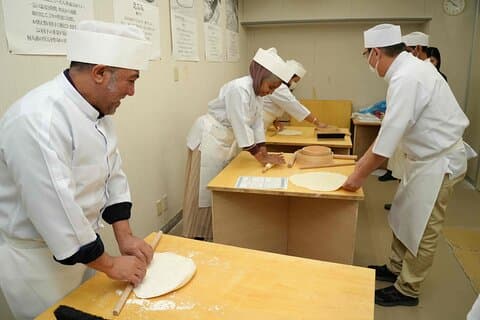
Authentic Udon Making Experience at Taishoan Kamaharu
At the long-established Taishoan Kamaharu Main Shop, the birthplace of kama-age udon, you can enjoy a hands-on program where you dress in traditional craftsman attire and experience authentic udon-making. Roll the dough, knead it with your feet, stretch it with a rolling pin, and cut it with a knife. Afterwards, boil the noodles you made yourself and savor them together with freshly prepared tempura—a truly special experience. While cooking, the shop owner will explain how wheat becomes noodles and share historical records about Tokugawa Ieyasu, the great shogun born in Okazaki, who was known to love udon. As a souvenir, you’ll receive a craftsman’s hat to take home. The shop is conveniently located right in front of the station, making train access easy. After your experience, you can also enjoy sightseeing nearby at famous attractions such as the Hatcho Miso Brewery and Okazaki Castle. We warmly invite you to join us for this unique cultural experience!
5.0(3)
2h 30m
Prefectura de Aichi
- Nuevo
Desde
$45
No se encontraron experiencias similares
Viator
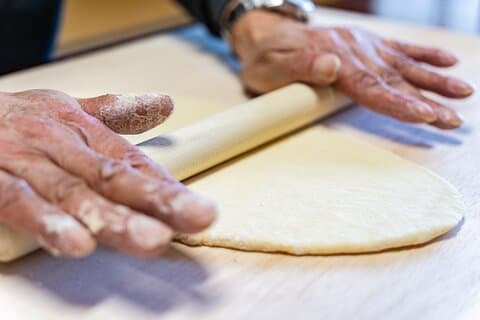
Yoshida Udon Cooking Class Yamanashi Traditional Dish.
Fujiyoshida City, at Mount Fuji's base, spans elevations of 650m to 850m, with an average temperature of 11°C. The land, affected by volcanic soil, was unsuitable for rice but ideal for barley, wheat, and corn, leading to the udon culture. During the Edo period, Fuji pilgrims frequented the area, prompting the sale of udon in homes for visitors. Many udon shops today still resemble residential houses, with subtle signage. The weaving industry thrived here from the late Edo to Showa periods, with women primarily engaged in weaving while men took up cooking and udon-making roles. This division of labor, designed to protect women's hands, led to the creation of Yoshida Udon, characterized by its chewiness and thickness, due to men's vigorous kneading.
3.0(1)
2 Hours
富士河口湖町
- Cancelación gratuita
- Tour privado
Desde
$26
No se encontraron experiencias similares

Viator
A class on Making Hoto, Yamanashi's Traditional Dish
Learn to make "Hoto," a Yamanashi specialty, with local guides. This unique dish differs from udon in preparation and taste. Start with wheat flour and water for the dough, ensuring even moisture distribution. Adding potato starch thickens the soup, enhancing warmth. Next, flatten the dough and slice it. Hoto's distinctiveness comes from cooking noodles with ingredients, thickening the soup without needing salt, making it straightforward to prepare. The primarily miso-based soup, traditionally made from homemade Koshu miso, incorporates various vegetables, offering a hearty and healthy meal.
5.0(4)
2 Hours
富士河口湖町
- Cancelación gratuita
Desde
$26
No se encontraron experiencias similares


