RomListicleSpring køen overDagsudflugterMad
Ting at gøre i Rom: 22 oplevelser værd din tid i 2026
En Rom-shortlist for 2026 - 22 attraktioner, dagsudflugter og spiseoplevelser rangeret efter hvad der faktisk er værd at booke, med spring-køen-over-picks og prisnotater.
Af SimilarTours Editorial - Travel Research · · 16 min læsning

Rom har et problem der er almindeligt for gamle byer: der er cirka ti gange mere at se end nogen rimelig tur kan tilpasse sig. Colosseum, Vatikanet, fire større pladser, otte basiliker du virkelig bekymrer dig om, tre katakombenetværk, en klynge af villaer, og hele ideen om pasta at arbejde gennem - de fleste rejsende ankommer med en ti-dages liste og et fire-dages ophold.
Denne guide skærer listen ned. 22 oplevelser værd din tid, grupperet så du kan trække det rigtige blok afhængigt af om du er her for overskrifternes ruiner, de langsomme kvarterer, maden, eller en dagsudflugt ud. Hver post inkluderer de bare fakta (prisklasse, varighed, kvarter), en specifik grund til at det er værd at booke, og hvad du springer over hvis du er presset på tid.
Priser og tilgængelighed kommer fra vores partner-OTA'er på hentningsstidspunktet; hver "fra"-figur nedenfor er den laveste live voksenbillet vi har set denne uge. Slutpris afhænger af dato, gruppestørrelse, sprog og eventuelle tilføjelser valgt ved checkout.
Gennemse alle 1.500+ Rom-ture og billetter →De uundværlige tre
Start med disse. Hver anden Rom-itinerarium løber tilbage til dem.
1. Colosseum, Romerske Forum + Palatine Hill (kombineret)
Hurtige fakta
- Prisklasse - Fra $30 (adgang) · $50-$80 (guidet)
- Varighed - 3 timer kombineret
- Kvarter - Centro Storico - Metro B Colosseo
- Bedst for - Første gangs besøgende, historieentusiaster, alle med en dag
- Book på forhånd? - Ja - 1-2 uger på forhånd om sommeren
Colosseum, Forum og Palatine Hill deler en enkelt kombineret billet, og det er den rigtige måde at gøre dem på - sammen dækker de Roms vigtigste gamle steder på en 3-timers gang. En direkte adgangsbillet får dig indenfor men springer historierne over; en lille-gruppe guidet tur tilføjer Arena Floor-adgang (den træ-gang over gulvet i amfiteatret) som ikke er bookbar på standard-billetten. Underground-niveauet koster mere og er ikke altid tilgængeligt selv via guides.
Tour booking note
På enhver kombineret billet tæller Forum + Palatine-adgangen kun en gang og inden for 24 timer af dit Colosseum-slot. Plan at gøre alle tre samme dag; en halv-dag morgen virker godt.
Top Colosseum + Forum + Palatine Hill tours

Rome: Colosseum, Forum, and Palatine Hill 3 hr Tour
Small-group, skip-the-line, all three sites with a licensed guide - the standard pick for first visits.
4.7(6,322)3 hoursView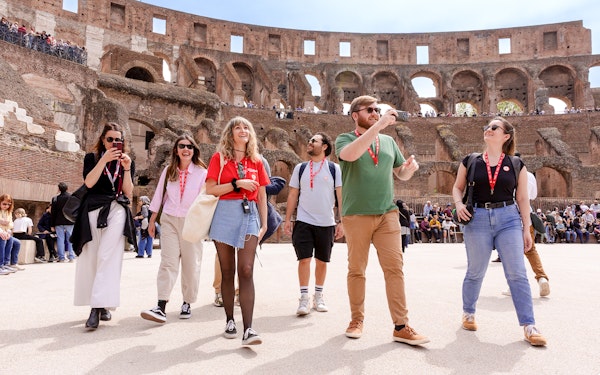
Colosseum, Palatine Hill & Roman Forum with Exclusive Arena Floor Guided Tour
4.5(12,332)2 hr 30 minViewFrom$75
Combo: Mamertine Prison + Colosseum + Roman Forum + Palatine Hill Tickets
4.3(2,908)4 hoursViewFrom$45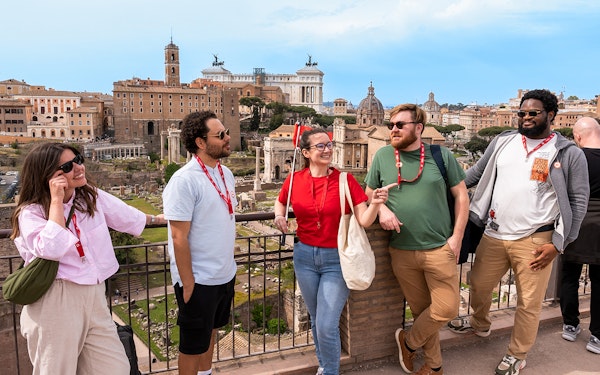
Colosseum, Palatine Hill & Roman Forum Guided Tour
4.5(18,719)2 hoursViewFrom$41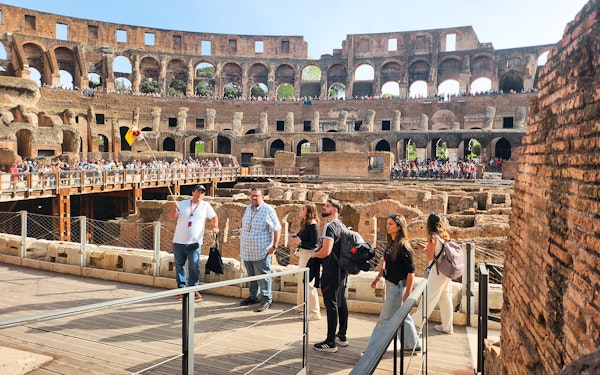
VIP Colosseum, Palatine Hill & Roman Forum Private Tour
4.1(7)3 hoursViewFrom$194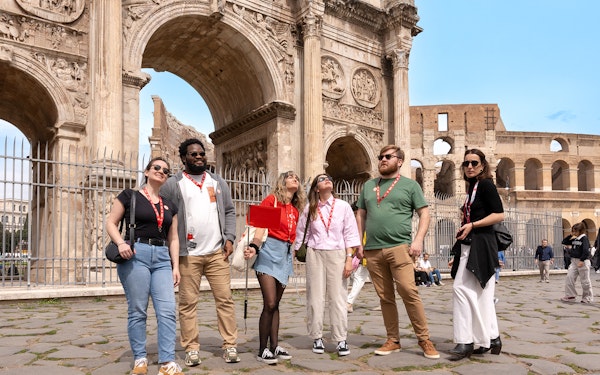
Colosseum, Palatine Hill & Roman Forum Small Group Tour
4.5(3,509)2 hr 30 minViewFrom$57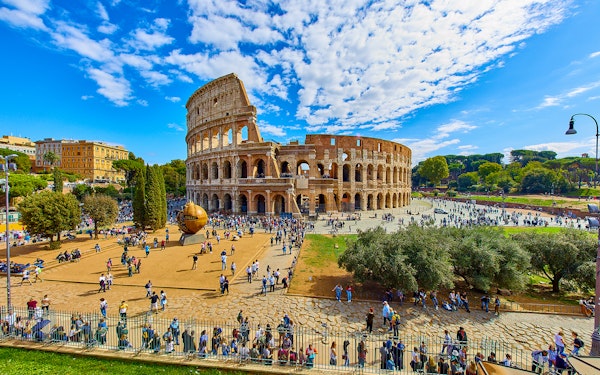
Colosseum, Palatine Hill & Roman Forum Pass
4.4(29,099)4 hoursViewFrom$28
Colosseum Access with Virtual Reality Experience
3.8(73)2 hoursViewFrom$66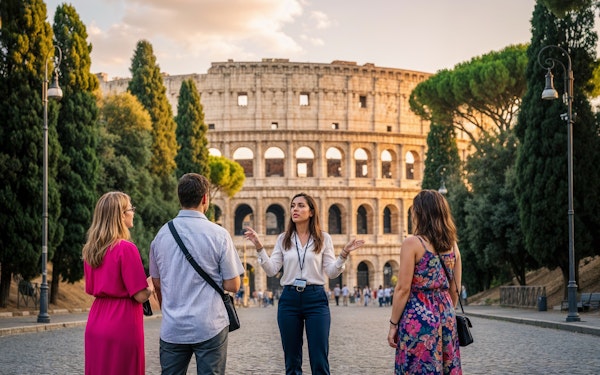
Evening Rome Walking Tour: Colossuem, Trevi Fountain & Roman Forum
3.8(5)2 hr 30 minViewFrom$81
From Civitavecchia port with Vatican Museums & Tour Guide
5.0(10)9 hoursViewFrom$1,051
2. Vatikanmuseet + Sixtine Kapel + Skt. Peters Basilika
Hurtige fakta
- Prisklasse - Fra $25 (adgang) · $45-$90 (guidet)
- Varighed - 2,5-4 timer
- Kvarter - Vatikanstaten - Metro A Ottaviano
- Bedst for - Kunstelskere, første besøg, alle der ønsker en klar højdepunktsrute
- Book på forhånd? - Ja - 1-3 uger på forhånd om sommeren; samme uge er risikabelt
Den eneste mest-bookede Rom-oplevelse efter Colosseum. Museumsomplekset er enormt - uden en guide løber de fleste mennesker til Sixtine Kapel og mister Raphael-værelserne, Kort-galleriet og Pinacoteket. En spring-køen-over guidet tur får dig en 2,5-3 times rute der faktisk dækker højdepunkterne og slutter via Skt. Peter (en bagdør-genvej der kun er tilgængelig på de guidede stier).
Hvis du absolut ikke ønsker en guide, book det tidligste direkte adgangsslot (8 a.m.) og brug en telefonguide - ved 10 a.m. er gangene uskete.
Top Vatican Museums + Sistine Chapel + St. Peter's Basilica tours

Skip the Line: Vatican Museums, Sistine Chapel & St. Peter's Basilica
The most-booked Vatican combo - skip-the-line entry plus the basilica back-door shortcut.
4.7(6,322)3 hoursViewFrom$34
Rome: Complete Early Morning Vatican Tour | Small Group
Early-access route - small group, sleeves of empty galleries before the 10 a.m. wave.
4.8(1,100)3 hoursView
Vatican Museums & Sistine Chapel - Private Tour
5.0(2)2 hr 30 minViewFrom$221
Vatican Museums & Sistine Chapel - Entrance Ticket
5.0(7)2 hours - 2 hr 30 minViewFrom$64
Rome: Vatican Museum and Sistine Chapel Reserved Entry
4.4(54)2 hr 30 minViewFrom$45
Vatican Museums and Sistine Chapel Private Tour
5.0(5)2 hr 30 minViewFrom$496
Rome: Vatican Museums and Sistine Chapel with Breakfast
4.0(2)3 hoursViewFrom$130
Sistine Chapel Express and St Peter Basilica
4.8(8)3 hoursViewFrom$886
Exclusive Vatican: Empty Sistine Chapel Morning or Evening Tour
4.8(4)2 hoursViewFrom$461
Vatican Museums Guided Tour with Sistine Chapel
4.6(5)2 hours - 4 hoursViewFrom$117
3. Pantheon + Piazza Navona + Trevi-fontænen (på fods)
Hurtige fakta
- Prisklasse - Gratis at gå forbi (Pantheon nu med billetgebyr, omkring €5 - kontroller den nuværende gebyr)
- Varighed - 2 timer at gå alle tre i dit eget tempo
- Kvarter - Centro Storico - ingen Metro nærby; går fra Spagna
- Bedst for - Aften, alle aldre, ingen booking nødvendig
Pantheon introducerede et lille adgangsgebyr (omkring €5; kontroller det officielle site for den nuværende pris) - men det forbliver en af Roms mest slående intakte gamle bygninger. Gang det sammen med Piazza Navona (med dens dramatiske barokke-stil springvand) og Trevi-fontænen i en løs to-timers aften-loop. Næsten ingen del af denne gang kræver en tur-booking; det er hvor guidede gang-grupper går, men ruten er selvfølgelig.
Se guidede Centro Storico gang-ture →Anden-niveau monumenter
De første tre er obligatoriske. Disse er anden-niveau stærke - book dem hvis du har mere end tre dage, eller vælg den der passer dine interesser.
4. Borghese Gallery + Borghese Have
Hurtige fakta
- Prisklasse - $28-$60 (tidsbestemt adgang kun)
- Varighed - 2 timer indenfor
- Kvarter - Borghese - nord for Spagna
- Bedst for - Kunstelskere, under-presset niveau af Rom-museer
- Book på forhånd? - Ja - streng tidsbestemt adgang, udbogning 7+ dage
Borghese er hvad Vatikanmuseet ville være hvis det var et kurateret 2-timers besøg i stedet for en 4-timers udholdelsesprøve. En stramt redigeret samling af barok-skulptur og Gamle Mester-maleri, med værelser designet omkring kunsten i stedet for omvendt. Streng tidsbestemt adgang kapper kapaciteten, hvilket er hele grunden til det virker.
5. Castel Sant'Angelo
Hurtige fakta
- Prisklasse - $15-$25 (direkte) · $35-$60 (guidet)
- Varighed - 1,5-2 timer
- Kvarter - På Tiberen, 10-minutters gang fra Skt. Peter
- Bedst for - Parring med Vatikan-morgen, militær-historie, terrasse-fotos
En massiv cylindrisk fæstning på Tiberen, ompurposeret gennem århundrederne med en befæstet passage der forbinder den til Vatikanet. Klatr spiralrampen til terrassen for et af de bedste indrettede billeder af Skt. Peters kuppel. Parr det med Vatikanmuseet på en enkelt morgen - de er 10-minutters gang fra hinanden.
6. Trastevere gang-tur (med aftensmad)
Hurtige fakta
- Prisklasse - $50-$90 (mad-tur) · $30-$60 (gang-kun)
- Varighed - 3-4 timer
- Kvarter - Trastevere - over floden fra Centro
- Bedst for - Aften, første gang mad-tur, atmosfærisk Rom
Det mest konsekvent anbefalede mad-tour kvarter i Rom. Trastevere holder sine smalle gader, eførvægge og familie-drevne trattoriaer mest intakte mellem floden og Janiculum-bakken. En 3-timers mad-gang rammer 4-6 stop dækkende supplì, pizza al taglio, cacio e pepe, og en vinbar; de fleste ture løber 6 p.m. til 9 p.m. og erstatter din aftensmad.
Top Trastevere walking tours

Rome Street Food Tour with Local Guide
Trastevere + Centro Storico crawl - 6-8 stops, supplì to gelato, runs nightly.
4.8(1,200)3 hoursView
Trastevere and Jewish Ghetto Private Walking Tour
5.0(80)2 hoursViewFrom$176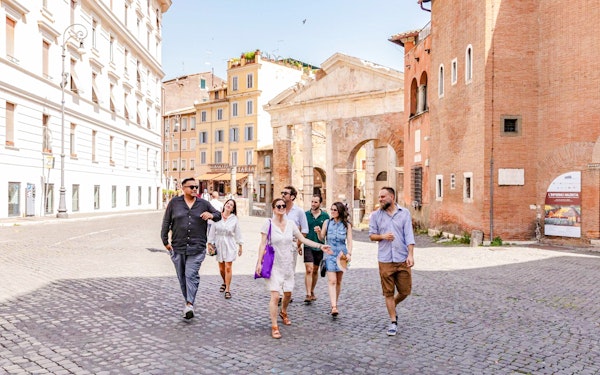
Trastevere and Campo De' Fiori Food Tour With Jewish Ghetto
4.9(123)4 hoursViewFrom$51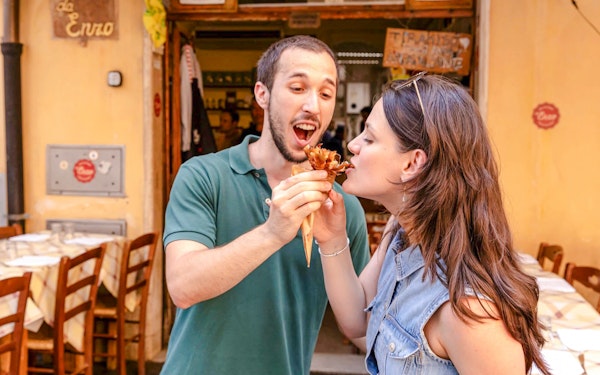
Twilight Food Tour in Trastevere
4.9(105)4 hoursViewFrom$121
Trastevere Food Tour
4.9(142)2 hr 30 minViewFrom$92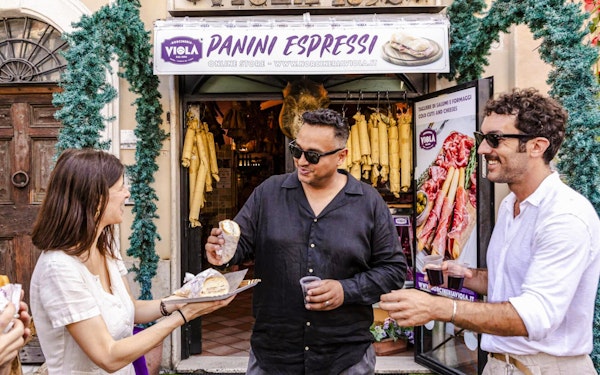
Eternal Rome: Trastevere Food Tour & Jewish Ghetto
4.9(119)4 hoursViewFrom$138
Rome Walking Tour Spanish Steps Trevi Fountain and Pantheon
2 hr 30 minViewFrom$71
Tasty Prati and Vatican Neighborhood Wine and Food Tour
5.0(1)4 hoursViewFrom$294
Food and Wine tasting Private tour
4 hoursViewFrom$940Evening Rome Walking Tour: Colossuem, Trevi Fountain & Roman Forum
3.8(5)2 hr 30 minViewFrom$81
7. Capitoline Museer
Hurtige fakta
- Prisklasse - $20-$30 direkte adgang
- Varighed - 2 timer
- Kvarter - Capitoline Bakke, gang-afstand fra Colosseum
- Bedst for - Dag 3+ besøgende, mindre-trængselstid på museum, klassisk skulptur
- Book på forhånd? - Nej
En af Roms vigtigste klassisk-skulptur samlinger, indstillet i tvillingepaladser på Capitoline Bakken - stærk antik bronzer, monumental romersk statuer, og en roligere atmosfære end Vatikanet. Roligere end Vatikanet med stor margen. En direkte billet er fin - guidede ture er ualmindelige og ikke nødvendige.
8. Caracalla-termerne
Hurtige fakta
- Prisklasse - $15-$25
- Varighed - 1,5 timer
- Kvarter - Syd for Circo Massimo
- Bedst for - Romersk arkæologi, færre menneskemængder, sommer opera-optrædener
Gulvet i en massiv keiserlig-tidsalders termekompleks syd for bycentret. Mosaikerne stadig synlige på stedet er slående. Caracalla hoster også sommer-opera under stjernerne (Rom-Operas udendørs sæson, juni-august) - kombiner dagtidsbesøget med en aften-optreden hvis dine datoer passer sammen.
Kvarterer værd en halv-dag hver
9. Jødisk Ghetto + Campo de' Fiori
En stille morgen-loop gennem Roms historiske jødiske kvarter - stegt artiskokker (carciofi alla giudia), synagogen, og de nærliggende antikke teatruiner, sluttende på Campo de' Fiori's morgen-marked. Ingen billetterede stop; en lille-gruppe gang-tur med en jødisk-historie guide tilføjer værdig kontekst værd at betale for.
10. Aventine Bakke + nøglebullet
Hurtige fakta
- Prisklasse - Gratis
- Varighed - 1,5 timer
- Bedst for - Solopsang-fotos, skjult Rom, verdens mest fotograferede nøglebullet
Aventine er bolig-bakken syd for Forum - appelsinplantager, en stille bakkehave, og "Aventine-nøglebullet" der berømt rammer en udsigt over Skt. Peters kuppel når du kiggede gennem. Gratis, dagslys-stille, og 8 minutter fra Colosseum på fods.
Foto-timing
Nøglebullet vender vest, så kuppelen er bedst belyst ved solopsang (guldglød på basilika-ansigtet) - midt på morgenen er kuppelen i skygge. Bring en lille lommelygte; nøglebullet-interiør er mørkt.
11. Appian Way + katakomber
Hurtige fakta
- Prisklasse - $45-$80 (guidet + transport)
- Varighed - Halv-dag (4 timer)
- Bedst for - Dag 3+, uden-turisten-spor Rom, e-bike ride
Appian Way er en lang strækning af antik stenvej der løber syd ud fra byen, linjet med grave og flere vigtige katakomb-netværk. Katakomerne er bookbare individuelt men en halv-dags guidet tur pakker transport + katakomber + en strækning af vejen på fods eller e-bike. Det er den mest-sprunget over store romerske oplevelse.
Se e-bike + Appian Way ture →Mad-oplevelserne værd at booke
12. Praktisk pasta eller pizza kokkeklasse
Hurtige fakta
- Prisklasse - $60-$120
- Varighed - 3 timer
- Bedst for - Aften, par + familier, erstatter aftensmad
Se efter klasser i arbejdende køkkener (ikke hotel-demoer) der inkluderer marked-gang og bliver til aftensmad - pasta fra scratch på 90 minutter, derefter sidder du ned for at spise hvad du lavede. Pizza og tiramisu workshops er familie-venligt varianter. Undgå dagtime-klasser der konkurrerer med dine sightseeing.
13. Vinsmagning i Trastevere
En 2-timers vinguide med 6-10 smagninger er det rigtige format til Rom - små vinbarer (enoteche) er åbne sent, smagningerne dækker regionale Lazio-hvider og toscanske røde, og de fleste inkluderer ost + salumi-parringer. Budgetter ~$60-$90.
14. Gelato + kaffeguide
En guidet gelato + espresso-gang er den reneste måde at lære forskellen mellem artigianale gelato (små batches, dæmpede naturlige farver, serveret i stål-kar) og turisten-fælde skye af fluorescerede skum stablet ind i vinduer på de vigtigste drag. 90 minutter, ~$35-$50, rammer 4 stop inkluderet en tredje-bølge kaffebar.
Unikke måder at se byen på
15. Vespa-tur gennem historisk Rom
Hurtige fakta
- Prisklasse - $120-$180 (passager)
- Varighed - 3 timer
- Bedst for - Par, at køre bak med en lokal guide, aftener
En passager Vespa-tur med en professionel kører dækker fire gange jorden af en gang-tur og er en af de mere mindeværdige måder at gøre Rom på ved gylden time. Du sidder bag guiden - ingen scooter kørekort nødvendig. Selv-køre Vespa-lejemål eksisterer men Rom-trafik er uforgivelig; bak er det rigtige opkald for besøgende.
16. Golf-vogn eller e-bike nattour
Et mere overkommeligt hastigheds-alternativ til Vespa. 2-3 timers ruter rammer Colosseum, Forum, Piazza Venezia, Pantheon, Piazza Navona, Trevi, Spanske Trap, og Skt. Peters ydre - de fleste floodlyste om natten. Golf-vogne sæder 4-6, e-bikes er 1-up. Begge løber ~$60-$120 pr. person.
Top Rome golf-cart + e-bike night tours

Rome by Night: Golf Cart Tour
2-hour evening loop through floodlit monuments - most-photographed Rome moment, no walking.
2 hoursView
Rome by Night Tour with Top E-bike and optional Italian Dinner
5.0(78)2 hours - 4 hoursViewFrom$85
Full Moon e-bike experience at the Costa dei Gabbiani
5.0(1)1 hourViewFrom$148
Orvieto by Evening: Small Group e-Bike tour with Dinner
4.8(30)2 hr 30 minViewFrom$83
Rome 3-Hour Evening Vespa Sidecar Tour with Gourmet Pizza Tasting
5.0(120)3 hoursViewFrom$190
E-bike Night Tour Capoliveri with music listening on the beach
2 hr 30 minViewFrom$183
Sunset Magic E-bike Tour at Sunset in Capoliveri
5.0(4)2 hoursViewFrom$118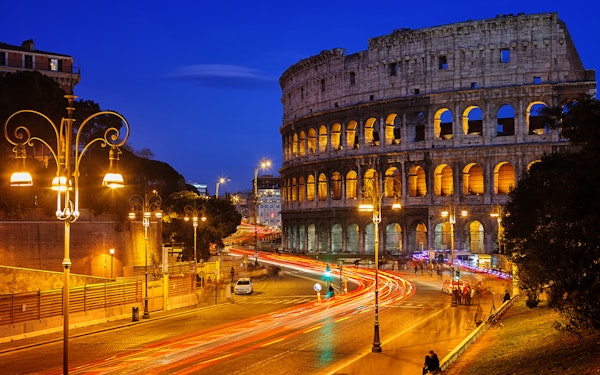
City Sightseeing: Rome Night Bus Tour
4.1(18)1 hourViewFrom$24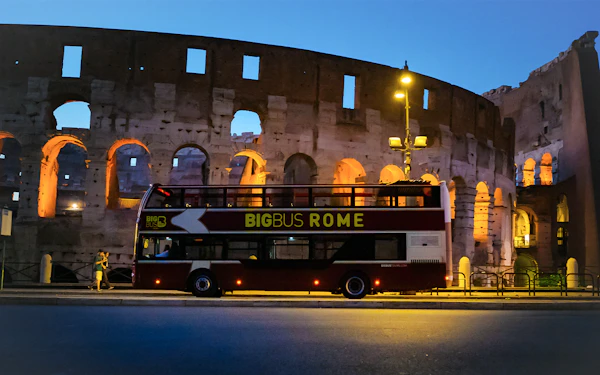
Big Bus: Rome Panoramic Night Bus Tour
4.5(1,199)1 hourViewFrom$27
1 Hour E-bike Sunset Tour in Lacona suitable for Families
5.0(2)1 hourViewFrom$118
17. Solnedgangs Tiberudflugt
Hurtige fakta
- Prisklasse - $25-$50
- Varighed - 1-1,5 timer
- Bedst for - April-oktober kun, letvinds aften, familier
En kort fortalt krydstogt fra Castel Sant'Angelo til Tiber Island og tilbage. Tiberen selv er ikke Seinen - men krydstogtet rammer Roms tre bedste broer (Sant'Angelo, Sisto, Ponte Cestio) og udsigten til Janiculum på solnedgang er det uventede højdepunkt.
Dagsudflugter værd at trække ud af Rom for
18. Pompeii + Amalfikysten (hel dag)
Hurtige fakta
- Prisklasse - $120-$220
- Varighed - Hel dag (12 timer)
- Bedst for - Alle med en fri dag, første gang Italien besøgende
Den eneste mest-bookede dagsudflugt fra Rom. En motorbus (eller, på premium-ture, en hurtig minivan med 8 sæder) gør Pompeii + Sorrent + Positano på en lang dag, ~7 a.m. afgang, tilbage ved ~7 p.m. Spis en stor morgenmad; lunch-stoppet i Sorrent er presset.
Top Pompeii + Amalfi Coast tours
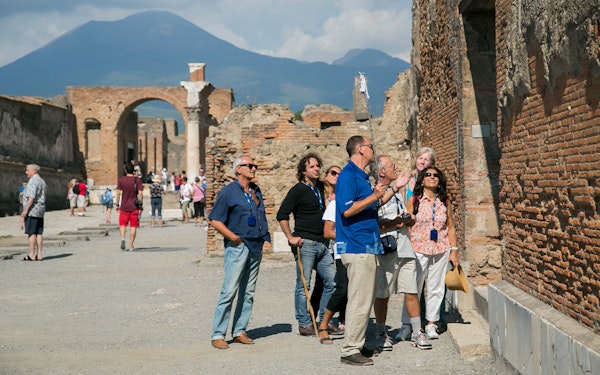
From Rome: Pompeii Guided Tour and Amalfi Coast Day Trip
4.7(313)13 hoursViewFrom$103
Private Transfer from Amalfi Coast to Rome or vice versa
5.0(10)5 hours - 7 hoursViewFrom$402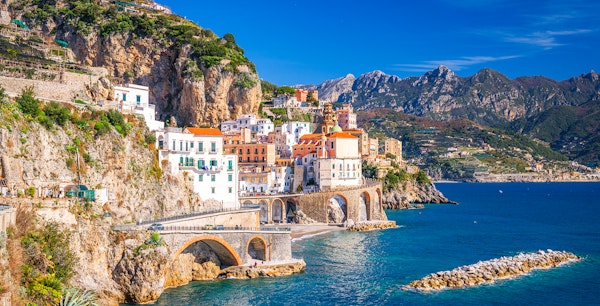
From Naples: Pompeii and Amalfi Coast Day Trip with Transfers
5.0(5)8 hoursViewFrom$104
Pompeii & Amalfi Coast Private Tour: Archaeologist-led, Flexible
5.0(48)8 hours - 9 hoursViewFrom$529
Skip-the-line Pompeii and Amalfi Coast Shore Excursion from Salerno Cruise Port
4.9(15)8 hoursViewFrom$557
Pompeii and Amalfi Coast from the Port of Salerno
5.0(16)8 hoursViewFrom$487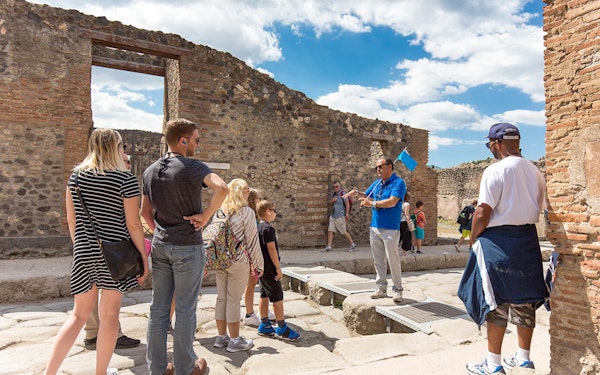
From Naples: Pompeii & Amalfi Day Trip with Transfers
4.0(18)8 hoursViewFrom$116
Private full day tour to Pompeii Amalfi Coast and Ravello
5.0(38)8 hoursViewFrom$764
Enjoy the Amalfi Coast and Pompeii - Tour with our Local Driver
5.0(67)7 hours - 8 hoursViewFrom$376
19. Tivoli: Villa d'Este + Hadrians Villa (halv-dag)
Hemmelighed-under-radaren alternativet hvis Pompeii føles for meget. Tivoli er 45 minutter øst for Rom - Villa d'Este (en bakke-villa berømt for dens tiers springvands-haver) og Hadrians Villa (en stor kejserlig-tidsalders ødelagte ejendom) gør en langsom, afslappet halv-dag. Mindre af en motorbus-følelse end Pompeii.
20. Ostia Antica
Pompeii uden vulkanen - en omfattende bevaret antik romersk havneby, 30 minutter med tog fra Piramide. Du kan selv-guide let med en telefonguide eller tage en 4-timers guidet halv-dag. Under-radaren pick når du har gjort bycenteret.
Klasserummet en (værd det hvis du blive ≥4 dage)
21. Gladiator skole (Scuola Gladiatori Roma)
En genuint sjov 2-times klasse på Appian Way - du lærer de fire klassiske gladiator-stillinger, holder det rigtige (tungt) træ gladius og skjold, og kamper i par. Familie-venligt. Boglægger op fredag + lørdag slots først.
22. Akvædukt Park + Cinecittà film-studios (kombineret dag)
For de nysgerrige. Parco degli Acquedotti er en omfattende grøn park hvor overlevelses romerske akvedukter buer over åbne felter, gratis, på byens metro B linje. Kombiner med Cinecittà film-studio tur (Italiens vigtigste historiske film-studio kompleks) til en lang halv-dag uden for det gangse ødelæggelses-spor.
Hvordan vælge fra denne liste, hurtigt
- En dag i Rom: Colosseum/Forum/Palatine halv-dag + Vatican eftermiddag. Spring alt andet over.
- To dage: Tilføj Pantheon + Trevi + Piazza Navona aften-gang + en Trastevere mad-tur.
- Tre dage: Tilføj Borghese Gallery (tidsbestemt adgang - book først) + en Tivoli eller Ostia halv-dag.
- Fire dage: Tilføj Pompeii + Amalfikysten hel dag ELLER Appian Way + katakomber halv-dag.
- Fem dage: Tilføj en kokkeklasse, en solnedgangs Tiberudflugt, og et kvarter-dybdedyk (Trastevere på dagtid, jødisk ghetto, eller Aventine).
Almindelige spørgsmål
Hvor mange dage har jeg brug for for at se Roms vigtigste attraktioner?
Tre hele dage er det realistiske minimum for komfortabelt at dække Colosseum + Romerske Forum, Vatikanmuseet + Skt. Peter, og en halv dag i Trastevere eller Centro Storico uden at løbe rundt. Fire til fem dage lader dig tilføje en Pompeii eller Tivoli-dagsudflugt og en kokkeklasse uden at omorganisere resten.
Hvad er den eneste mest-bookede Rom-oplevelse?
Spring-køen-over Colosseum + Romerske Forum + Palatine Hill guidede ture dominerer bookingvolumenet - de pakker de tre største steder på en kombineret billet og det guidede format tilføjer Arena Floor eller Underground-adgang som direkte billetter ikke inkluderer.
Er guidede ture i Vatikanmuseet virkelig værd det?
Ja for første besøg - museerne er enorme og uguidades besøg springer rutinemæssigt over alt undtagen Sixtine Kapellets travlhed. En 2,5-timers spring-køen-over guidet tur rammer højdepunkterne med kontekst og du forlader viden om hvad du så.
Hvad er den bedste dagsudflugt fra Rom hvis jeg kun vælger en?
Pompeii + Amalfikysten på en hel dags-udflugt er den mest-bookede, største-gevinst-mulighed - du dækker den berømte ødelagte by plus en af Italiens mest ikoniske kyster på en ~12-times dag. Hvis du allerede har set Pompeii på en tidligere Italien-tur, er Tivoli (Villa d'Este + Hadrians Villa) halv-dags-alternativet.
Er aften- eller nattours i Rom værd at booke?
Ja - Rom om natten er en anden by. Floodlyst Colosseum og Vatican-ture springer dagvarmen og menneskemængderne over; golf-vogn og e-bike nattours rammer et dusin monumenter på to timer; solnedgangs Tiberudflugter kører april til oktober. Aften-kokkeklasser bliver til middag.
Hvad bør jeg undgå at booke i Rom?
Spring købilletter over der ikke faktisk inkluderer guidet adgang - mange reklamerer for 'spring-køen-over' men betyder kun sikkerhedslinjerne, derefter dropper de dig inden med ingen guide. Spring Trevi-fontænens 'spring-køen-over' tilbud helt over (det er en gratis outdoor fontæne uden kø). Undgå Vatican-ture længere end 3,5 timer medmindre du specifikt ønsker dybde - du vil være udmattet.
Hvad er de 10 bedste ting at gøre i Rom?
Hvis du kun har tid til overskriftsteder, er de 10 bedste Colosseum + Romerske Forum + Palatine Hill, Vatikanmuseet + Sixtine Kapel, Skt. Peters Basilika, Pantheon, Trevi-fontænen, Piazza Navona, Borghese Gallery, Trastevere, Castel Sant'Angelo, og en Pompeii eller Tivoli dagsudflugt. De første tre er de værd at booke spring-køen-over-adgang til; resten belønner at se på fods.
Hvad er nogle gratis ting at gøre i Rom?
Mange af byens højdepunkter koster intet. Trevi-fontænen og Spanske Trap er åben-luft, og Skt. Peters Basilika har gratis adgang - kun kuppelklatringen betales. Tilføj Aventine-nøglebullet, en gang ned ad Appian Way, det jødiske getto, og solnedgang på Pincian Hill over Piazza del Popolo. Italiens statmuseer, Colosseum og Romerske Forum inkluderet, er gratis på den første søndag i hver måned - forvent større menneskemængder til gengæld.
Keep reading
Rom-søjle
Rom rejseguide: væsentligheder til første gang besøgende for 2026
Hvor du skal bo, hvordan du kommer rundt, billetstrategi, spisetider, og de syv ting første gangs besøgende oftest fortryder at hoppe over.
Read more
Rom itinerarium
3 dage i Rom: en felt-testet itinerarium for 2026
En gå-bar 3-dages Rom itinerarium bygget omkring booking-realiteterne i 2026 - hvad der skal gøres, i hvilken rækkefølge, og hvilke ture der sparer dig tid.
Read more
Rom timing
Bedste tid at besøge Rom: måned-for-måned guide for 2026
De rigtige afvejninger mellem varme, menneskemængder, priser, og hvad der faktisk er åbent hver måned - med de to søde-spot vinduer.
Read more
Rom billetsguide
Colosseum billetter: spring-køen-over, Arena Floor, og Underground sammenlignet
De fire Colosseum billettyper sammenlignet, når spring-køen-over er obligatorisk, og hvordan Arena Floor + Underground niveauer virkelig virker.
Read more
Rom billetsguide
Vatikan billetter: spring-køen-over, tidlig adgang, og efter-lukketider sammenlignet
Vatikanmuseet + Sixtine Kapel + Skt. Peter - hver billetformat forklaret med booking-vinduer der betyder noget.
Read more

Destination guide
Rom, Italy
Gennemse fuld Rom destinationsside - kategoriserede ture, billetsammenligninger, og by FAQ'er.
Mere læsestof
Flere guider der hjælper dig med at planlægge din rejse

5 Days in Rome: The Itinerary Where the City Finally Opens Up
Five days in Rome is where the checklist ends and the city begins. A day-by-day route with the two day trips worth taking and the mistakes that waste the extra time.

The Best Walking Tours in Rome: Which Ones Are Worth Booking
Rome is a walking city with more guided tours than any visitor can sort through. Which types actually help, when to do them, and what the free tours really cover.

Christmas Markets in Rome: What the Season Is Actually Like
Rome at Christmas is not a northern market city, and that is the point. What the season actually offers, when it runs, and how to plan a December trip around it.

Pantheon billetter i 2026: Priser, typer og hvordan du springer køen over
En praktisk guide til Pantheon billetter i Rom i 2026 - nu hvor indgang er betalt, sammenligning af billettyper, hvornår du skal reservere, og hvordan du springer køen over.

Billetter til Sixtinerkappellet i 2026: Priser, typer og hvordan du springer køen over
En praktisk guide til billetter til Sixtinerkappellet i 2026 - hvordan adgang fungerer gennem Vatikanmuseet, sammenligning af billettyper, og hvornår spring-køen-over er værd det.

Galleria Borghese-billetter: 2026-guide til tidsbestemt indgang, guidede ture og undgåelse af udsoldinger
En praktisk 2026-guide til Borghese-galleriet - alle billettyper sammenlignet, hvordan det strenge 2-timers-slot-system fungerer, og hvad du skal gøre, når officielle billetter er udsolgte.

1 Day in Rome: The Itinerary and the Best Rome in One Day Tours
How to spend 1 day in Rome without losing it to queues: Colosseum morning, Vatican or historic center afternoon, and the full-day tours that solve it all.

Rome in Winter: Why November to February Is the Connoisseur's Season
Rome in winter means short queues at the Colosseum and Vatican, mild days, Christmas in the piazzas, and the city at its most local - here is how to plan it.