类似体验
 Viator
 Viator
 Viator
 Viator
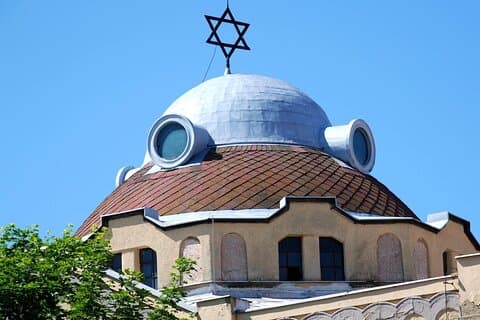 Viator
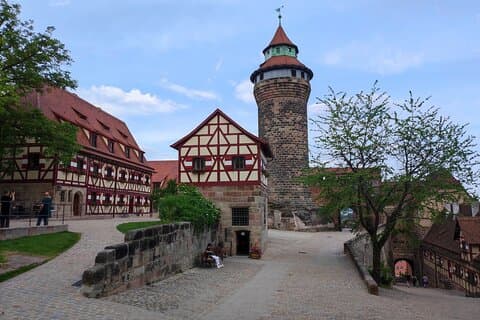 Viator
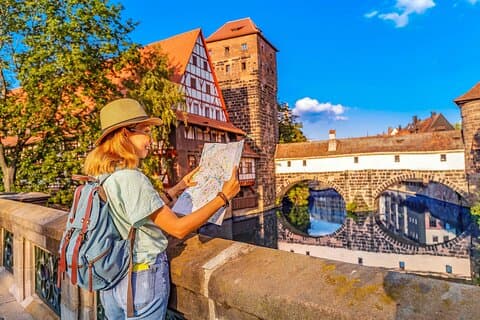 Viator
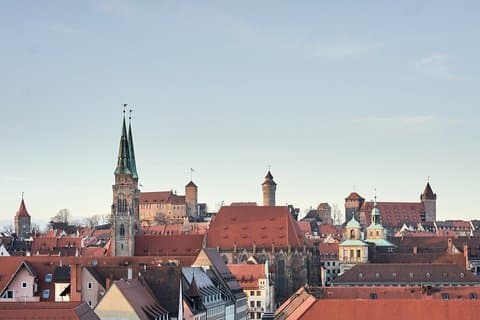 Viator
 Viator
 Viator
 Viator
 Viator
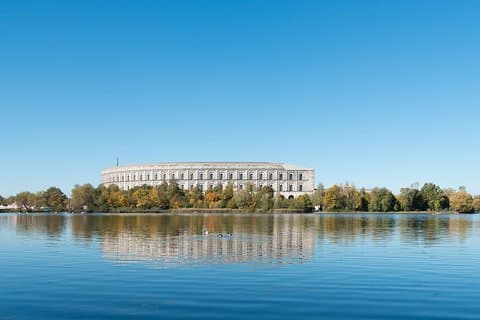
For centuries, Nuremberg was the secret capital of the Holy German Roman Empire, here the well-known Diets of Nuremberg were held, assemblies where the emperor of the Holy Empire met with the prince electors. For this crucial importance was chosen as a propaganda center during the Third Reich. Hitler considered Nuremberg the heir of the Germanic traditions, the capital of the congresses, wanting to keep alive the memory and the legacy of the powerful Germanic Empire of the Middle Ages in the Nazi structure.
Such was its significance that here resided one of the greatest representatives of anti-Semitism of the regime, Julius Streicher, the owner and promoter of the weekly Der Stürmer. The city acquired the title of German city par excellence, being presented as the most loyal locality to the regime of all.
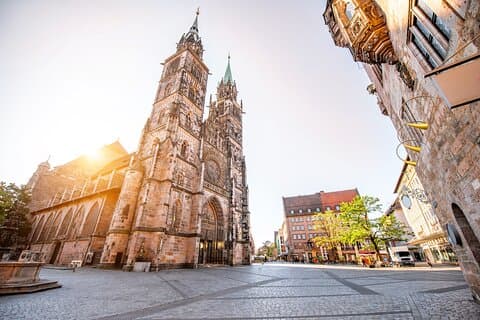
Hauptmarkt 14, Nuremberg, Germany
Pogrom of 1349: Jewish quarter and its relationship with the city
Winklerstrasse 26, Nuremberg, Germany
Antisemitism from the Middle Ages to National Socialism
Rathausplatz 2, Nuremberg, Germany
History of Hitler and its link with the city of Nuremberg
Leo-Katzenberger-Weg, Nuremberg, Germany
Main Synagogue of Nuremberg: its destruction and the Night of the Broken Crystals
Peter Vischer Strasse, Nuremberg, Germany
Ruins of the Church of Santa Catalina: battle and liberation of Nuremberg. The reconstruction of the city
erg Concentration Camp
Kartaeusergasse, Nuremberg, Germany
Street of the Rights of Man: the rebirth of the ashes of the city of Nuremberg
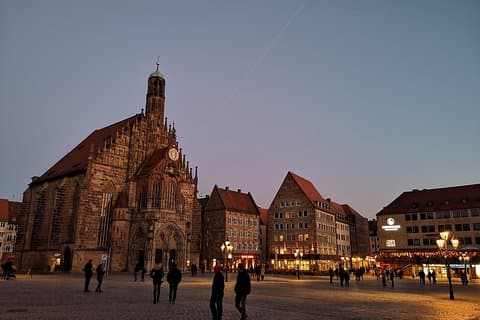
In front of the Frauenkirche in Hauptmarkt, Nuremberg. You can place the guide with red and white umbrellas
For a full refund, cancel at least 24 hours before the scheduled departure time.