LondonWinterUnited KingdomSeasonalChristmas
London in Winter: What It's Really Like and How to Enjoy It
An honest guide to London in winter: how cold it gets, the festive season, the quieter big attractions, theatre and afternoon tea, and how to plan the days.
由SimilarTours Editorial撰写,Travel Research · · 22分钟阅读

Nobody books London in winter for the weather, and that is exactly why it works. From November to February the city trades its long evenings and park picnics for something else: streets strung with lights, theatre and pub season at full strength, museums you can lose a wet afternoon in for free, and the big-name attractions running with lines a fraction of their summer length. Winter in London is not the compromise season; it is a different city, and for a lot of travelers a better one.
This guide covers what the season actually feels like, how cold it gets, what the festive weeks change, and how to build days around the early darkness. Every tour and ticket referenced is currently bookable through our partner OTAs and ranked on real ratings and review counts, verified July 2026.
Browse all London tours and experiences →What winter in London actually feels like
First, the honest version. Winter in London England is grey more often than it is postcard-snowy: damp air, changeable skies, and rain that arrives without much notice. Snow happens occasionally and rarely stays. The cold is manageable rather than severe, but the wind and the damp make it feel sharper than the numbers suggest, and you will want a proper waterproof coat rather than a fashionable one.
The bigger adjustment is the light. Midwinter daylight runs roughly from around 8 in the morning to around 4 in the afternoon, which compresses outdoor sightseeing into a short window. The travelers who enjoy winter London most flip their days accordingly: landmarks and views before mid afternoon, then lean into the darkness with lights tours, illuminated markets, shows, and long warm dinners. Planned that way, the early sunset stops being a limitation and becomes the point.
How cold does London get in winter
Typical winter days sit in the low-to-mid single digits Celsius, roughly the high 30s to mid 40s Fahrenheit, with nights around freezing. That is layers-and-gloves cold, not expedition cold. The practical packing list is a warm waterproof coat, thin layers underneath, a hat and gloves, and shoes that shrug off wet pavement. Everywhere indoors is heated, so the winning outfit is one you can partly take off in a museum.
Month by month: how the winter actually unfolds
Winter in London is not one season but four distinct moods, and picking the right month matters more than picking the right hotel.
November
November is the transition month, and the smart traveler's secret inside it. The first half is plain late autumn: bare trees, thinning crowds, low-season feel at the big sights. Then, around the middle of the month, the switch flips: the lights go up on the shopping streets, the markets typically open, and the festive machine starts running at full atmosphere while the December crowds are still weeks away. Late November on a weekday is arguably the single best value window of the winter, festive London without festive congestion.
December
December is the show. The lights, the markets, the ice rinks, the theatre season, the whole city dressed and humming, and the early darkness working entirely in its favor. It is also the most crowded and expensive stretch of winter: weekends are dense, the week before the holiday is denser, and hotel rates track the demand. Go early in the month, favor weekdays, and book the evening experiences ahead, because December is when they sell out. The days between Christmas and New Year are their own micro-season, festive but strange, with altered schedules worth double-checking.
January
January is the deep exhale. The decorations come down, the crowds evaporate, and the city gets on with its life, which for a visitor is exactly the appeal. Flights and hotels are typically at their cheapest of the year, the January sales run the length of Oxford Street and Regent Street, and the big attractions hit their quietest weeks. It is the coldest, darkest stretch too, so this is the month for the indoor-heavy version of the trip: museums, theatre, long lunches, afternoon tea, and short sharp bursts of landmark in between.
February
February is January with slightly longer days and the first hints of the city waking up. Still low season, still good value, with school half-term in the middle of the month bringing a brief family-crowd bump at the kid-facing attractions. By late February the light stretches noticeably and the parks start to show the first color at their edges. If you want winter prices with a little more daylight to spend, the back half of February is the quiet pick.
The festive season: lights, markets, and the run-up to Christmas
From late November through December, London puts on the most atmospheric stretch of its year. The West End shopping streets run their famous light displays, Christmas markets typically appear from mid November to early January, ice rinks pop up beside landmarks, and the whole center feels dressed for the season the moment the sun drops, which conveniently is mid afternoon.
The easiest way to see the lights without freezing on a pavement is a dedicated evening tour, by open-top or vintage bus, on foot, or with the festive version of the London Eye thrown in. Our separate guide to the Christmas markets in London covers the market-by-market detail; the short version is that pairing one big market with a lights loop makes the perfect winter evening.
Top London Christmas lights and festive experiences

London by Night Bus Tour with Christmas Lights and Live Guide
The most-reviewed lights tour in the catalog - an open-top night bus loop of the illuminated West End with a live guide, and the classic way to do the displays warm and seated.
4.5(2,029)1.5 hoursViewFrom$41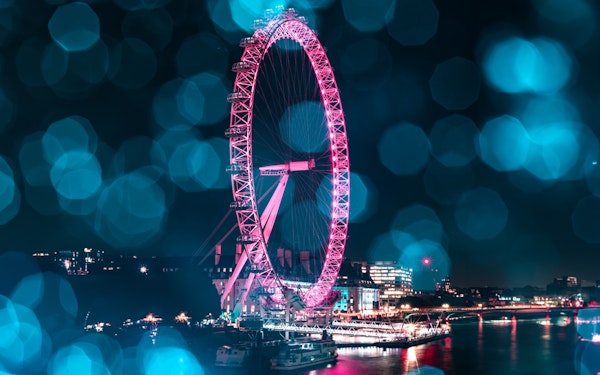
Christmas at the London Eye
The festive-season version of the giant wheel - one slow rotation over the lit-up winter skyline, backed by one of the biggest review volumes of any London ticket.
4.5(16,864)30 minutesViewFrom$35
London Christmas Lights Guided Tour With Christmas Music
A guided lights tour set to Christmas music with a near-perfect score - the pick if you want the festive mood turned all the way up.
4.9(118)1.8 hoursViewFrom$52
London Christmas Lights Tour by Vintage Double-Decker Bus
The lights loop aboard a vintage double-decker - a slower, more characterful ride through the West End displays.
4.0(135)2.2 hoursViewFrom$43
London Christmas Lights Guided Tour by Cab
5.0(64)3 hoursViewFrom$402
London Christmas Lights Private Guided Taxi Tour
5.0(25)3 hoursViewFrom$416
London Christmas Lights Private Walking Tour
5.0(13)2 hours - 3 hoursViewFrom$245
London Bespoke Black Cab Christmas Lights & Sights Private Tour
5.0(15)4 hoursViewFrom$648
Christmas Lights and Markets London Taxi Tour
5.0(21)3 hoursViewFrom$477
London Boogie Shoes Silent Disco Christmas Tour
5.0(6)1 hourViewFrom$61
Insider tip
Time the festive season deliberately. The lights and markets typically run from mid November to early January, but the crowd curve inside that window is steep: weekday evenings in late November and early December are calm, while December weekends and the days right before the holiday are the year's busiest. Same lights, same markets, very different experience. If you can choose, choose a weekday.
The big attractions, minus the summer lines
Here is winter's quiet superpower: the headline sights run all year, and outside the festive peak they run noticeably calmer. A Tower of London morning in January, with the ravens on the lawn and mist on the river, is a different experience from the same visit in August, and the Crown Jewels line moves at a pace summer visitors would not believe. Indoor-heavy attractions are the natural winter picks, and the viewpoints work double shifts, since the early sunset means you can catch daylight, dusk, and the lit-up skyline in a single late-afternoon slot.
Top London attractions that shine in winter

Tower of London and Crown Jewels Exhibition Day Ticket
The most-reviewed way into the Tower - a flexible day ticket for the fortress and the Crown Jewels, at its calmest on winter weekdays.
4.4(7,236)24 hoursViewFrom$50- tiqets
The View from The Shard: Entry Ticket
London's highest indoor viewpoint - in winter the early sunset lets one visit cover daylight, dusk, and the city lit up, all from behind glass.
4.7(2,602)ViewFrom$32 
VIP Beefeaters Meet & Greet with Tower of London Guided Tour
A guided Tower visit with a Beefeater meet and greet - strongly rated, and the storytelling lands even better when the fortress is quiet.
4.8(357)2 hoursViewFrom$56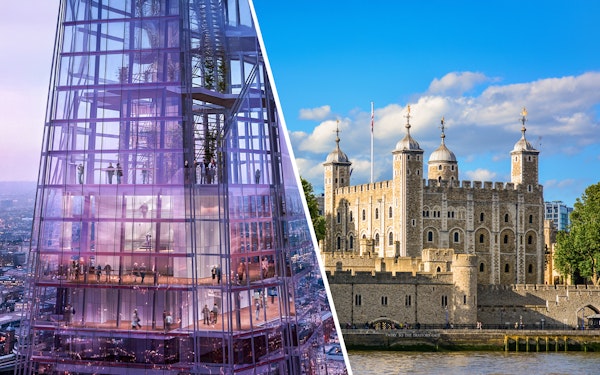
Combo: The View from The Shard + Tower of London Tickets
The Shard and the Tower on one combo ticket - a high-volume pairing that covers winter's best indoor viewpoint and its most atmospheric fortress.
4.5(20,044)ViewFrom$67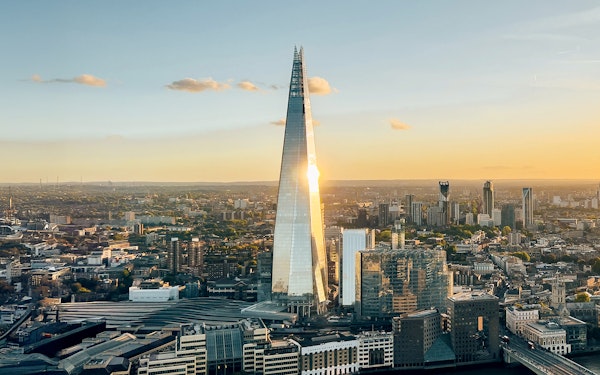
The View from The Shard Tickets
4.6(2,602)ViewFrom$33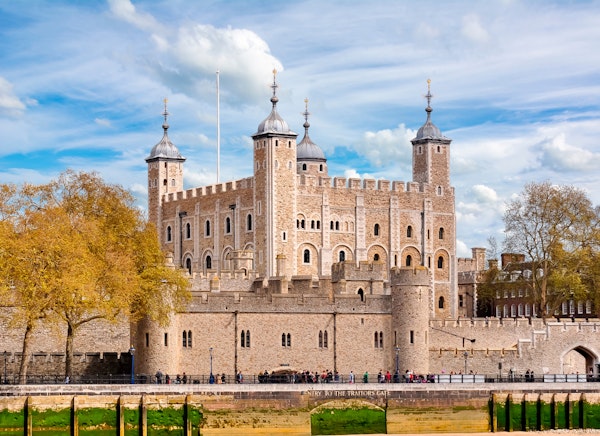
Tower of London Tickets with Access to the Crown Jewels
4.5(19,312)1 hr 15 minViewFrom$50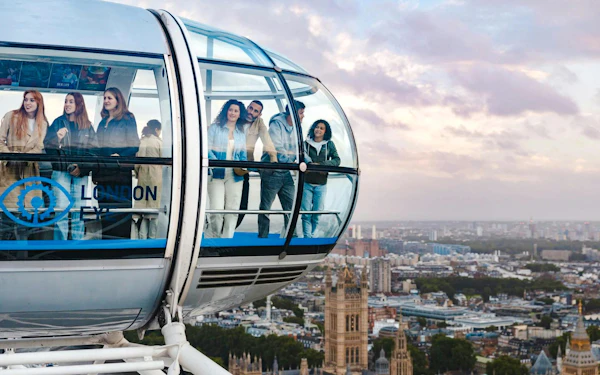
London Eye Entry Tickets
4.6(18,810)30 minutesViewFrom$39
Admission Ticket to Ice and Snow World
1 hour - 5 hoursViewFrom$75
VIP Entrance Ticket to Harbin Ice and Snow World Private Day Tour
8 hoursViewFrom$900
South Bank (London Bridge) Walking Tour & Enter The Tower of London
5.0(8)3 hoursViewFrom$134
Evenings: the West End is the winter headliner
With darkness landing before 5, London's evenings carry more of the trip in winter, and no city on earth is better equipped for that. The West End theatre district runs its full calendar through the season, from long-running musicals to new productions, and a show solves the coldest, wettest night of the trip in one booking. Around the theatres, the pubs are at their seasonal best, all warm rooms and fogged windows, and the after-dark walking tours, ghost walks especially, gain a lot from a cold night in the old streets.
Top West End shows and winter evenings in London

London Theatre: Wicked the Musical
The long-running West End blockbuster - the most-reviewed of the show tickets in our catalog and a dependable answer to any cold evening.
4.4(319)2.8 hoursViewFrom$35
Wicked Westminster: The Original London Ghost walk
A night-time ghost walk through Westminster with over three thousand reviews - winter darkness is exactly the right staging for it.
4.6(3,301)2.5 hoursViewFrom$27
London Theatre: Stranger Things: The First Shadow
The big-production stage spectacle - a newer West End draw and a strong pick for teenagers and anyone who wants effects with their theatre.
4.2(173)3 hoursViewFrom$50
London Theatre: The Mousetrap
The classic whodunit in its long West End residence - the traditional choice, and a very London way to spend a winter night.
4.3(77)2.3 hoursViewFrom$34
Salou: West End and Broadway Musical Show
4.4(64)3 hoursViewFrom$50
Hï Ibiza on Tuesdays: Eastenderz Tickets
4.5(46)6 hr 30 minViewFrom$35
Madame Tussauds London Tickets
4.7(5,978)ViewFrom$37
Show Tickets for Viva Anthems! Party Night!
4.5(394)3 hoursViewFrom$34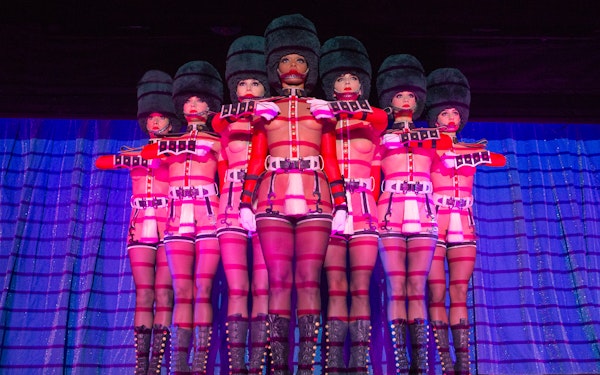
Crazy Horse Show Tickets
4.5(2,444)2 hoursViewFrom$141
Shanghai Era Acrobatics Show Ticket
5.0(2)1 hourViewFrom$55
The big indoor day out: the Harry Potter Studio Tour
Winter is quietly the best season for the Warner Bros. Studio Tour. The whole experience is indoors, it swallows most of a day, which is a feature when the day is cold and short, and in the festive stretch the sets get their own seasonal dressing, which fans treat as a pilgrimage-grade upgrade. It sits outside the city, so the packages with return transport from central London remove the one weather-exposed part of the plan. Book it earlier than anything else on a winter trip; it sells dated tickets only, and the festive-season dates are the year's most contested.
Top Harry Potter Studio Tour tickets for a winter day

Harry Potter Warner Bros. Studio Tour with Transport from London
The most-reviewed Studio Tour package - dated entry with return coach transport from central London, which in winter means door-to-door warmth.
4.5(4,041)7 hoursViewFrom$132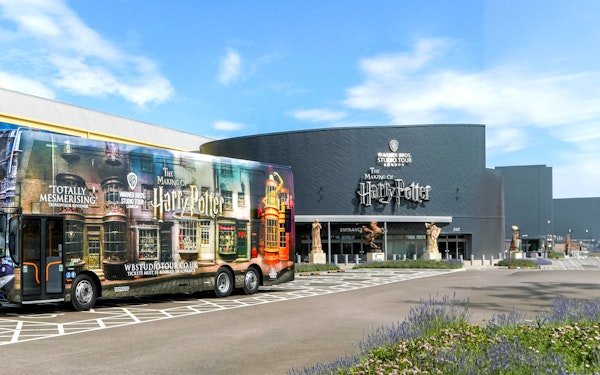
Harry Potter™ Warner Bros. Studio Tickets
The highest-volume Studio ticket in the catalog - entry to the sets, costumes, and props for travelers sorting their own transport.
4.5(12,746)6 hoursViewFrom$87
Warner Bros. Studio Harry Potter Tour with Superior Transport from London
The high-volume alternative package with upgraded coach transport - a straightforward way to lock in a contested winter date.
4.2(2,111)7 hoursViewFrom$116From London: Harry Potter™ Warner Bros. Studio Tour with Return Transport
4.5(8,420)6 hoursViewFrom$93
Private Transfer: Central London to Harry Potter Warner Bros Studio in Leavesden
5.0(7)1 minute - 45 minutesViewFrom$198
Magical Harry Potter Walking Tour (Private Group)
5.0(17)2 hoursViewFrom$341
Magical Movies of London Harry Potter Tour
5.0(27)2 hoursViewFrom$22
Harry Potter Warner Bros Studio Transfer Only - Pickup Return
5.0(13)3 hours - 4 hoursViewFrom$372
Private Transfers between London & Harry Potter Warner Studio
5.0(9)1 hourViewFrom$205
Festive food and winter comfort eating
London's winter has its own edible calendar, and leaning into it costs little. Mulled wine and hot chocolate are the standard-issue market drinks, mince pies, the small spiced fruit tarts, appear everywhere from bakeries to pub counters through December, and roasted chestnuts still get sold from carts near the big markets on cold evenings. The pubs shift into their best season, open fires where they have them, and the Sunday roast, a plate of roast meat, potatoes, and Yorkshire pudding that takes half an afternoon to do properly, becomes less a meal than a winter activity in its own right.
The food markets stay open and get better as the crowds thin: Borough Market on a cold weekday morning, coffee in hand and steam coming off every stall, is one of the great free winter experiences in the city. And the afternoon tea covered above deserves its second mention here, because in winter it stops being a novelty and starts being infrastructure: a warm, long, sugar-loaded pause exactly where the short day sags.
Three ready-made winter day plans
The festive evening (late November to early January). Daylight hours at one big sight, the Tower or a museum, then a market from late afternoon as the lights come on, mulled wine in hand, and a lights tour or a show for the evening. This is the day to schedule on a weekday if you possibly can.
The full wet-day plan (any winter week). Natural History Museum or British Museum for the morning, long pub or afternoon-tea lunch, the View from the Shard in the last daylight slot so you get dusk and the lit-up city in one visit, then a West End show. Total outdoor exposure: four street crossings.
The quiet-season classic (January to February). Tower of London at opening with the fortress near-empty, riverside walk to Borough Market for lunch while the light lasts, National Gallery or Westminster Abbey in the afternoon, early dinner, ghost walk after dark. This is the day that convinces people winter is the connoisseur's London.
Warm rituals: afternoon tea and the free museums
Two institutions carry winter afternoons in London. The first is afternoon tea, which stops being a tourist checkbox and becomes genuinely functional in January: a long, warm, indulgent sit between the daylight sights and the evening plan. It comes in every format from grand hotel rooms to a vintage bus that serves tea while looping the landmarks, which in winter doubles as sightseeing with heating.
The second is the museum bench. London's biggest museums are generally free to enter, and in winter that free-entry model changes how you use them: an hour in the British Museum or the National Gallery to warm up between outdoor stretches costs nothing, and a full wet day in the Natural History Museum is one of the best zero-budget days in Europe. Guided museum tours are worth considering in this season precisely because you have the time to go deeper.
Top afternoon tea and museum experiences for winter days

London #1 Afternoon Tea Bus Tour - 1960s Routemaster Bus
Afternoon tea served aboard a 1960s Routemaster while it loops the landmarks - over two thousand reviews, and in winter it is sightseeing with central heating.
4.4(2,094)1.4 hoursViewFrom$86
British Museum London Guided Tour Semi-Private 8ppl Max
A semi-private British Museum tour capped at eight people - near-perfect ratings, and the slow-season calm makes it even better value in winter.
5.0(1,075)2.5 hoursViewFrom$111
Afternoon Tea River Cruise on the Thames
Afternoon tea on a Thames cruise - the riverside landmarks from a warm cabin, with nearly a thousand reviews behind it.
4.2(990)1.5 hoursViewFrom$68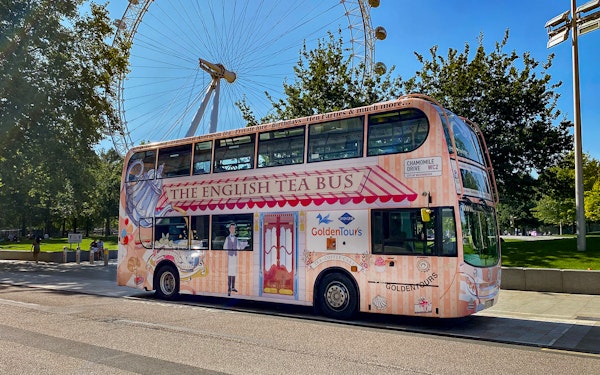
Golden Tours: Central London Afternoon Tea Bus Tour
The bus-borne afternoon tea in its Golden Tours version - a central London loop with the tea service on board, and a solid alternative if the Routemaster dates are gone.
4.4(101)1.5 hoursViewFrom$56
Royal English Walking Food Tour With London Food Tours
5.0(24)3 hr 30 minViewFrom$271
Afternoon Tea Tour in Beverley
5.0(15)3 hoursViewFrom$62
London: Afternoon Tea Experience at The Clipper Lounge
5.0(6)1 hourViewFrom$61
Oceanside Private Afternoon Tea Tours
3 hoursViewFrom$88
Afternoon Tea Experience at London Bridge Resort
5.0(2)1 hourViewFrom$30
Afternoon Tea and Painting Experience
5.0(5)3 hoursViewFrom$67
January and February: the quiet-season case
Once the decorations come down, winter London shifts into its most underrated stretch. January and February are the classic low season: flights and hotels generally run cheaper than any other time of year, the January sales give Oxford Street and Regent Street a second act after the lights come down, and the big attractions hit their calmest weeks. This is the window for the trips that hate crowds, the museum-heavy visit, the theatre binge, the photography trip that wants the landmarks empty at the edges of the short days. You give up the festive glow and the park weather; you get the city with room to breathe, at a discount.
Practical tips
Flip your day around the light. Outdoor landmarks late morning to mid afternoon, indoor or illuminated everything after. Dusk around 4 is a feature once the evenings are planned.
Book the evening anchors, not the daytime ones. In winter it is the shows, the lights tours, and the festive experiences that sell out, while daytime attractions usually have space outside the holiday weeks.
Dress for wet, not for arctic. A waterproof warm coat, layers, and grippy waterproof shoes beat one giant parka, because you will be moving between cold streets and heated interiors all day.
Use the free museums as warming stations. Free entry means you can duck in for an hour without guilt, and it turns the coldest days into the most cultured ones.
Mind the holiday closures. The days around Christmas and New Year are the one stretch where transport and attraction schedules genuinely change, so check current hours before building plans on those dates.
Quick recap: London in winter
November to December: lights, markets, festive tours, and the buzziest atmosphere of the year, busiest on weekends. January to February: the cheapest, calmest London, with sales, empty-feeling museums, and short lines at the big sights. Any winter week: daylight sights before 4, then theatre, afternoon tea, ghost walks, and lit-up viewpoints after dark. Pack waterproof layers, book the evenings, and let the early darkness do the decorating.
Plan your trip
See all London tours and experiences →Is London worth visiting in winter?
Yes, provided you plan for the season rather than against it. Winter London trades long days and park weather for festive lights, world-class indoor attractions, noticeably thinner lines at the big sights outside the holiday peak, and generally lower prices on flights and hotels in January and February. If your trip leans on museums, theatre, food, and the headline ticketed attractions, winter is arguably the smartest-value season of the year to do it.
How cold does London get in winter?
Cold but rarely brutal. Winter days typically sit in the low-to-mid single digits Celsius, roughly the high 30s to mid 40s Fahrenheit, with nights around or a little above freezing. Snow does happen but is occasional and usually light; the more constant companions are damp air, wind, and rain, which make it feel colder than the thermometer says. A warm waterproof coat, layers, and shoes that can handle wet pavement matter more than extreme-cold gear.
What are the best things to do in London in winter?
Lean into what the season does well: the festive lights and markets from late November through December, ice rinks and seasonal pop-ups, the West End's theatre calendar, afternoon tea as a warm ritual rather than a tourist box-tick, and the enormous free museums. The headline attractions like the Tower of London still run year round and are calmer than in summer, especially on weekdays in January and February.
How short are the days in London in winter?
Short enough to plan around. In midwinter, daylight runs roughly from around 8 in the morning to around 4 in the afternoon, so outdoor sightseeing needs to happen in a compact window. The practical answer is to flip the usual itinerary: outdoor landmarks and views in the late morning and early afternoon, then let the early darkness work for you with lights tours, illuminated markets, theatre, and long dinners. In winter London, 5 p.m. darkness is an asset if you plan for it.
Is December a good time to visit London?
December is the most atmospheric month, with the lights, markets, and general festive mood at full strength, but it is also the busiest and priciest stretch of winter, especially weekends and the days around the holiday itself. If you want the festive season with fewer people, aim for late November or the first half of December on weekdays. If you want winter London at its cheapest and calmest, January and February are the months, at the cost of the decorations.
Are London attractions open in winter?
The major attractions generally run year round, including the Tower of London, the London Eye, the big museums, and the West End theatres, with adjusted hours around the holidays themselves and occasional maintenance closures in the low season. The main planning note is the early darkness: viewpoints and river cruises are best used in the shorter daylight window or deliberately after dark for the lit-up skyline. Always check current hours for the specific days around Christmas and New Year.
What should I pack for London in winter?
A warm coat that is genuinely waterproof, layers underneath rather than one heavy jumper, a hat and gloves, and waterproof shoes with grip; London winter is more wet-and-windy than deep-frozen. An umbrella helps but wind makes a hooded coat more reliable. Indoors is well heated everywhere, so layers you can shed in museums, theatres, and pubs beat maximum insulation. There is no need for serious snow gear.
Is the Harry Potter Studio Tour worth doing in winter?
Winter is arguably the best season for it. The entire experience is indoors, it fills most of a short cold day, and during the festive stretch the sets receive seasonal dressing that fans rate as the best version of the visit. Packages with return transport from central London keep the whole day warm door to door. The caveat is demand: it sells dated tickets only, and festive-season dates are among the most contested of the year, so book it before anything else on a winter trip.
What festive food should I try in London in winter?
The winter staples are mulled wine and hot chocolate at the markets, mince pies from more or less every bakery and pub counter through December, and roasted chestnuts from carts on cold evenings near the big markets. Beyond the festive window, the season's real institution is the Sunday roast in a pub, ideally one with a fire, and a full afternoon tea, which in winter works as a warm mid-afternoon anchor rather than a tourist novelty. Borough Market on a cold weekday morning is the best free food experience of the season.
Is London cheaper in winter?
Generally yes, outside the festive peak. January and February are the classic low season, when flights and hotel rates tend to drop and the January sales give the shopping streets an extra draw, while December runs closer to peak pricing because of the holidays. Tours and attractions themselves rarely change price by season, but the money you save on the trip's fixed costs in deep winter is real, and the thinner crowds are a bonus you cannot buy in July.
Keep reading
更多阅读
更多指南帮助您规划旅行

1 Day in London: A Realistic Itinerary That Does Not Waste the Day
One day in London, planned around what actually fits - a walkable route through the centre, the two things worth booking, and the traps that eat an hour each.

The Best Museums in London: Which of Them Deserve Your Day
London has more world-class museums than any trip can absorb, and most of them are free. A guide to which ones suit which visitor, and how many you can realistically do.

伦敦夏季:2026年需要预订、可以跳过和穿着建议
伦敦夏季实用指南 - 季节实际运作方式、哪些体验值得提前预订、以及如何应对每小时都在变化的天气。

Buckingham Palace Tickets in 2026: Types, Tours and How to Skip the Line
A 2026 guide to Buckingham Palace tickets - State Rooms timed entry, skip-the-line, Changing of the Guard tours and royal combos compared.

Westminster Abbey Tickets in 2026: Types, Tours and How to Skip the Line
A 2026 guide to Westminster Abbey tickets - timed entry with audio guide, skip-the-line, verger-led tours and London combos compared.

5 Days in London: The Full Itinerary, Day by Day
A 5-day London itinerary: the Tower and Westminster, Greenwich by riverboat, a Stonehenge or Windsor day trip, plus markets and real neighborhood time.

Best Walking Tours in London: Beatles, Ripper, Royals and More
The best walking tours in London by theme: classic highlights, royal Westminster, Beatles and Abbey Road, Jack the Ripper, Harry Potter, and food walks.

London with Kids: The Family Guide That Actually Works
A practical guide to London with kids: the family attractions worth booking, where to stay, the parks that save the afternoon, and a real rainy-day plan.