LondonFamily travelUnited KingdomKidsHarry Potter
London with Kids: The Family Guide That Actually Works
A practical guide to London with kids: the family attractions worth booking, where to stay, the parks that save the afternoon, and a real rainy-day plan.
Av SimilarTours Editorial · Travel Research · · 23 min läsning

Doing London with kids is a different sport from doing London as a couple. The city rewards families generously, with castles, a giant observation wheel, dinosaur skeletons, and the actual Harry Potter sets, but it punishes over-planning. Distances are longer than they look, the Tube with a buggy is a workout, and a brilliant morning can turn into a meltdown afternoon if there is no park in the plan. This guide covers the things to do in London with kids that consistently earn their place, plus where to stay, how to pace the days, and what to do when it rains, which at some point it will.
Every tour and ticket referenced here is currently bookable through our partner OTAs and ranked on real ratings and review counts, verified July 2026.
Browse all London family tours and experiences →Before you go: the family logistics
Pace beats coverage. The single best decision you can make is one anchor attraction per day, booked ahead, with the rest of the day left loose. Kids do not remember how many sights you covered; they remember the day the plan had room for an ice cream and a playground.
Getting around. Tap in and out of the Tube and buses with a contactless card or phone; fares cap automatically each day. With a buggy, buses often beat the Tube, since they are step-free and the front seats on the top deck are free sightseeing. The riverboats are the family secret weapon: they connect the London Eye, the Tower, and Greenwich, and to a child a boat is an attraction, not transport.
Booking. London's big family attractions run on timed tickets. The Harry Potter Studio Tour sells dated tickets only and popular dates go early, so book it first and build the trip around it. The Tower of London and the London Eye are next; a pre-booked slot means the difference between walking in and standing in a line with a bored six-year-old.
Weather. Assume at least one wet stretch whatever the season. London's answer is that several of its best indoor attractions are free, so a rainy day costs you nothing but a change of plan. The full rainy-day playbook is at the bottom of this guide.
London by age: what actually works for each stage
The same city plays very differently at three, eight, and fourteen, and a lot of family-trip disappointment comes from booking the wrong London for the ages you are traveling with. A rough field guide, from watching what holds up in practice.
Toddlers and under-fives. Keep the radius tiny and make the transport the fun. The winning London at this age is buses, boats, parks, and short bursts: the top deck of a red bus, the London Eye's enclosed capsule, the pirate-ship playground in Kensington Gardens, the pelicans in St James's Park, and the dinosaur hall at the Natural History Museum in twenty-minute doses. Skip anything with long lines or long commentary. One pre-booked thing per day is plenty, and the afternoon nap is not the enemy of the itinerary; it is the itinerary.
Ages five to eight. This is the golden window for the Tower of London, which reads as a real castle with real guards, and for the hands-on floors of the Science Museum. The Changing of the Guard works if you arrive with a guide who knows where small people can actually see. Harry Potter starts to land at the top of this band once they have seen the films. Build in a playground stop every day, quit each attraction one exhibit before anyone is ready to, and the whole trip stays cheerful.
Ages nine to twelve. Now the city opens up. The Studio Tour hits its peak audience, the Tower's darker stories become a feature rather than a risk, and a themed walking tour, Potter locations or ghosts, holds attention for a full two hours. Kids this age also start to enjoy the city itself: the markets, the South Bank street performers, and the satisfaction of navigating the Tube map better than their parents.
Teenagers. Treat them as co-planners, not cargo. Give each teenager one day they own end to end, and suddenly Camden's markets, a West End show, the climb over the O2 dome, or the speedboat on the Thames become their trip rather than yours. Street food beats sit-down restaurants, and one genuinely big-ticket experience, chosen by them, buys goodwill across the whole week. There is a dedicated section for this age group further down.
The headline family attractions
Start with the attractions that work across the widest age range. The Tower of London reads as a real castle to kids, with armor, ravens, guards in costume, and the Crown Jewels behind thick glass, and the guided family versions turn the history into stories rather than dates. The London Eye is the other reliable crowd-pleaser: a slow half-hour rotation in an enclosed capsule, high over the river, with the whole city laid out like a map. Both sit on the Thames, so you can link them with a riverboat and make the journey part of the fun.
Top London family attractions to book ahead

Tower of London and Crown Jewels Exhibition Day Ticket
The most-reviewed way into the Tower by far - a flexible day ticket covering the fortress and the Crown Jewels, ideal for families who want to move at kid speed.
4.4(7,236)24 hoursViewFrom$50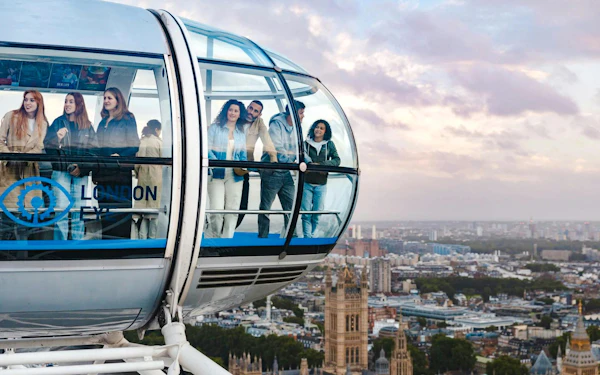
London Eye Admission Tickets
The straightforward ticket for the giant wheel - one slow 30-minute rotation in an enclosed capsule, and one of the highest-volume family picks in the catalog.
4.5(18,209)30 minutesViewFrom$35
London Eye Fast-Track Ticket
The fast-track version of the Eye - worth the small premium with kids, because the standard line is exactly the kind of wait that unravels an afternoon.
4.4(3,568)30 minutesViewFrom$34
Tower of London for kids & families Private Guided Tour with pre-booked Tickets
A private Tower tour built specifically around kids, with pre-booked tickets included - the splurge option, and one of the best-rated family experiences in London.
4.9(137)3 hoursViewFrom$372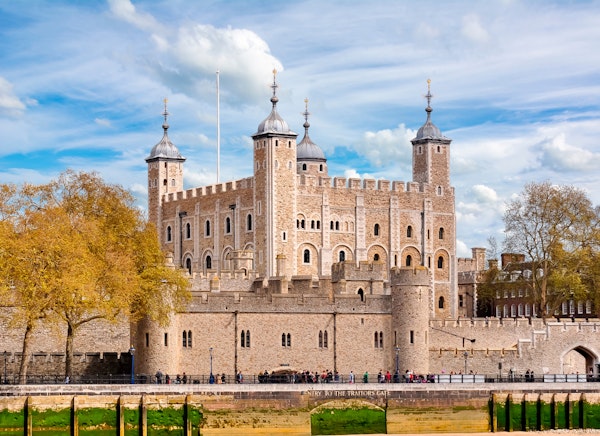
Tower of London Tickets with Access to the Crown Jewels
4.5(18,584)8 hr 30 minViewFrom$44
The London Eye Entry Ticket
4.1(3,714)30 minutesViewFrom$40
Skip-the-line London Westminster Abbey and City of Westminster Kid-Friendly Tour
5.0(8)2 hr 30 minViewFrom$328
South Bank (London Bridge) Walking Tour & Enter The Tower of London
5.0(8)3 hoursViewFrom$134
London Eye River Cruise and London Eye Ticket Option
4.5(1,479)45 minutesViewFrom$67
London Private Family Tour Museum Visit for Kids and Games
5.0(4)4 hoursViewFrom$134
Insider tip
Book the Studio Tour before anything else. The Harry Potter Warner Bros. Studio Tour is the one London family attraction that regularly sells out weeks ahead on school holidays and weekends. Lock in your date first, then arrange the rest of the trip around it. Everything else in this guide has same-week availability most of the year; the Studio Tour does not.
Harry Potter: the Studio Tour and Potter London
For a generation of kids, this is the reason London is on the list. The Warner Bros. Studio Tour sits outside the city and holds the real sets, costumes, and props from the films; with travel, it is a half-day to full-day commitment, and for fans it is routinely the highlight of the entire trip. Packages with return transport from central London remove the one genuinely annoying part, which is working out the trains with tired children.
Back in the city, Potter-themed walking tours cover the filming locations and the spots that inspired the books, and they are a fraction of the price. They work best for kids old enough to walk a couple of hours and young enough to still argue about their Hogwarts house.
Top Harry Potter Studio Tour tickets and Potter walks

Harry Potter Warner Bros. Studio Tour with Transport from London
The most-reviewed Studio Tour package - dated entry with return coach transport from central London, which is the format most families end up wanting.
4.5(4,041)7 hoursViewFrom$132
Harry Potter™ Warner Bros. Studio Tickets
The highest-volume Studio ticket in the catalog - entry to the sets, costumes, and props, for families sorting their own transport out to the studios.
4.5(12,746)6 hoursViewFrom$87
Original Harry Potter Locations Tour - Guided Tour of London
A guided walk of the London filming locations with over four thousand reviews and a near-perfect score - the budget-friendly Potter fix inside the city itself.
4.9(4,194)2 hoursViewFrom$24
London The Best of Harry Potter Guided Tour (Free for Kids)
A Potter walking tour where kids join free - strongly rated, three hours through the film spots, and the obvious value pick for larger families.
4.8(872)3 hoursViewFrom$12
Harry Potter Warner Bros Studio Transfer Only - Pickup Return
5.0(13)3 hours - 4 hoursViewFrom$372
Private Transfer: Central London to Harry Potter Warner Bros Studio in Leavesden
5.0(7)1 minute - 45 minutesViewFrom$198
Private Transfers between London & Harry Potter Warner Studio
5.0(9)1 hourViewFrom$205From London: Harry Potter™ Warner Bros. Studio Tour with Return Transport
4.6(13,048)7 hoursViewFrom$114
Magical Movies of London Harry Potter Tour
5.0(27)2 hoursViewFrom$22
Harry Potter Warner Bros. Studio Tour London with Transport
4.2(1,660)8 hoursViewFrom$131
Where to stay in London with kids
Choosing where to stay in London with kids matters more than in most cities, because London is big enough that a badly placed hotel adds an hour of transit to every single day. Three areas earn their keep for families.
South Kensington is the classic family base. The Natural History Museum and the Science Museum, the two best kids' museums in the city and both generally free, are on the doorstep, Hyde Park is a short walk, and the area is calm in the evenings when you are pushing a sleeping child home.
Bloomsbury suits families with slightly older kids: quiet Georgian streets, garden squares for a run-around, the British Museum a few minutes away, and good rail links in every direction. It tends to offer better value than the postcard-central areas.
The South Bank is the pick if you want to be inside the sights rather than near them. The London Eye, the aquarium, and the riverside walk are outside the door, the walking is flat and buggy-friendly, and the river piers connect you to the Tower and Greenwich without touching the Tube.
Whichever area you choose, the practical rule is the same: a short, step-free walk to a station beats charm. With kids, every transfer is where the day goes wrong.
Getting around as the fun part
London is one of the few cities where transport can carry a chunk of the entertainment budget. The classic red double-deckers are free theatre from the top deck, and a hop-on-hop-off pass turns a day of moving between sights into the sight itself. There is even a kid-specific bus tour with commentary written for children rather than adults, and the riverboat between the big landmarks reliably outranks whatever attraction it was taking you to.
Family-friendly ways to get around and see London

London Tootbus Kids Tour with Bespoke Live Guided Commentary
A sightseeing bus loop with live commentary written for children - short at 45 minutes, which with young kids is a feature, not a flaw.
4.4(160)45 minutesViewFrom$33
London Eye River Cruise
A 40-minute circular cruise from the London Eye pier - one of the best-rated short river rides, and the easy add-on after the wheel.
4.8(1,751)40 minutesViewFrom$21
Gray Line London Hop-On Hop-Off Bus Tour with Optional Cruise
A full-day hop-on-hop-off pass with an optional cruise - the best-rated of the big bus loops, and a practical way to string the family sights together.
4.1(2,172)24 hoursViewFrom$34
Changing of the Guard Guided Walking Tour in London
A guided walk timed to the Changing of the Guard, with a guide who knows where kids can actually see - far better than guessing a spot in the crowd.
4.9(1,866)2 hoursViewFrom$27
London Highlights Family-Friendly Walking Tour with Top Guide
5.0(14)3 hoursViewFrom$264
London Big Bus Hop-On Hop-Off Tour with Optional River Cruise
3.7(11,238)1 hr 10 min - 3 hr 35 minViewFrom$44
Hidden Tudors Tours: Mysterious Black Tudor London Walks
5.0(7)1 hr 15 minViewFrom$27
Official Tower of London River Tour Sightseeing River Cruise
4.8(200)40 minutesViewFrom$25London Private Family Tour Museum Visit for Kids and Games
5.0(4)4 hoursViewFrom$134
London In One Day Tour with River Cruise & London Eye Option
4.3(1,872)9 hoursViewFrom$186
Parks and downtime: the part that saves the trip
Every good family day in London has a park in it, and the city makes that easy. Hyde Park and Kensington Gardens run together into one enormous green space with playgrounds, open lawns, and boats on the Serpentine lake; the famous pirate-ship playground on the Kensington side is worth building an afternoon around with younger kids. St James's Park is smaller and sits right between Buckingham Palace and Westminster, which makes it the natural decompression stop after a morning of sights, with pelicans by the lake as a bonus. Regent's Park adds playgrounds and open lawns of its own, with the short climb up Primrose Hill next door rewarding small legs with one of the best skyline views in the city.
Treat the parks as load-bearing, not optional. The families who have the best time in London schedule the downtime with the same seriousness as the tickets: morning anchor attraction, long lunch, park until everyone resets, then one easy thing in the evening. The ones who struggle are almost always trying to convert a two-adult itinerary into a family one by walking faster.
Big days out for older kids and teenagers
Once the youngest traveler is past about ten, London adds a second tier of experiences that trade castles and playgrounds for altitude and adrenaline. The walk over the roof of the O2 dome is the standout: a harnessed climb up and over the arena's tent-like roof with the whole east London skyline as the reward, and exactly the kind of thing a teenager will actually tell their friends about. The cable car across the Thames nearby makes a good pairing, Thorpe Park handles the full theme-park itch as a day trip, and a family bike tour turns sightseeing into something with handlebars, which for a certain kind of twelve-year-old changes everything.
Top London experiences for older kids and teens
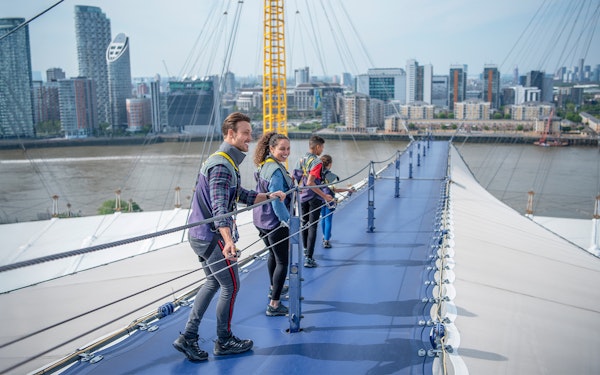
Up at The O2 Climb
The harnessed walk up and over the O2 arena's roof - big skyline views, a real sense of achievement, and the most reliably teen-approved ticket in the city.
4.5(3,531)1.5 hoursViewFrom$44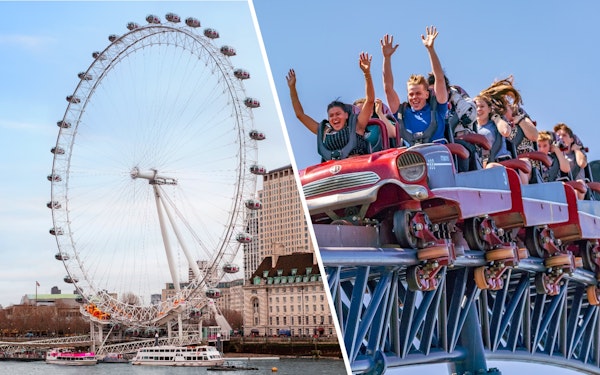
Combo: London Eye and Thorpe Park Entry Tickets
The Eye plus a full theme-park day at Thorpe Park on one combo - a high-volume pairing for families with coaster-hungry teenagers.
4.6(10,719)ViewFrom$76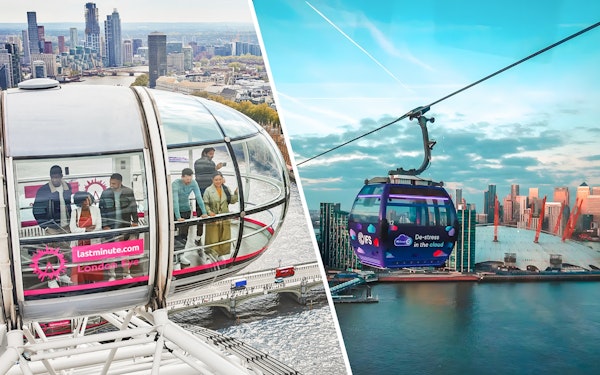
Combo: London Eye + IFS Cloud Cable Car Tickets
Two aerial views of London in one ticket - the wheel in the center and the cable car across the Thames in the east, both wins with kids who like heights.
4.6(10,696)ViewFrom$53
Private Family Bike Tour of London, fun for all ages!
A private family bike tour with a perfect score so far - sightseeing with handlebars, and the guide adapts the route to the youngest rider.
5.0(46)3.5 hoursViewFrom$289
North Devon: Indoor Climbing Taster Session
4.9(26)1 hourViewFrom$20
Up at The O2:Twilight Climb with Guided Tour with Panoramic Views
5.0(73)1 hr 30 minViewFrom$55
Rock Climbing & Abseiling in Snowdonia / on Anglesey
5.0(2)7 hoursViewFrom$136
Up at The O2: Daytime Climb with Guided Tour with Panoramic Views
4.9(3,099)1 hr 30 minViewFrom$51
Climbing in Mørkvedhallen Klatresenter
5.0(15)3 hoursViewFrom$33
Up at The O2: Sunset Climb with Guided Tour with Panoramic Views
4.9(157)1 hr 30 minViewFrom$58
Eating with kids in London
Feeding a family in London is easier and cheaper than the city's reputation suggests, as long as you stop trying to have three restaurant meals a day. The markets are the secret: Borough Market near London Bridge is a grazing lunch where everyone chooses their own stall, which neatly ends the what-do-you-want negotiation, and most neighborhoods have a smaller version. Supermarket meal deals, a sandwich, snack, and drink for a fixed price, are the standard local lunch and work brilliantly for park picnics. Pubs are family-friendly at lunchtime far more often than visitors expect, and a Sunday roast in one is a genuinely London experience kids tend to like more than anyone predicts.
Two structural tips. First, eat early: restaurants at 5:30 are calm, cheap-menued, and tolerant, while the same rooms at 8 are none of those things. Second, always know where the nearest bakery chain is; an emergency pastry has rescued more London afternoons than any museum. For a treat with built-in entertainment, the afternoon tea buses that loop the landmarks while serving cakes are pitched almost perfectly at children, and there is a Paddington Bear themed version that younger kids treat as the trip's highlight.
Three sample family day plans
The classic first day. Tower of London at opening, Crown Jewels first, then out along the river and across Tower Bridge by late morning. Picnic lunch by the water, then the riverboat upstream, which doubles as the afternoon rest, getting off at the London Eye for a pre-booked late-afternoon rotation. Early dinner on the South Bank and home before anyone melts down. This day front-loads the two biggest bookings and lets the boat absorb the tired middle hours.
The Potter day. Morning coach or train out to the Studio Tour, giving it three to four unhurried hours, back in the city by mid afternoon. Downtime at the hotel or a park until energy returns, then a short Potter locations walk in the evening if the fans are still hungry, or pizza and an early night if they are not. Do not plan anything ambitious after the Studio Tour; it empties children completely, in the best way.
The zero-budget rescue day. For the day after the expensive one, or the day it rains: Natural History Museum dinosaurs at opening, walk through to the Science Museum's hands-on floors when attention flags, picnic or meal-deal lunch, then Hyde Park and the Kensington Gardens playground until everyone has run the museums off. Total spend: lunch. It is routinely the day families report enjoying most, which tells you something about how much of London's family magic is free.
The rainy-day plan
Sooner or later London will rain on your plan, and this is where the city quietly outclasses almost everywhere else, because its best indoor attractions are world class and several are generally free to enter. The Natural History Museum's dinosaur gallery and the hands-on floors of the Science Museum can each absorb a full wet day, and since entry is free, leaving after two hours when attention runs out costs nothing. The British Museum works for older kids with a bit of framing, and a private family tour there turns cases of objects into a treasure hunt.
On the paid side, Madame Tussauds and the SEA LIFE aquarium are dependable wet-weather standbys, and a West End matinee is the grown-up-feeling treat for kids who can sit through a show.
Best rainy-day activities in London for families

London: Natural History Museum Guided Tour & Audio Guide
A guided hour through the Natural History Museum's highlights - a cheap way to give the dinosaurs a storyline before you explore on your own.
4.4(186)1 hourViewFrom$12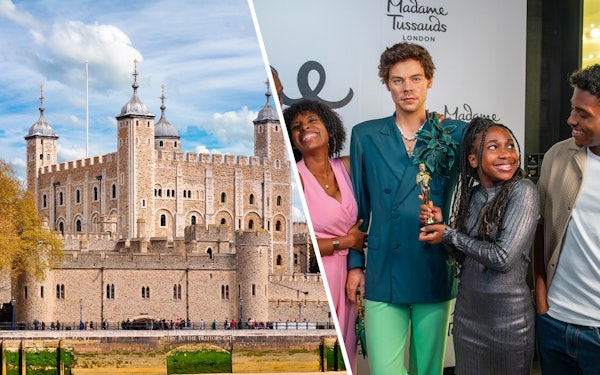
Combo: Tower of London Tickets with Access to the Crown Jewels + Madame Tussauds Tickets
A two-attraction combo pairing the Tower with Madame Tussauds - the highest-volume family combo in the catalog, useful for splitting across a wet day and a dry one.
4.5(22,934)ViewFrom$75
Madame Tussauds London Admission Ticket
The classic wax-figure museum - divisive with adults, dependable with kids, and one of the highest-volume indoor tickets in London.
3.9(2,588)3 hoursViewFrom$32
Private London British Museum Tour for Kids and Families
A private British Museum tour designed for children, with priority entry - the premium pick for making a serious museum land with a young audience.
5.0(65)2.5 hoursViewFrom$239
Madame Tussauds London Admission Ticket with Options
5.0(7)2 hours - 3 hoursViewFrom$40London Private Family Tour Museum Visit for Kids and Games
5.0(4)4 hoursViewFrom$134
Madame Tussauds Amsterdam Admission Ticket
4.1(1,074)1 hour - 1 hr 30 minViewFrom$19
Kid-Friendly Natural History Museum & Dinosaurs Private Guided Tour in London
5.0(11)2 hr 30 minViewFrom$301
Madame Tussauds Las Vegas Admission Ticket
4.1(812)2 hours - 5 hoursViewFrom$29
Family Friendly British Museum London Guided Private Tour
5.0(8)2 hr 30 minViewFrom$355
Practical tips
Book the Harry Potter Studio Tour first, then the Tower of London and the London Eye. Those are the timed, dated tickets where waiting costs you either the slot or your children's patience.
Plan one anchor per day. A family trip runs on energy, not hours, and the anchor-plus-park structure survives contact with real kids far better than a packed checklist.
Use buses and boats over the Tube where you can. They are step-free with a buggy, the views do half the entertaining, and the riverboat between the Eye, the Tower, and Greenwich is a genuine highlight in its own right.
Lean on the free museums. They are the best value in the city and the perfect pressure release: no sunk cost if you leave early, no guilt if you stay all day.
Carry snacks and a light rain layer everywhere. London days swing between sun and drizzle without warning, and half of family-trip crisis management is a granola bar at the right moment.
Quick recap: London with kids
Book ahead: Harry Potter Studio Tour, the Tower of London, the London Eye. Stay: South Kensington for museums and parks, Bloomsbury for value and calm, the South Bank to live inside the sights. Daily rhythm: one anchor attraction, one park, one easy evening. Wet weather: free museums first, Tussauds and the aquarium as paid backup. Do that and London becomes one of the easiest big cities in the world to enjoy as a family.
Plan your trip
See all London tours and experiences →Is London a good city to visit with kids?
Yes, and better than its reputation for grey weather suggests. London has an unusually deep bench of family attractions, from the Tower of London and the London Eye to the Harry Potter Studio Tour, plus enormous free museums and some of the best city parks anywhere. The trick is pacing: the city is big, kids tire fast on the Tube, and the families who enjoy it most plan one anchor attraction per day and let parks and downtime fill the rest.
Where should we stay in London with kids?
Stay central and near a park. South Kensington is the classic family base, with the Natural History Museum and Science Museum on the doorstep and Hyde Park a short walk away. Bloomsbury puts you near the British Museum with quieter streets and garden squares; the South Bank keeps you beside the London Eye, the river, and level walking with a buggy. Wherever you pick, prioritize a short walk to a Tube or rail station over a pretty street, because with kids every extra transfer costs you.
What age is the Harry Potter Studio Tour good for?
The sweet spot is roughly ages 7 and up, when kids have seen the films and recognize what they are walking through. Younger children are welcome and many enjoy the sets and props anyway, but it is a long visit, usually half a day or more with travel, and most of the magic depends on knowing the story. For committed fans of any age it is routinely the highlight of the whole trip, so book it well ahead; dated tickets regularly sell out.
Are London museums really free for families?
Most of the big national museums are generally free to enter, including the Natural History Museum, the Science Museum, and the British Museum, with charges usually limited to special exhibitions. That makes them the best rainy-day value in the city and takes the pressure off: if the kids melt down after 45 minutes, you have lost nothing. Popular free museums can still queue at peak times, so aim for opening time or book a free timed slot where one is offered.
How many days do you need in London with kids?
Four to five days is the comfortable minimum for a family first visit. That gives you one day for the Tower of London and the riverside, one for the Harry Potter Studio Tour, one for museums and parks, and slack for the slower mornings and early nights that real family travel involves. You can compress the headline attractions into a weekend, but with kids the compressed version usually costs more in mood than it saves in time.
Is the London Underground stroller-friendly?
Partially. Some stations have step-free access and lifts, but many older central stations still mean carrying a buggy up and down stairs. Families with toddlers often prefer buses, which are step-free, cheaper, and double as sightseeing from the top deck, or the riverboats, which turn getting around into part of the day out. If you do use the Tube, avoid rush hours and check step-free stations on the transport map before you set out.
What can you do in London with kids when it rains?
Rain is where London quietly beats most cities, because its best indoor attractions are world class and several of the biggest are free. The Natural History Museum and Science Museum can each absorb a full wet day, the Tower of London is largely walkable under cover, and Madame Tussauds, the SEA LIFE aquarium, and a West End matinee cover the paid options. Build one rainy-day plan before you fly and the forecast stops mattering.
What are the best things to do in London with teenagers?
Shift from attractions to experiences and give teens ownership of the plan. The climb over the O2 arena's roof, the Thames speedboat rides, Camden's markets, a West End show, and the Harry Potter Studio Tour for fans all land well, and the street-food markets solve meals better than restaurants do. The most reliable trick is letting each teenager plan one full day themselves; engagement follows ownership, and London has enough range that their version of the city is as good as yours.
Do I need to book London attractions ahead for a family trip?
For the dated, timed attractions, yes. The Harry Potter Studio Tour is the strictest, since it only sells dated tickets and popular slots go early; the Tower of London and the London Eye are worth booking ahead to skip ticket lines that test young patience. Free museums generally do not need much planning beyond arriving early. A good rule with kids: book the three things you would be genuinely sad to miss and leave the rest flexible.
Keep reading
Fler läsningar
Fler guider för att hjälpa dig planera din resa

1 dag i London: En realistisk dagsprogram som inte slösar tiden
En dag i London, planerad kring det som faktiskt passar - en promenadväg genom centrum, de två saker som är värt att boka i förväg, och fällorna som äter upp en timme vardera.

The Best Museums in London: Which of Them Deserve Your Day
London has more world-class museums than any trip can absorb, and most of them are free. A guide to which ones suit which visitor, and how many you can realistically do.

London på sommaren: Vad du ska boka, vad du ska hoppa över och vad du ska ha på dig 2026
En praktisk guide till sommaren i London - hur årstiden fungerar i verkligheten, vilka upplevelser som är värt att boka i förväg, och vad du ska packa för väder som förändras varje timme.

Buckingham Palace-biljetter 2026: Typer, turer och hur du hoppar över kön
En guide för 2026 till Buckingham Palace-biljetter - State Rooms tidsbunden entré, hoppa över kön, Changing of the Guard-turer och kungliga kombinationer jämförda.

Biljetter till Westminster Abbey 2026: Typer, guidade turer och hur du hoppar över kön
En guide till Westminster Abbey-biljetter 2026 - tidsbokad entré med audioguide, hoppa över kön, verger-ledda turer och Londonkombos jämförda.

5 Days in London: The Full Itinerary, Day by Day
A 5-day London itinerary: the Tower and Westminster, Greenwich by riverboat, a Stonehenge or Windsor day trip, plus markets and real neighborhood time.

Best Walking Tours in London: Beatles, Ripper, Royals and More
The best walking tours in London by theme: classic highlights, royal Westminster, Beatles and Abbey Road, Jack the Ripper, Harry Potter, and food walks.

London in Winter: What It's Really Like and How to Enjoy It
An honest guide to London in winter: how cold it gets, the festive season, the quieter big attractions, theatre and afternoon tea, and how to plan the days.