Paramaribo
6 results (filtered from 25)
Search results
Viator
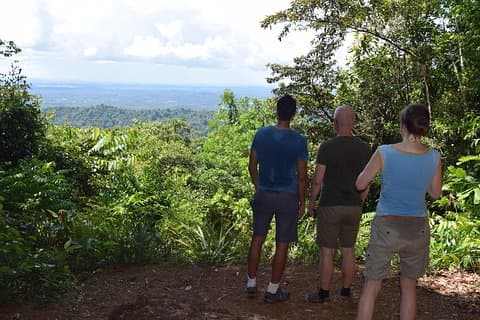
Full-Day Brownsberg Nature Park Tour
The Brownsberg Nature Reserve covers 6000 hectare of unspoiled land. In one day you will become acquainted with the major share of the flora and fauna the Suriname rainforest has to offer. A hike through the forest and down the hills will lead you to the most idyllic waterfalls.
4.3(10)
12 Hours
Paramaribo
- Free cancellation
From
$234
No similar experiences found
Viator
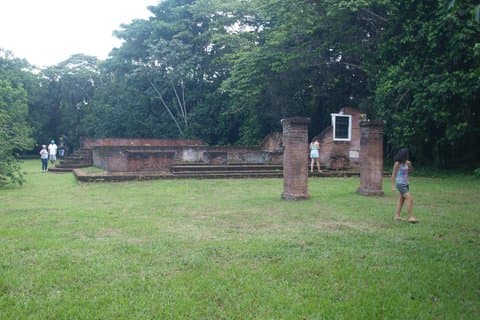
Jodensavanne Tour in Paramaribo
About 50 kilometers south of Paramaribo, on the right bank of the Suriname River, lies Jodensavanne, a former Jewish settlement. The site is named after Jews who fled the Inquisition around 1650 and settled in this savanna area. The location was favorable, with a hill overlooking plantations and access to two water sources, one believed to have medicinal qualities. For many years, Jodensavanne was the center of the Jewish community in Suriname. The settlers owned plantations where crops like sugarcane were cultivated, often named after Biblical places such as Hebron and Bersaba. In 1832, a major fire destroyed much of the settlement, after which the population moved to Paramaribo. Today, the ruins of the oldest Jewish synagogue in the Americas and the cemetery can still be seen. During the tour, a guide shares the rich history of this once-thriving community, followed by a traditional Surinamese lunch before returning to Paramaribo.
4 Hours - 5 Hours
Paramaribo
- Free cancellation
- New
From
$187
No similar experiences found
Viator
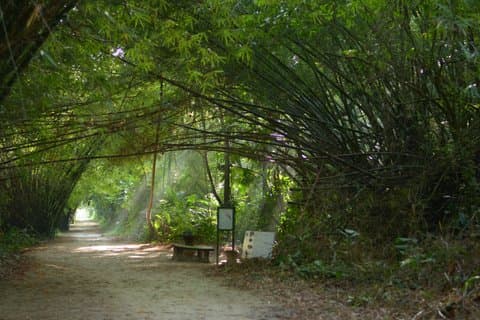
Commewijne Plantation Tour
The Commewijne district is one of the oldest plantation areas in Suriname. As early as the second half of the 17th century, plantations were established on the Upper Commewijne and Cottica rivers, where mainly sugarcane, coffee, and cocoa were cultivated. During this tour, we drive from Paramaribo across the Jules Wijdenbosch Bridge. The first stop is at Peperpot, a former coffee and cocoa plantation where you will take a walk along the Peperpot Trail. After this, we continue our journey to the Open Air Museum in Nieuw-Amsterdam and the former sugarcane plantation Mariënburg. Between activities, we stop for a delicious lunch and drive past the old plantations Ellen and Leliëndaal. The guide tells you a lot about the special history of the plantations and the remains that are sometimes hidden in the forest.
7 Hours - 8 Hours
Paramaribo
- Free cancellation
- New
From
$170
No similar experiences found
Viator
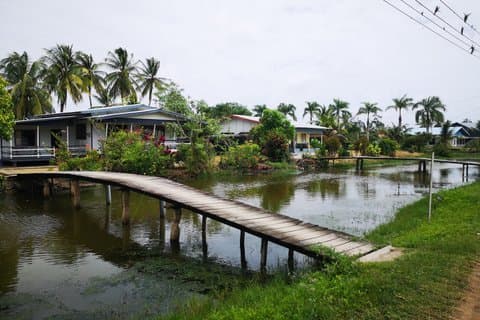
Commewijne Plantation Boat Tour
From the office, we'll travel along Anton Drachtenweg towards Leonsberg. Along this road, you'll encounter several beautiful homes and it's known as one of Paramaribo's most expensive neighborhoods. We'll depart from Leonsberg by wooden tent boat for Fort Nieuw-Amsterdam, home to the historic open-air museum. Dutch colonists built the fort at this strategic location in 1734 to protect the underlying plantations from the English and French. After this stop, we'll continue to the former Rust and Werk plantation. Here, you'll find a fishing village and the old colonial coffee and sugar plantations. You can experience the simple way of life of the descendants of indentured laborers. The next stop is the beautiful old Frederiksdorp coffee plantation. The buildings have been beautifully restored and now serve as hotel rooms. On the way back, we'll stop at the Johan and Margaretha plantation, which is currently used by local farmers to grow various crops such as cassava, bananas, and peppers.
8 Hours - 9 Hours
Paramaribo
- Free cancellation
- Private tour
- New
From
$297
No similar experiences found
Viator
Para District Nature and Culture Day Tour from Paramaribo
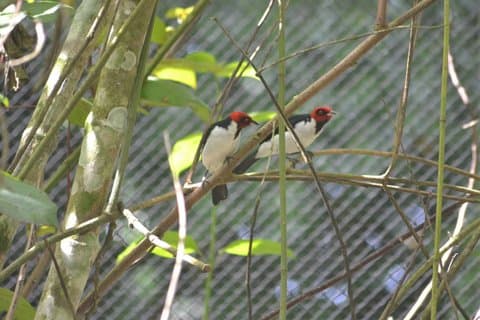
The Para Tour takes you through the beautiful district of Para, located south of Paramaribo. This area is known for its mining industry and recreational spots, with a varied landscape of savannas, forests, creeks, and rivers. Many Surinamese visit Para to relax, including at the well-known Colakreek, named after its cola-colored water caused by fallen leaves. The region is mainly inhabited by Maroon communities, and during the tour you will pass several villages. Remnants of the past are still visible, such as former plantations with Biblical names and parts of the historic railway from the gold rush era. The tour starts in the morning towards Reeberg, where you will visit Suriname Bird Paradise. This is followed by a stop at a woodcarving workshop, where local Maroons create beautiful handmade items. Next, you can relax and swim at Colakreek. The tour continues to Domburg for a short stop before returning to Paramaribo.
6 Hours - 7 Hours
Paramaribo
- Free cancellation
- New
From
$181
No similar experiences found
Viator
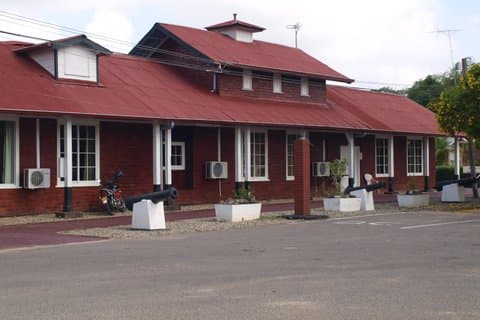
Saramacca and Coronie District Tour
The journey takes you through the districts of Saramacca and Coronie. The first stop is at Weg naar Zee, where you visit a Hindu temple, an important pilgrimage site, and a nearby crematorium. In Saramacca, known for livestock farming and the cultivation of rice and vegetables, you explore Groningen, the main town. Here, you will see the smallest square with the highest number of monuments, reflecting Suriname’s rich multicultural history. The route continues to the Coppename River, which you cross before entering Coronie. Coronie, once thriving on coconut plantations, is now sparsely populated, with villages along the East-West connection. The area is known for its rice fields rich in fish, including the popular kwi-kwi, as well as beekeeping, pure honey, and its gently swaying coconut palms.
7 Hours
Paramaribo
- Free cancellation
- New
From
$174
No similar experiences found


