Milwaukee
35 results (filtered from 72)
Search results

Viator
The Original Milwaukee Ghost Walk - Third Ward
Milwaukee's original haunted history walking tour introduces you to the unique heritage of the Historic Third Ward in Milwaukee, Wisconsin. The Third Ward, dubbed “The Bloody Third” in 1846, is a charming arts district today but conceals a violent gangster past. Once home to Milwaukee’s mafia operations and, before that, Irish gangsters, known as the Third Ward Cowboys, its streets have been touched by tragedy and the paranormal. Expect to learn more about paranormal happenings and ghost sightings at the Skylight Opera Theatre, the Italian Community Center, and MIAD, as well as many other lesser-known locations. Ghosts stories with Third Ward connections including supernatural encounters at the Hilton Garden Inn and the Pfister Hotel.
3.8(11)
1h 30m - 2 Hours
Milwaukee
- Free cancellation
From
$29
No similar experiences found
Viator
North Point Mansions Walking Tour
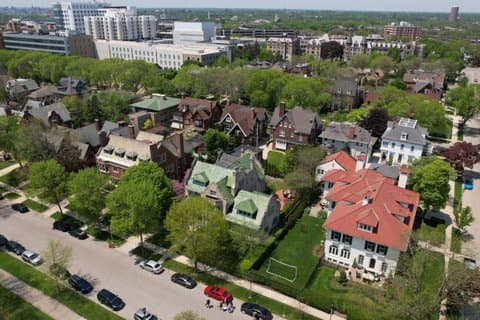
Set on a bluff, overlooking the northern point of Milwaukee’s harbor, this neighborhood boasts an incredible collection of mansions from the early twentieth century. The tree-lined blocks feature a variety of styles including German Renaissance Revival, English Tudor Revival, Mediterranean Revival and others popular from 1890-1940. The houses were designed by some of the most notable Milwaukee architects including Eschweiler, Clas, Niedecken and even Wisconsin’s own Frank Lloyd Wright. Beyond the architectural details, the neighborhood’s past residents include many prominent Milwaukeeans who made money in wheat, railroads, straw hats, fur coats, ice cream and more. The tour also includes non-residential neighborhood landmarks like a historic hospital complex, water tower and lighthouse, as well as a Frederick Law Olmsted designed park. This walking tour is 1.4 miles in length. We recommend bringing (weather permitting): good walking shoes, water, sunscreen, and/or umbrella.
2 Hours - 2h 30m
Milwaukee
- Free cancellation
- New
- Likely to sell out
From
$16
No similar experiences found
Viator
Private Walking Tour in Milwaukee with Art Museum Visit
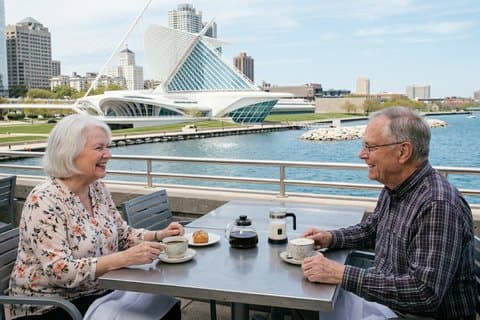
This private walking tour reveals the cultural heritage of Milwaukee. Explore historic streets shaped by American industry and artistic growth. Discover a city whose legacy reflects transformation and modern identity. Begin near the statue of General Douglas MacArthur. Learn how leadership and history shaped this urban landscape. Walk through vibrant districts filled with architectural character. What stories define Milwaukee’s cultural evolution? The Milwaukee County War Memorial Center presents a powerful historical tribute. Nearby, the Milwaukee Art Museum showcases a refined artistic heritage. Its striking design reflects contemporary architectural vision. The journey continues to Lakeshore State Park. This waterfront setting offers calm views and fresh perspectives. Capture memorable moments while exploring one of the city’s scenic spaces. Please note: The program and attractions may vary based on booking date/time and crowd conditions, ensuring each visit is a unique experience
2 Hours
Milwaukee
- Free cancellation
- Private tour
From
$399
No similar experiences found
Viator
Beyond Brady Street Walking Tour
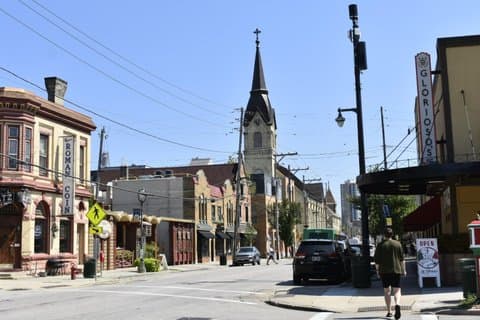
This key commercial corridor on Milwaukee’s Lower East Side was settled by Polish immigrants who built St. Hedwig’s Catholic Church (1886) as the center of their community. Their residences, seen mostly north of Brady, became the ubiquitous Milwaukee Polish Flat. Later the neighborhood became home to a number of Italian families, who transformed many commercial buildings into businesses that are still on Brady today like Glorioso’s Italian Market (1946) or Peter Sciortino’s Bakery (1947). On this tour, you’ll also hear more about the counterculture era from the 1960s and 1970s and learn how Brady Street has reinvented itself in recent year. The tour blends local history and cultural insight with the sights and atmosphere of one of Milwaukee’s most engaging urban corridors.
2 Hours
Milwaukee
- New
From
$20
No similar experiences found
Viator
Water to Westown Walking Tour
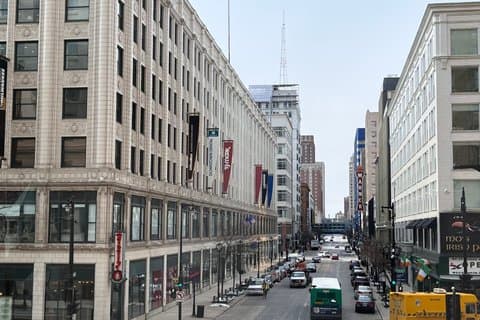
West of the Milwaukee River, you’ll find the historic arts and entertainment district of Downtown. Today, the area known as Westown includes several theaters and arts venues as well as sports arenas, the Baird Convention Center, and several historic hotels. Also in the district is the multi-block Grand Avenue Mall (1982), now redeveloped into The Avenue (2018) with updated food hall and shopping. This tour will explore the recent transformation of several historic buildings into mixed-use development with apartments, new coffee shops, and gallery spaces, and the reinvigoration of office space. Included on the tour are Milwaukee’s large blue building, the Reuss Federal Plaza, now known as 310W (1983), the historic Hotel Wisconsin (1913), and the Pabst Theater (1895). This walking tour is 1.4 miles in length. We recommend that travelers bring (weather permitting): good walking shoes, water, sunscreen, and/or an umbrella.
1h 30m - 2 Hours
Milwaukee
- Free cancellation
- New
- Likely to sell out
From
$16
No similar experiences found

Viator
Whorin' 20s Walking Tour
This is a focused look into one of the most fascinating—and least openly discussed—chapters of Milwaukee’s history. The Whorin’ 20s Walking Tour is centered entirely on the city’s Prohibition-era vice district, uncovering what operated just beneath the surface during a time when everything appeared controlled, but very little actually was. As you move through Milwaukee’s downtown, the past begins to reveal itself in layers—stories of hidden nightlife, blurred lines, and decisions made behind closed doors. The experience reframes the neighborhood, turning familiar streets into something far more complex. It’s not a general overview. It’s a deep dive into a specific era, told where it actually unfolded. The result is an experience that feels both revealing and unexpected—one that stays with you long after the walk ends. And when it does, the night continues at Shakers, where the atmosphere still echoes the world you’ve just stepped into.
1h 30m
Milwaukee
- Free cancellation
- New
From
$55
No similar experiences found
Viator
Milwaukee's German Heritage Walking Tour
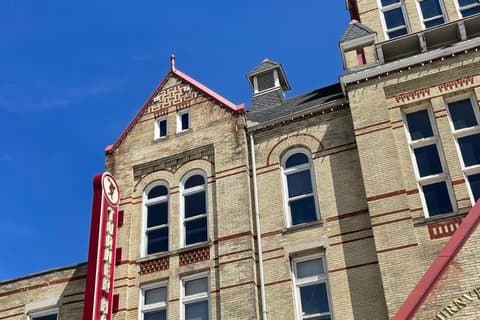
Milwaukee, once known as the German Athens, is the most German among major US cities. Walking down Old World Third Street today you are not likely to see many German shops advertising “English Spoken Here” as a special or unique service, but as early as 1848 it would not have been uncommon. Germans represented 1/3 of the entire population in Milwaukee and this section of the city was integral to German immigrant’s daily life. Today, much of the landscape today reflects that influence including a number of stops on the tour such as Turner Hall (1882), the Germania Building (1896) and Old St. Mary’s Church (1846). Woven between the cream city bricks, hear stories about the notable German biermeisters, tanners, merchants and artists who helped to shape Milwaukee.
2 Hours - 3 Hours
Milwaukee
- New
From
$20
No similar experiences found
Viator
Historic Third Ward Walking Tour
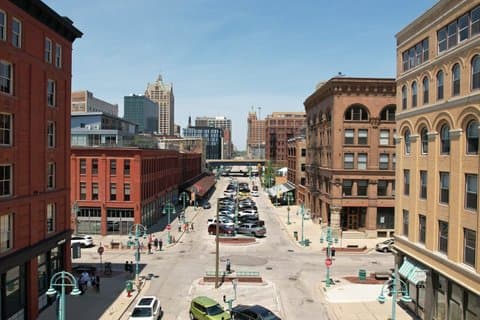
The Historic Third Ward was the first stop for many of Milwaukee's European immigrants, particularly the Irish and later the Italians. Close to cheap housing and available jobs, these new arrivals created close-knit communities. Like most major industrial cities, the Third Ward had a significant and destructive fire in 1892, which reshaped the landscape to much of what you see today. In the 1970s, this area experienced a resurgence that transformed factories and warehouses into condos and mixed adaptive reuse. On this tour, learn about the neighborhood landscape as well as the Irish and Italian immigrants as well as the impact of the LGBTQ+ community and other residents. Stops include the Milwaukee Public Market (2005), Milwaukee Institute of Art and Design (MIAD) (1974), and Commission Row (1894). This walking tour is 1 mile in length. Travelers are recommended to bring (weather permitting): good walking shoes, water, sunscreen, and/or umbrella.
1h 30m - 2 Hours
Milwaukee
- Free cancellation
- New
From
$16
No similar experiences found
Viator
Milwaukee's Riverwalk Walking Tour
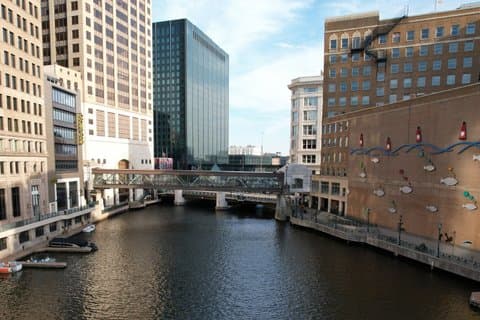
Like many communities in the industrial Midwest, Milwaukee’s ecological legacy has a significant period of pollution. Thankfully, in the late 1980s & early 1990s, driven by Mayor John Norquist and others, Milwaukee dedicated resources to water clean up and the reinvigoration of the buildings along the Milwaukee River. This reinvestment included the creation of a public-private partnership known as the Riverwalk (1993). Today, the Riverwalk extends 3.1 miles along both sides of the Milwaukee River, from the site of the former North Avenue Dam, through Downtown and the Historic Third Ward to Lake Michigan. The tour will explore the industries and early city growth that impacted the river so greatly and also a number of the historic buildings along the way. You’ll also learn about some of the temporary and permanent public art on display. This walking tour is 1.2 miles in length. We recommend that travelers bring: good walking shoes, water, sunscreen, and/or umbrella.
1h 30m - 2 Hours
Milwaukee
- Free cancellation
- New
- Likely to sell out
From
$16
No similar experiences found
Viator
Milwaukee Scavenger Hunt Adventure
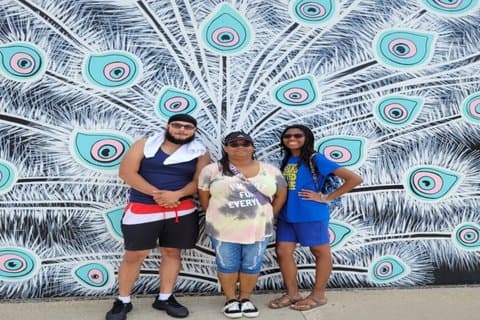
Set off on an exciting journey through Milwaukee! Dive into the city’s vibrant past—from its Native American heritage to the waves of European immigrants who shaped it. Explore the stories behind its landmark buildings, discover the legend of the famous “Fonz,” and learn why locals call ATMs “TYME machines.” Put your sleuthing skills to the test with fun challenges and clever clues along the way. And be sure to grab a selfie with the Fonz for extra points! Get ready to experience Milwaukee in a whole new way!
3 Hours
Milwaukee
- Private tour
- New
From
$50
No similar experiences found
Viator
Bay View Walking Tour
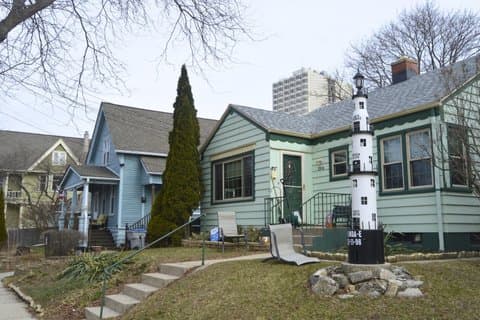
Travel back in time and learn more about Wisconsin’s first company town. Today, Bay View is one of Milwaukee’s neighborhoods but it was originally established in 1867 for workers at the Milwaukee Iron Company. The tour will explore houses built for laborers and managers and discuss the development of the mill and town before it incorporated into Milwaukee in 1887. Beyond residential streets, stops include important businesses, community spaces including the Beulah Brinton House (1871), houses of worship, and landmarks like the Pryor Avenue Iron Well (1882). The tour will also share immigrant stories from Welsh, English and later Italian families who established deep roots in Bay View. This walking tour is 1.9 miles in length. We recommend that travelers bring (weather permitting): good walking shoes, water, sunscreen, and/or umbrella.
1h 30m - 2 Hours
Milwaukee
- Free cancellation
- New
From
$16
No similar experiences found


