DublinListiclePubsDay tripsWhiskey
Things to Do in Dublin: 27 Experiences Worth Booking in 2026
A 2026 Dublin shortlist - 27 landmarks, brewery and distillery visits, literary and music pub walks, coastal escapes, and day trips, grouped by theme.
SimilarTours Editorial 작성 · Travel Research · · 19분 읽기

Dublin is a small capital that punches far above its size, and the version of it people fall for is rarely the one on the postcards. Yes, there is a brewery with a rooftop view and a famous cobbled quarter full of painted pub fronts. But the city that sticks is the one you find in a back-street session where the fiddle player nods you into the corner, on a cliff path an hour from the centre with the Irish Sea below, or in a Georgian square at the exact moment the light breaks through.
This guide cuts the list down to 27 experiences worth booking, grouped so you can lift the block that matches your trip: the landmarks and libraries, the brewery and distillery visits, the literary and music walks, the coast, and the day trips that take you out of the city entirely. Each entry gives one clear reason it earns a place and who it suits.
We compared the Dublin experiences currently bookable across our partner OTAs and grouped them by what they actually deliver, so you can weigh like against like on one comparison site instead of ten browser tabs. Availability and pricing are live at the moment you search, and depend on date, group size, and language.
Browse all Dublin experiences and tickets →City landmarks and libraries
Start here. Dublin's headline sights cluster tightly on both sides of the Liffey, and you can string most of them together on foot in a day and a half.
1. Trinity College and the Old Library
The walled university campus in the middle of the city, entered through a stone archway that drops you straight from traffic into a cobbled quadrangle. The draw is the old library and its long barrel-vaulted chamber lined floor to ceiling with books, along with the illuminated manuscript displayed alongside it. Entry is timed and the queue outside the library door is one of the longest in Dublin from late spring onwards, so a pre-booked slot matters here more than at most attractions. A campus walking tour led by a student adds the layer that the ticket alone does not.
2. Dublin Castle
A working government complex rather than a fairytale fortress, and more interesting for it. The state apartments, the courtyards, and the gardens sit right in the centre of town, a five minute walk from Trinity, and the interiors are among the grandest you can walk through in the city. Go for the guided version if you can, because the rooms are lightly labelled and the guides carry the stories. It is also one of the more reliable indoor options on a wet afternoon.
Top Dublin walking tours

Dublin LGBTQ Pride Historical and Cultural Walking Tour
5.0(99)2 hoursViewFrom$28
Dublin South Walking Tour: Stories & Splendour: with Local Expert
5.0(9)2 hr 30 minViewFrom$24
Haunted Dublin Walking Tour
4.9(1,017)2 hoursViewFrom$29
Highlights of Dublin Private Walking Tour with Guide
5.0(19)3 hoursViewFrom$474
Dublin Highlights and Hidden Gems Guided Walking Tour
4.9(7,192)2 hoursViewFrom$29
Vikings, Rebels, Monks and Monarchs Self Guided Tour of Dublin
2 hours - 4 hoursViewFrom$6
2-Hour Historical Walking Tour from Dublin
4.9(993)2 hoursViewFrom$23
90 Minute Dublin Walking tour and Sightseeing tips
4.9(990)1 hr 45 minViewFrom$21
Walking tour in Merrion Square Park with a pint of Guinness Dublin Rogues Tour
5.0(36)1 hr 15 minViewFrom$40
1916 Rebellion Walking Tour
4.9(1,765)2 hoursViewFrom$27
3. St Patrick's Cathedral
Dublin's largest cathedral, set slightly south of the centre in its own park, with a long stone nave, banners overhead, and a choral tradition that still runs. It is a calm, high-ceilinged pause between the busier sights, and the park outside is a good place to sit with a coffee. Combine it with Christ Church and you have a compact cathedral loop that takes an easy morning.
4. Christ Church Cathedral and the crypt
The older-feeling of the two great cathedrals, reached by a raised walkway and worth entering as much for the vast crypt below as the church above. The crypt is one of the most atmospheric interiors in Dublin and often quieter than the main floor. It sits at the top of the hill between Temple Bar and the Liberties, which makes it a natural stop on the walk west towards the brewery district.
5. Kilmainham Gaol
The former prison west of the centre, and the most affecting paid visit in Dublin. Access is by guided tour only, capacity is limited, and slots regularly sell out well ahead - this is the one attraction where booking early genuinely changes whether you get in. The central hall with its tiered walkways and glass roof is the image everyone comes away with, but it is the guide's commentary through the cell corridors that makes the visit land. Allow around 90 minutes and plan the tram journey out.
6. EPIC The Irish Emigration Museum
A fully digital museum in the vaulted basement of a dockside building, telling the story of the Irish who left and where they ended up. It is interactive rather than object-led, which makes it unusually good with teenagers and a strong choice if anyone in your group has Irish ancestry to chase. It sits on the north quays a short walk from the centre and pairs neatly with a walk along the docklands afterwards.
7. The national museums and the National Gallery
Dublin's national collections are spread across a handful of buildings clustered near the government quarter, covering archaeology, decorative arts, natural history, and Irish and European painting. They are free to enter, rarely crowded compared with the ticketed attractions, and each one is small enough to see properly in an hour or so. Pick one rather than trying to sweep all of them, and treat the archaeology collection as the priority if you only have time for a single visit.
Book the two timed attractions first
Kilmainham Gaol and the Guinness Storehouse are the two Dublin attractions that most often sell out, and Kilmainham runs on limited guided slots rather than open entry. Fix those two in the diary first, then build the rest of your days around them. Trinity's old library is the third to lock in if you are travelling between June and September.
Brewery, distillery and tasting visits
The drinks trade is woven through Dublin's geography, and the visitor experiences built around it are among the best-run attractions in the city.
8. The Guinness Storehouse
Dublin's most-booked paid attraction, occupying a tall former industrial building west of the centre, with a self-guided route up through the floors and a glass-walled rooftop bar with a wide view across the city at the top. The pour at the end is the part most people remember, and there are versions of the ticket that let you pull your own. Entry is timed, midday slots are the busiest, and the fast-track and guided options exist precisely because of that. Our Guinness Storehouse tickets guide compares every ticket family in full.
Top Guinness Storehouse tickets

Guinness Family Tour VIP Access to Guinness Storehouse
5.0(8)2 hr 30 minViewFrom$125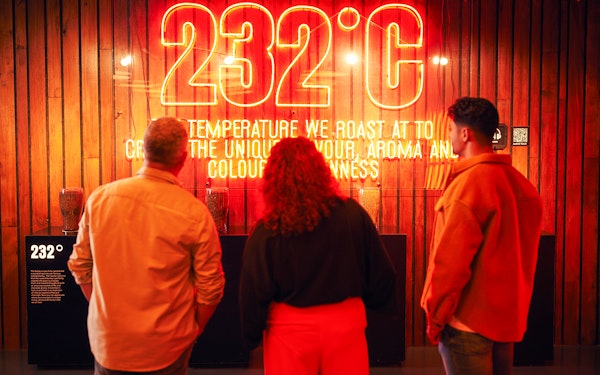
Guinness Storehouse Tickets
4.7(248)1 hr 30 minViewFrom$29
Guinness Storehouse Experience
4.4(5,408)2 hoursViewFrom$38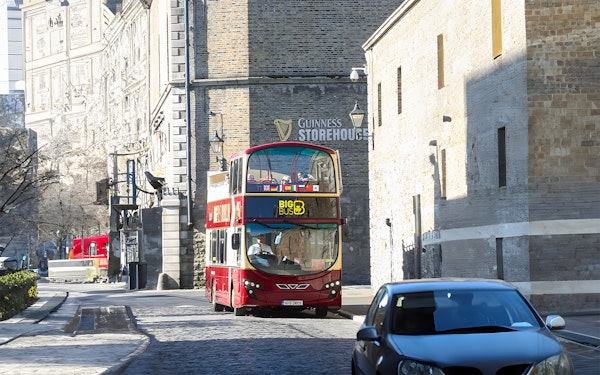
Combo: Dublin Hop-on Hop-off Bus Tour + Guinness Storehouse & Gravity Bar Tickets
4.3(27)1 hourViewFrom$58
Dublin Jameson Distillery and Guinness Storehouse Guided Tour
4.7(2,981)4 hoursViewFrom$146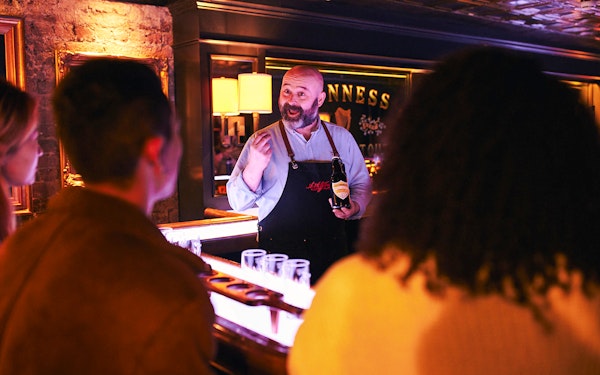
The Guinness Connoisseur Experience Tickets
4.8(5)1 hr 15 minViewFrom$104
Guinness Storehouse Ticket and Big Bus Dublin Hop-on Hop-off Tour
4.4(340)1 hr 30 minViewFrom$77
House of Guinness with Guinness Storehouse and Brazen Head Pub
4.6(61)2 hoursViewFrom$58
Smithwick's Experience Kilkenny Entrance Ticket
4.9(703)1 hourViewFrom$26
Guinness Storehouse, Irish Whiskey Experience and Brazen Head
4.7(96)4 hoursViewFrom$130
9. A whiskey distillery tour in the city centre
Dublin has several working and heritage distilleries within walking distance of the centre, each running guided tours that end in a tasting. The format is broadly the same everywhere - a walk through the production story, then a comparative tasting flight - but the buildings and the house styles differ, so pick on location and on whether you want a small-group or a standard tour. It is the most reliably enjoyable indoor hour in Dublin on a grey afternoon.
Top Dublin whiskey distillery tours

Dublin Private Whiskey Tour with Three Unique Distillery Visits
5.0(37)3 hr 30 minViewFrom$343
Dublin Jameson Distillery Tour and Tasting 45 mins
4.8(5,254)45 minutesViewFrom$37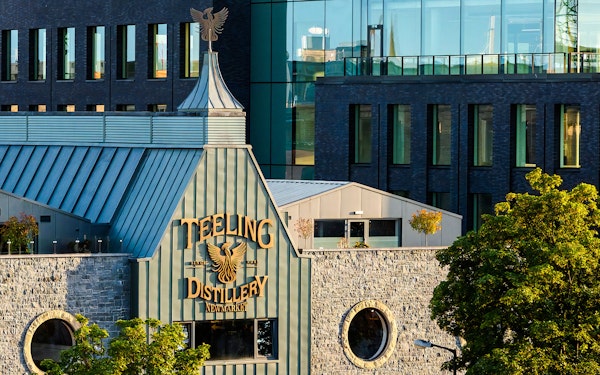
Teeling Whiskey Distillery Tour with Teeling Tasting
4.9(7)1 hourViewFrom$20
Dublin Teeling Whiskey Distillery Guided Tour and Tasting 1 Hour
4.9(1,931)1 hourViewFrom$26
Teeling Whiskey Distillery Tour with Distillery Select Tasting
5.0(5)1 hourViewFrom$36Dublin Jameson Distillery and Guinness Storehouse Guided Tour
4.7(2,981)4 hoursViewFrom$146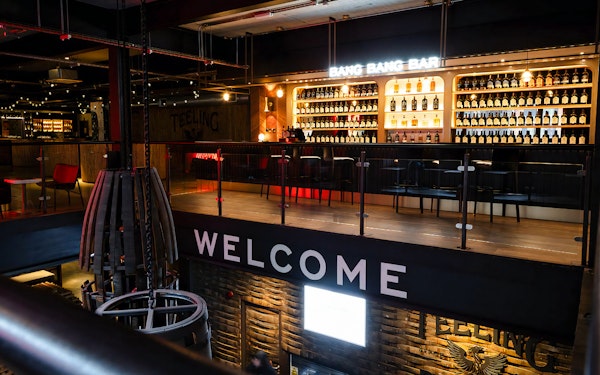
Teeling Whiskey Distillery Tour with Trinity Tasting
5.0(8)1 hourViewFrom$25
Dublin Jameson Distillery Bow St. Choice of Experiences
4.9(457)45 minutes - 1 hr 30 minViewFrom$48
Dublin: Jameson Distillery Guided Tour with Tasting & Signature Cocktail
4.7(538)45 minutesViewFrom$31
Dublin: Irish Whiskey Museum Tour with 3 or 4 Tastings
4.9(3,198)1 hourViewFrom$30
10. A whiskey blending or tasting masterclass
The upgrade on a standard distillery visit. Blending sessions hand you the component whiskeys and let you build and bottle your own, while comparative tastings walk you through the differences between styles with someone explaining what you are tasting. Both suit travellers who already like whiskey and want more than the introductory tour, and they work well as a fixed indoor booking on a day with unreliable weather.
11. A craft beer and brewery walk
Beyond the famous stout, Dublin has a genuine small-brewery scene spread across the Liberties and the northside. A guided beer walk moves you between taprooms and pubs with a guide who orders for the table and explains what is in the glass. It suits drinkers who want breadth rather than a single brand, and it doubles as an efficient tour of two neighbourhoods you might otherwise skip.
12. A proper pint in a Victorian pub
Not everything needs a ticket. Dublin's older pubs - the ones with snugs, etched glass, and a long dark bar - are experiences in their own right, and the ritual of ordering a stout and waiting through the settle is part of it. Go mid-afternoon on a weekday if you want the quiet version, and step at least a couple of streets away from the busiest tourist blocks for the version locals actually drink in.
See all Dublin food and drink experiences →Literature, music and food on foot
Dublin is a walking city with a strong storytelling tradition, and the guided walks here are unusually good.
13. A literary pub crawl
The signature Dublin evening. Actors lead a small group between pubs tied to the city's writers, performing passages between stops rather than simply pointing at plaques. It is theatre and pub night in one, it works whether or not you have read the books, and it is the single experience most first-time visitors say they are glad they booked. Reserve ahead in summer, when the evening departures fill.
Top Dublin literary pub crawls

Dublin Off-The-Beaten-Path Private Literary Walking Tour
5.0(7)2 hr 30 minViewFrom$170
Dublin Literary Pub Crawl
4.8(1,713)2 hr 15 minViewFrom$27
The Poetry Stroll: A Literary Walking Tour (Sweny's Pharmacy)
5.0(11)1 hourViewFrom$27
Generation Pub Crawl Dublin
4.3(439)5 hoursViewFrom$17
Private Dublin Pub Tour (Walking Tour)
5.0(60)4 hoursViewFrom$284
The Edinburgh Literary Pub Tour
4.6(506)2 hoursViewFrom$35
Dublin: Hidden Gem Walking Tour with Local Guide
5.0(10)2 hoursViewFrom$18
Afternoon Dublin Mountain Pub Tour(small group pub crawl max 15)
5.0(285)5 hoursViewFrom$82Highlights of Dublin Private Walking Tour with Guide
5.0(19)3 hoursViewFrom$474
Greenwich Village Literary Pub Crawl
4.8(53)3 hoursViewFrom$49
14. A traditional music pub crawl
The other great Dublin night out. A guide and musicians take you between pubs with live sessions, playing and explaining the instruments and tunes between rounds. The difference from wandering in on your own is curation: you get the pubs with real sessions rather than the ones with a covers act, and you get the context that turns background music into something you are actually listening to.
15. A Dublin food tour
A walking tour built around tastings, moving between markets, cafes, delis, and pubs with a guide who explains where modern Irish food has landed. It runs at lunchtime or in the early afternoon, replaces a sit-down meal, and is the fastest way to work out where you want to eat for the rest of the trip. A strong first-day booking for exactly that reason.
Top Dublin food tours

Dublin Ohio Walking Food Tour
5.0(1)3 hr 30 minViewFrom$105
Delicious Dublin Food Tour
4.9(721)3 hoursViewFrom$107
Private Ultimate Day in Dublin (Walking Tour)
5.0(31)8 hoursViewFrom$422
Dublin Historical Centre Food Tour with 7 Food Tastings & Drinks
4.9(2,135)3 hoursViewFrom$133
Taste & Tour: The original Belfast Food Tour™️ with drinks
5.0(30)4 hoursViewFrom$120
Food on Foot: Dublin Street Food Tour with Local Guide
4.9(561)3 hoursViewFrom$33
Taste traditional Irish food in the heart of Dublin
5.0(25)2 hr 30 minViewFrom$166Dublin Highlights and Hidden Gems Guided Walking Tour
4.9(7,192)2 hoursViewFrom$29Private Dublin Pub Tour (Walking Tour)
5.0(60)4 hoursViewFrom$284
Afternoon Tea Bus Tour in Dublin
4.8(3,103)1 hr 30 minViewFrom$71
16. A guided history walking tour
A two-hour walk that stitches the centre's landmarks into a single narrative, usually starting around Trinity and covering the castle, the cathedrals, and the Georgian streets. Book it for your first morning and the rest of the city makes far more sense, because Dublin's story is written into the layout in a way that is easy to miss on your own. Look for the small-group versions if you want to be able to ask questions.
17. Temple Bar, deliberately and briefly
The cobbled quarter of painted pub fronts on the south bank of the Liffey, and the most photographed few streets in Ireland. Treat it as a walk-through rather than a night out: it is genuinely handsome in the early evening light and worth 20 minutes with a camera, but the drinks carry a steep location premium and the sessions are pitched at visitors. See it, photograph it, then go one or two streets back for the actual evening.
18. A street art and northside neighbourhood walk
North of the river, away from the tour groups, Dublin gets scruffier and considerably more interesting - markets, murals, working-class streets, and a food scene that has quietly overtaken the centre's. A guided walk here is the antidote to a purely landmark-led trip and suits repeat visitors or anyone who wants the city rather than the highlight reel.
Parks, squares and the coast
Dublin's best free half-days are outdoors, and the coast is closer than most visitors realise.
19. Phoenix Park
An enormous walled park on the western edge of the city, big enough to hold woodland, open grassland, long avenues, a resident deer herd, and the zoo. It is the place Dubliners go to run, cycle, and lose an afternoon, and hiring a bike at the gate is the best way to cover it. Go on a clear morning and it feels like leaving the city without actually leaving it.
20. St Stephen's Green and the Georgian squares
The formal park at the bottom of the main shopping street, with a lake, bandstand, and enough benches to make it the default city-centre pause. Walk east from it into the Georgian quarter and you get the terraces of tall brick houses with the brightly painted doors that define Dublin's residential architecture. It is a 45 minute wander that costs nothing and produces most people's favourite photographs of the trip.
21. The Howth cliff walk
A fishing village on a headland at the end of the northern rail line, half an hour from the centre, with a looped cliff path that runs high above the sea past a lighthouse and back down to the harbour. It is the best half-day in Dublin that does not involve a ticket: take the train out, walk the loop, eat seafood at the pier, and be back in town by evening. Wear proper shoes and check the weather, because the exposed sections are no fun in driving rain.
22. Dun Laoghaire and the piers
The harbour town on the southern rail line, where two long stone piers reach out into the bay and half the county seems to walk them on a Sunday. It is flatter and easier than Howth, which makes it the better pick with small children or limited mobility, and there is a genuine sea-swimming culture at the bathing spots along the coast if you are brave enough. Ice cream at the end of the pier is the local ritual.
23. Dalkey and Killiney Hill
Two stops further down the same line, a small coastal village with a compact castle and a steep hill behind it that opens onto one of the best views in the region - the bay curving away below with the mountains behind. It is a short, sharp climb rather than a hike, and the village has enough good places to eat to justify the trip on its own. The quietest of the three coastal options.
24. A Dublin Bay boat trip
Seeing the city and the coast from the water changes the shape of both. Bay cruises run out past the port and along the coastline towards the headlands, and some head for the island seabird colonies offshore. It suits families and anyone who has already covered the centre on foot, and it is one of the few Dublin experiences that improves with a bit of wind.
See all Dublin outdoor experiences →Day trips worth the early start
Dublin is one of Europe's best bases for day trips, because the country is small and the coach networks are well organised. These are the four that dominate the bookings.
25. The Cliffs of Moher
The big one. A long day west across the country to the Atlantic cliffs, usually taking in the limestone landscape of the Burren and a stop in Galway on the way back. It is a full day on a coach with a few hours at the destination, so book it knowing the drive is part of the deal - and know that the cliffs in low cloud are a very different experience from the cliffs in clear light. Sit on the correct side of the bus and take the earliest departure you can face.
Top Cliffs of Moher day trips from Dublin

Cliffs of Moher Day Tour from Limerick: Wild Atlantic Way
4.0(294)7 hoursViewFrom$70
Top Rated private Cliffs of Moher from Dublin Admission included
5.0(64)10 hours - 11 hoursViewFrom$1,660
Cliffs of Moher and Galway City Day Tour from Dublin
4.3(376)12 hr 15 minViewFrom$89
Cliffs of Moher and Wild Atlantic Way Private Tour from Dublin
5.0(20)11 hr 30 minViewFrom$1,304
Cliffs of Moher, Burren and Galway Day Tour from Dublin
4.6(2,921)13 hoursViewFrom$89
Private Day Tour Cliffs of Moher from Dublin
5.0(10)10 hours - 12 hoursViewFrom$1,601
Cliffs of Moher Day Tour from Dublin: Including The Wild Atlantic Way
4.5(1,277)12 hoursViewFrom$89
Dublin to Cliffs of Moher, Burren, Wild Atlantic Way, Galway Tour
4.9(14,563)12 hr 30 minViewFrom$93
The Cliffs of Moher Day Tour
5.0(6)8 hoursViewFrom$1,186
Dublin to Cliffs of Moher, including Wild Atlantic Way and Galway
4.9(24,649)13 hoursViewFrom$89
26. The Giant's Causeway and the Antrim coast
North instead of west, crossing into Northern Ireland for the basalt columns on the Causeway coast, usually combined with the coastal road, a rope bridge, and often a stop in Belfast or at the filming locations along the route. It is another long day, but the coastal drive itself is a highlight rather than dead time. Bring a passport or ID and check what your operator requires.
Top Giant's Causeway day trips from Dublin

Shore Excursion: Giant's Causeway Tour Including Belfast City Tour
4.8(255)9 hoursViewFrom$41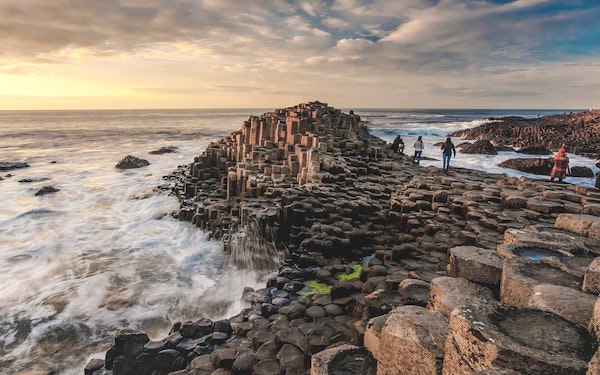
From Dublin: Giant’s Causeway Full-Day Tour
4.3(330)12 hoursViewFrom$82
Giant's Causeway Day Tour from Dublin
4.5(964)13 hoursViewFrom$95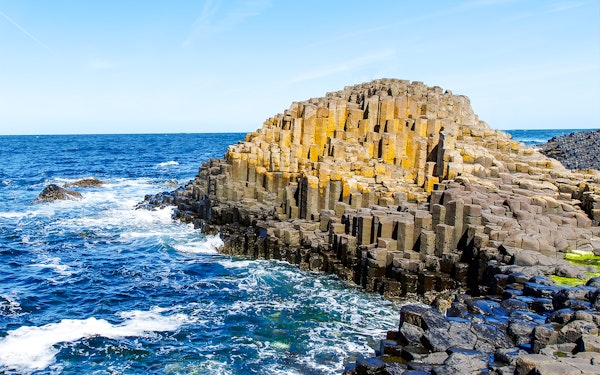
From Dublin: Giant's Causeway and Titanic Experience Full-Day Tour
4.3(107)12 hoursViewFrom$82
Dublin to Belfast Black Cab, Dunluce Castle and Giant's Causeway
4.9(8,215)13 hoursViewFrom$101
Full-Day Private Giant's Causeway Experience
5.0(15)8 hoursViewFrom$824
Dublin to Dunluce Castle, Giant's Causeway, Dark Hedge, Belfast
4.9(5,631)12 hr 30 minViewFrom$95
Giants Causeway with Private Chauffeur Day Tour from Dublin
5.0(24)8 hours - 10 hoursViewFrom$1,417
Dublin to Dunluce Castle, Giant's Causeway and Belfast Day Tour
4.8(578)12 hr 45 minViewFrom$71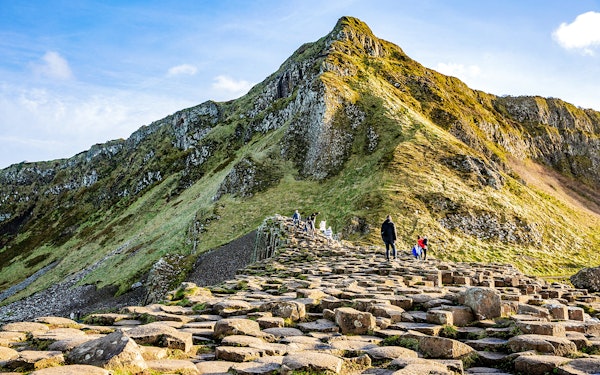
From Belfast: Giant's Causeway Full-Day Tour
4.3(118)6 hoursViewFrom$37
27. Glendalough and the Wicklow Mountains
The easiest escape from Dublin and the one to pick if you would rather not spend six hours on a coach. The route climbs quickly into open mountain and bog south of the city, then drops into a wooded glacial valley with two lakes and a monastic settlement beside them. Half-day and full-day versions both exist, and the full-day ones usually add a sheepdog demonstration or a village stop. It is the highest scenery-per-hour of any Dublin day trip.
Top Wicklow and Glendalough day trips

Day Tour from Dublin: Wicklow Mountains, Glendalough, Powerscourt
5.0(74)7 hours - 8 hoursViewFrom$670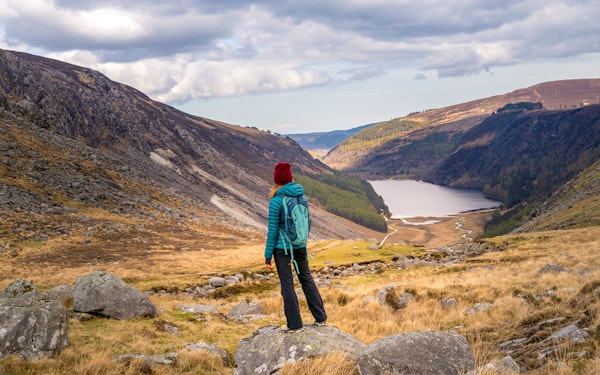
From Dublin: Glendalough, Wicklow, and Kilkenny with Sheepdog Trails Full-Day Trip
4.9(2,552)10 hoursViewFrom$30
Kilkenny, Wicklow and Glendalough Sheepdog Trials from Dublin
4.9(8,681)10 hoursViewFrom$51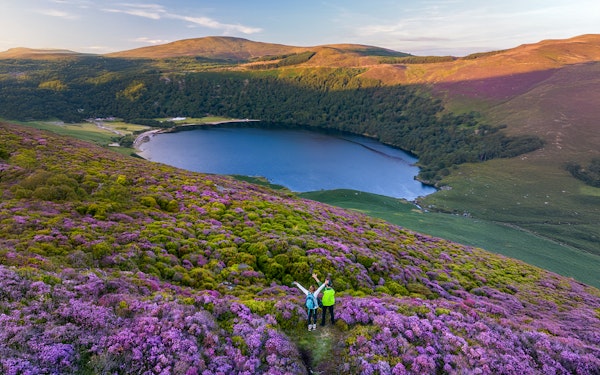
From Dublin: Wicklow Mountains, Glendalough, and Kilkenny Full-Day Trip
4.8(5)9 hr 15 minViewFrom$38
Dublin to Glendalough, Wicklow and Kilkenny Full Day Guided Tour
4.9(6,258)9 hr 15 minViewFrom$54
Glendalough & Kilkenny From Dublin Full Day - Private Driver
5.0(11)10 hoursViewFrom$1,364
Glendalough and Wicklow Mountains Half Day Tour from Dublin
4.4(945)5 hoursViewFrom$39
Glendalough and Wicklow Mountains Afternoon Tour from Dublin
4.2(616)5 hoursViewFrom$39
Wicklow and Glendalough Private Chauffeured Sightseeing Tour
5.0(20)6 hours - 8 hoursViewFrom$1,180
Dublin to Powerscourt, Wicklow and Glendalough Small Group Tours
4.7(843)8 hoursViewFrom$77
A note on Dublin weather and planning
Dublin weather changes by the hour rather than by the day, and the single most useful planning habit is to keep one indoor attraction and one outdoor plan live at all times, then swap depending on what the sky is doing when you finish breakfast. Pack a proper waterproof rather than an umbrella, because the rain here usually arrives sideways. The upside is that grey mornings often clear into extraordinary evenings, and the long summer light means you can still be walking the coast at nine at night in June.
How to pick from this list, fast
- One day in Dublin: Trinity and the old library, Dublin Castle, the Guinness Storehouse with a timed slot, and a literary or music pub crawl in the evening
- Two days: Add Kilmainham Gaol, a whiskey distillery tour, the cathedrals, and a food tour
- Three days: Add either the Howth cliff walk and a bay trip, or a full day out to Glendalough
- Longer: Add the Cliffs of Moher or the Giant's Causeway, EPIC and the national collections, and a northside neighbourhood walk
If you are still shaping the trip, our Dublin travel guide covers where to stay by neighbourhood, how the trams and trains work, and when to go.
Compare every Dublin experience in one search →Common questions
What are the top 10 things to do in Dublin?
The ten most-booked experiences are the Guinness Storehouse, Trinity College and its old library, Kilmainham Gaol, Dublin Castle, St Patrick's Cathedral, a whiskey distillery visit, a traditional music or literary pub crawl, the Howth cliff walk, a Dublin food tour, and a day trip out to the Cliffs of Moher or Glendalough. The first three are the ones that most reward a pre-booked timed slot.
How many days do you need in Dublin?
Two full days covers the city centre comfortably - the cathedrals, Trinity, Dublin Castle, the Guinness Storehouse, a distillery, and a pub-focused evening. A third day is what turns a good trip into a great one, because it buys you either the coast at Howth and Dun Laoghaire or a full-day trip out to Glendalough, the Causeway coast, or the western cliffs.
Is the Guinness Storehouse worth visiting?
For most first-time visitors, yes. It is the single most-booked paid attraction in the city and the rooftop bar with its wide view over Dublin is the part people remember. Entry is timed and the middle of the day gets busy, so book a morning or late-afternoon slot. Our Guinness Storehouse tickets guide compares the standard, fast-track, guided, and combo options in detail.
What is the best day trip from Dublin?
Glendalough and the Wicklow Mountains is the easiest and most scenic half-to-full day, and it is close enough to leave you an evening in the city. The Cliffs of Moher is the big one-day epic across the country, and the Giant's Causeway trip heads north along the Antrim coast. Pick Wicklow if you want a relaxed day, the cliffs or the Causeway if you are happy with a long one.
Are Dublin pub crawls worth booking?
The guided ones are, because they are curated rather than random. A literary pub walk pairs performed readings with stops at the pubs tied to Dublin's writers, and a traditional music crawl takes you to sessions with musicians explaining the tunes between sets. Both are a far better use of an evening than wandering Temple Bar hoping to get lucky.
What should you book in advance in Dublin?
The Guinness Storehouse and Kilmainham Gaol are the two that most often sell out, and Kilmainham in particular runs on limited guided slots. Trinity's old library and the bigger distillery tours also fill in summer. Full-day trips to the Cliffs of Moher and the Giant's Causeway should be reserved a few days ahead in peak season. The parks, cathedral exteriors, and coastal walks need nothing at all.
Can you visit Dublin without booking tours?
Plenty of it, yes. Phoenix Park, St Stephen's Green, the Georgian squares, the Liffey quays, and the coastal walks at Howth and Dun Laoghaire are all free and self-guided, and the city centre is small enough to cross on foot. Tours earn their place for the timed-entry attractions, for the distillery and brewery visits where the tasting is the point, and for day trips where a coach handles a long drive.
What is there to do in Dublin when it rains?
Dublin is well set up for it. The Guinness Storehouse, the whiskey distilleries, EPIC, Kilmainham Gaol, the national museums and the National Gallery are all indoors and easily fill a wet day, and most of them sit within a short walk or tram ride of each other. Pair two indoor attractions with a long lunch and an early-evening pub session and the weather stops mattering.
Is Dublin walkable?
Very. The core sights sit inside a rough rectangle either side of the River Liffey, and almost everything in the city centre is within a 25 minute walk of Trinity College. The two exceptions worth planning transport for are the Guinness Storehouse and Kilmainham Gaol, which sit west of the centre and are easiest by tram or bus.
더 읽을 거리
여행 계획을 돕기 위한 더 많은 가이드

The Ultimate Dublin Travel Guide for First-Time Visitors (2026)
A field-tested 2026 Dublin travel guide - where to stay by neighbourhood, how the trams and trains work, when to go, and the first-timer mistakes worth avoiding.

2026 기니스 스토어하우스 티켓: 종류, 옵션 및 대기 시간 피하기
2026 기니스 스토어하우스 티켓 가이드 - 예약된 시간 입장, 패스트트랙, 가이드 및 프리미엄 체험, 더블린 콤보 비교.

Accademia Gallery Tickets in 2026: Types, Skip-the-Line and Combos Compared
A 2026 guide to Accademia Gallery tickets in Florence - timed entry, skip-the-line reserved slots, guided tours, Uffizi combos and walking tours with entry.

2026년 개선문 티켓: 옥상 접근, 콤보 상품, 줄 서지 않는 방법
2026년 개선문 티켓 가이드 - 옥상 테라스 시간 지정 입장, 줄 서지 않기, 파리 전망대 및 크루즈 콤보, 샹젤리제 가이드 투어.

베를린 여행 가이드 - 첫 방문자를 위한 완벽 가이드 (2026)
검증된 2026 베를린 여행 가이드 - 지역별 숙박, 대중교통 티켓 이용법, 방문 시기, 첫 방문자가 피해야 할 실수.

2026년 버킹엄 궁전 티켓: 종류, 투어 및 줄 건너뛰기 방법
2026년 버킹엄 궁전 티켓 가이드 - 국빈실 시간제 입장, 줄 건너뛰기, 근위병 교대식 투어 및 왕실 콤보 비교.

첫 방문객을 위한 부다페스트 여행 가이드 (2026)
2026년 부다페스트 여행 가이드 - 지역별 숙소, 지하철과 트램 이용법, 온천탕 선택, 방문 시기, 첫 방문객들이 자주 실수하는 부분

Duomo Milan Tickets in 2026: Every Ticket Type Compared
A 2026 guide to Duomo Milan tickets - cathedral entry, rooftop terraces by stairs or lift, fast-track, guided tours and combined passes compared.