You absolutely will not find another tour out there as packed with activities and attractions as this one, provided by CharlieTheTraveler. You will also not find another tour out there that offers it all "FIRST CLASS," yet for a relatively low price. We have thousands of travelers taking this specific tour every year-and that's because no competitor can beat us on quality, price & substance. Below are just some examples of what you will see, do and have on this tour:
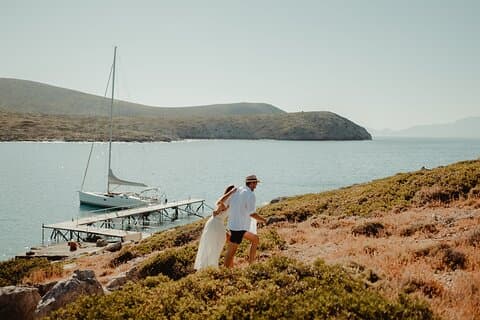
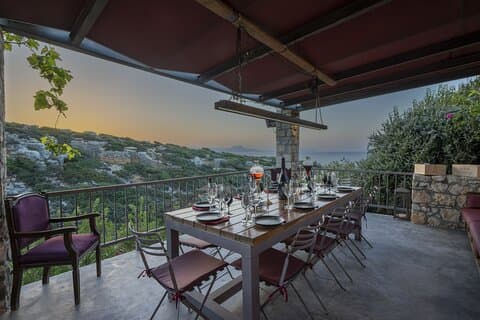
► Whitewashed Cubic Buildings & Cobblestone Alleys ► Boating to Forested Bays Featuring Clear Waters ► Traditional Dinner at a Local’s Home ► Unspoiled Nature ► Majestic Spiritual Sites ► World Renowned Archaeological Sites ► Internationally Acclaimed Winery & Wine Sampling ► Volcanic Islands ► Romantic Towns ► Outdoor & Authentic Food Markets ► Rich Culture
► And Much, Much More…
Chania, Greece
Our tour of Greece starts in the town of Chania, on the island of Crete. Perhaps most atmospheric at night when the many bars and romantic restaurants light up along the shores and under the stars, Chania is home of a charming port that serves some of the tastiest food in all of Greece. Surrounding this historic town are streets containing boutique hotels, as well as shops that commonly illustrate Crete’s fascination with artisanship. Venetian in style yet complimented by Ottoman features, Chania is not only Crete’s most architecturally attractive destination but it is also the ideal location in Crete to use as a base from which to explore the western parts of the island.
Elafonissi, Greece
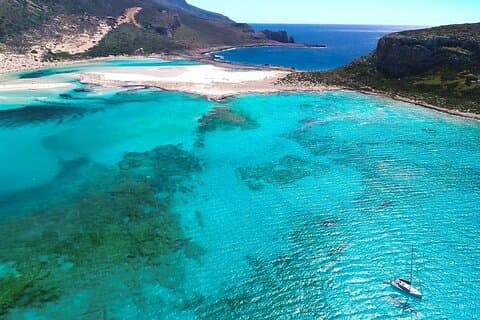
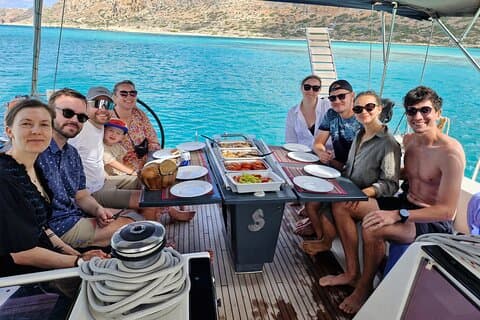
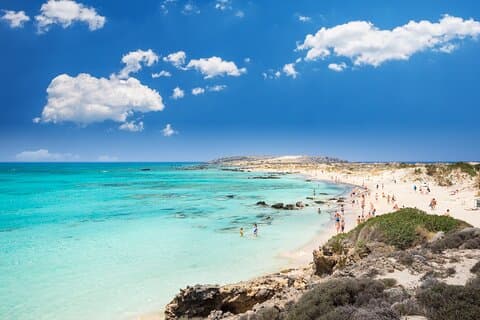
As a daytrip from Chania, we head to two of the island’s most beautiful beaches. Firstly, we drive to Elafonisi. When the weather is fine, it is possible to walk from the mainland to this island through shallow water. Next, we make our way to a beach known for its rock formation, clear water and white sands, Balos. After swimming there, we return to Chania and explore this charming town further.
Heraklion, Greece
Before relocating by land from Chania to the port town of Heraklion, we further explore the sites in Chania: Firka Fortress, the Maritime Museum, the Neoria Shipyards and the lighthouse. En route to Heraklion, we visit Rethymno. This charming port town still maintains its old aristocratic appearance, with its buildings dating from the 16th century, arched doorways, stone staircases, Byzantine and Hellenic-Roman remains, a small Venetian harbor and narrow streets. Also before reaching out hotel in Heraklion, we visit an archaeological site called Knossos. Knossos is considered by many to be the oldest city in Europe.
Santorini, Greece
We relocate by boat from Heraklion to the island of Santorini. Today we explore around the island. Cycladic in style yet complimented by some neoclassical elements, Santorini is every photographer’s fantasy. With its villages perched several hundreds of feet above water, adding to this volcanic island’s allure is a stunning and world renowned-sunset, best viewed from Oia. Now throw into the mix locally produced and internationally acclaimed wines, archeological remains and beaches with sand or pebbles made of solidified lava of various colors (e.g. Red Beach). Suddenly you have what is one of the most romanticized-and unsurprisingly visited-islands in all the Mediterranean.
Santorini, Greece
Today we explore Santorini’s historic towns of Thira and Oia. Whitewashed and pastel-colored cubic buildings and blue-domed churches seemingly pile onto one another, clinging onto the cliff-side caves of a caldera to form a dramatic landscape and striking views in what is one of the most unique destinations on earth. One can wander through a labyrinth of narrow and stone-paved alleyways filled with seasonally vibrant taverns and cafes as well as boutique shops and hotels. In these very same alleyways, some hours after our guided tour has finished, you can also find some pretty vibrant nightlife.
Milos, Greece
Today we relocate by flight from Santorini Island to Milos Island. After arrival, we begin exploring the island. The first destination is the village of Klima. There we see cute homes built right along the coastline. Next, we are taken to a catacombs archeological site. After this tour, we go by foot to the nearby ancient amphitheater followed by foot to the nearby church overlooking the town. Next, we are taken to a beach called Firopotamos. We have a look at Firopotamos but do not go swimming just yet. Next, we are taken to a beach called Mantrakia. We can purchase lunch here. After our meal, we are taken to a beach called Papafragas. Next, we are taken to a beach called Alogomandra. There we go swimming. Next, we are taken to a beach called Sarakiniko. This is the greatest beach of them all in Milos. We spend a couple of hours swimming here. After Sarakiniko, we are taken to the village of Plaka. There we hike to a viewpoint overlooking the village. We can also watch the sunset.
Milos, Greece
Today we explore Milos Island further. The beaches in Milos are among Greece’s most beautiful, with their distinct rock formations. Less visited than the world-renowned islands of Santorini and Mykonos, Milos is no less stunning in terms of its natural attractions and old town. Firstly, we head to a beach called Paliochori. There we start a boat ride along the southern coastline. Highlights include the beaches at Agia Kiriaki, Tsigrado, Firiplaka, Provatas, Kleftiko and Sikia. Upon returning to Paliochori, we go to a beach called Thiorichia. There we have breathtaking views of the coastline.
Mykonos, Greece
Today we relocate by boat from Milos Island to Mykonos Island and explore. Now famed for seasonally hosting some of the best beach parties and nightlife in all the Mediterranean as well as featuring an exciting fashion scene combined with stylish bars, restaurants and shops, what initially put Mykonos under the international spotlight is its clear and calm waters and quintessential Cycladic architecture. Although Mykonos is one of Greece’s chicest and most visited destinations, the island feels overcrowded only in July and August.
Athens, Greece
Before relocating by boat from Mykonos Island to the city of Athens, we explore the old town: whitewashed cubic buildings, a labyrinth of narrow and stone-paved alleyways and numerous little churches dotted around town. Firstly, we are taken to “Little Venice.” There we see restaurants lining against the shore. Next, we are taken to the windmills. Next, we are taken to a beach called Ftelia. There we can purchase lunch. After our meal, we are taken to a beach called Panormos. Next, we are taken to two beaches located next to each other. They are called Agios Sostis and Lover’s Beach. We arrive in Athens in the late evening.
Athens, Greece
We spend the day exploring the capital. Firstly, we are taken to an ancient citadel called the Acropolis. There we explore its Parthenon Temple. Next, we are taken to the Acropolis Museum. Next, we are taken to the Plaka area. It is known for its neoclassical buildings, shops and restaurants. Next, we are taken to a flea market called Monastiraki. We are then taken to Syntagma Square (a.k.a. Constitution Square). En route, we pass by one of the oldest churches in Athens called Kapnikarea as well as a pedestrian street called Ermou. Upon arrival at the square, we are taken to the Parliament building. There we see the changing of the guard. Lastly, we are taken to a local’s home. There we are taught how to make some local dishes as well as have dinner. Dinner is included on today’s tour.
Athens, Greece
Transportation will be arranged for you to reach the airport in Athens. If you really want not to miss all the highlights Greece has to offer and if you have extra time, then we recommend you consider Rhodes Island (2 days), Paros Island (2 days), a natural site called Meteora (2 days), a village called Monemvasia (1 day), a daytrip from Monemvasia to the Mani Peninsula, Corfu Island (2 days) and a daytrip from Corfu Town to the islands of Paxi and Antipaxos. Ask us for details.
Rhodes, Greece
A medieval town protected by fortification and graced by a maze of streets featuring inviting restaurants, cafés and shops, the UNESCO World Heritage Site, and the beautiful island capital that is Rhodes Town - an architectural gem of the Aegean Sea. Other treasures of this fairly populace and self-sustaining island include the village of Lindos and its acropolis, castles, archeological remains, rocky and scenic mountains, exotic beaches, and clear and calm waters along the southern coast.
Rhodes, Greece
Taken as a whole, Rhodes successfully balances its heritage with being a tourist-friendly and relatively well-organized destination. Noteworthy, however, is that the northern coast has given way to package tourism. At least in July, and especially August when tourists pack the island, this area is best known for its resorts, windsurfing activities, and hot-and-heavy nightlife. Ultimately, Rhodes is what you want it to be: a paradise for partygoers, a retreat for families, and/or an island home of rich culture and well-preserved traditions.
Paros, Greece
Paros looks and feels exactly like a quintessential Greek island: a maze of blue and white buildings packed with all kinds of shops, romantic restaurants dotted along the calm and clear sea, stars shining from far above, and music that makes reality temporarily forgotten – and that’s just a description of the old town. Perhaps even more of a draw is the beach scene. Although not as world renowned as nearby Mykonos, Paros is no less enticing. Whether you seek rest and relaxation or whether you enjoy wondering aimlessly, this relatively small island would be a great choice for you.
Greece
One of the largest and most impressive Eastern Orthodox complexes in all of Greece, Meteora is home of stunning monasteries perched onto surreal-looking and seemingly unapproachable sandstone rock pillars (there are steps). You will need a full day to visit all six monasteries. Note: some of them may be closed depending on when you go. Make sure to begin your day bright and early. Majestic Meteora is a place known to put visitors in touch with both nature and spirituality. Those who wish to stay near to the complex commonly base themselves in Kalabaka.
Monemvasia, Greece
Uninterrupted by modern structures, Peloponnese’s own Monemvasia is a partially fortified and charming village that clings onto a relatively high and rocky mountain. This natural landmark is sprinkled with rather colorful and diverse flowers, is romantically illuminated at night, and offers great views of the old medieval town. No less attractive are the clean, clear, and calm waters running along Monemvasia and far beyond. If all that isn’t enough, thanks to its location within the agricultural heartland of this historic nation, Monemvasia is home of some of the Mediterranean's richest cuisine - wines, seafood, vegetables, and fruits. Near the rocky mountain, and right across the bridge, is a “new town,” where local dishes are best enjoyed while dining along the pebbly beaches. Almost anyone who visits this underrated destination will quickly discover that it ranks among Greece’s finest.
Corfu, Greece
Venetian in appearance yet mostly dating from the neoclassical British period, the UNESCO World Heritage Site of Corfu Town is characterized by its palaces, churches, maze of narrow and stone-paved streets, squares, seashore promenade, trendy restaurants and cafes, and its two imposing castles that provide clear views of it all. What’s more, the town is the capital of a small and mountainous island that features verdant scenery, exotic beaches, and clear waters. Seasonally popular Corfu is otherwise known for exceptional nightlife.
Corfu, Greece
Corfu became one of the first-visited islands during Greece’s tourism boom in the 1960s. Although areas of Corfu fell to mass commercialism and overdevelopment, fortunately the island still provides many natural and unspoiled charms. Package tourists tend to lodge outside of the capital. If you are seeking an authentic experience, then you should find accommodation in the old town. Here is where you are likely to meet some of the most cultured and friendly islanders in all of Greece.
Paxos, Greece
The west coast of Paxos is dominated by steep white, chalky cliffs that are greatly eroded at sea level. Paxos harbors many 'blue caves', which can be explored on launches departing from Gaios. Antipaxos is famous for its wine as well as for two of the finest sand beaches in the Ionian Sea.
For a full refund, cancel at least 24 hours before the scheduled departure time.
Explora Crete por categoría - entradas sin cola, tours a pie, excursiones de un día, experiencias gastronómicas y más