On this trip, you will see the palace of Abba Jiffar, the last independent King of Jimma, visit the stunningly beautiful Kafa Biosphere Reserve, the birthplace of coffee, tour the Bebeke Coffee Estate - the largest in Ethiopia and meet people of the Surma and Dizi tribes and learn about their ways of life.
On the way, you'll see villages of the Gurage and Oromo people, and the land that they traditionally farm.
nal effects are on display at the museum, along with some interesting ethnographic displays relating to local cultures. Abba Jiffar's palace was built during the early years of his reign at a cost of 400kg of gold and 65,000 Maria Theresa dollars (money obtained largely through the King's active involvement in the slave trade).
The Kafa Biosphere Reserve contains the last remaining Ethiopian subtropical moist forests of any size and is a biodiversity hotspot, containing more than 5,000 species of plants. The forest is managed by community-based committees and is also renowned for its abundance of sustainable non-timber forest products including coffee, forest cardamon, forest pepper and honey. It contains natural features such as hot springs and waterfalls and is a haven for monkeys and birds, many of which remain undocumented.
yside and a huge tea plantation at Wushwush.
stopping on the way at the Bebeka Coffee Estate. This is the largest coffee plantation in Ethiopia, covering 6,500 ha, and is home to an interesting variety of bird life.
d bands of riparian woodland supporting rich bird life. You will pass through the small market town of Dima, as well as traditional villages, and you may well see Surma men herding their cattle.
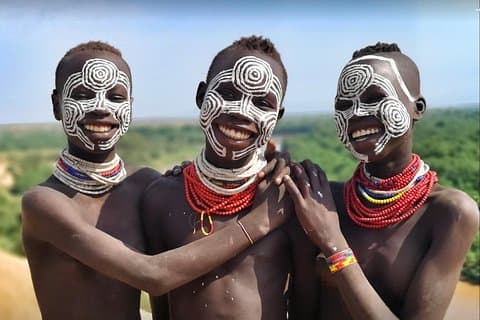
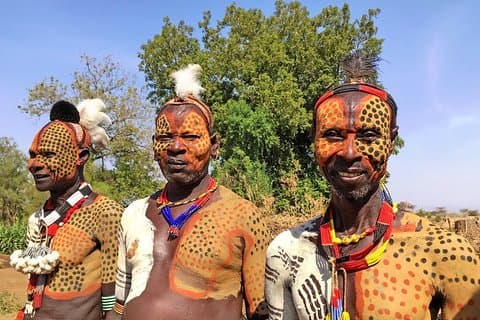
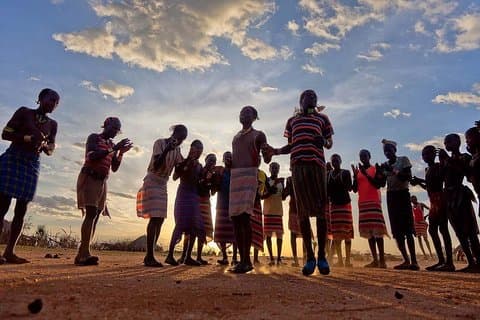
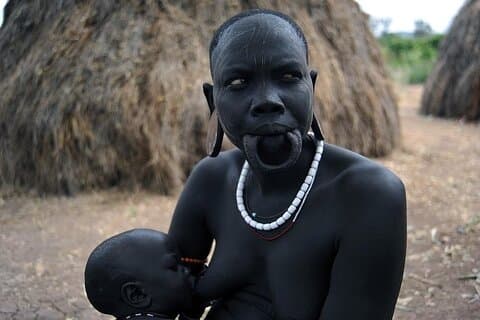
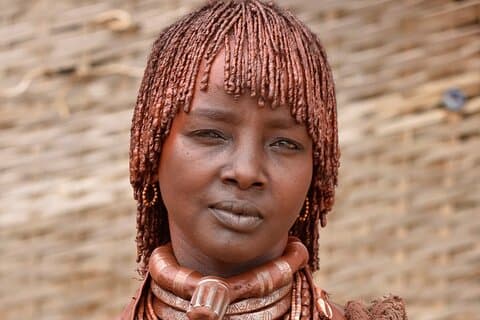
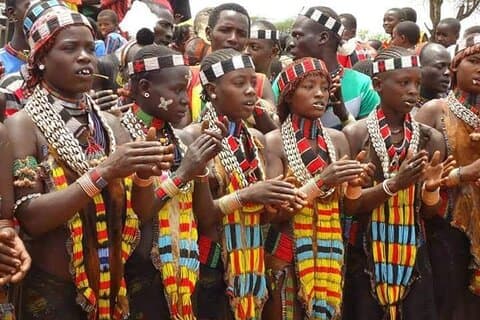
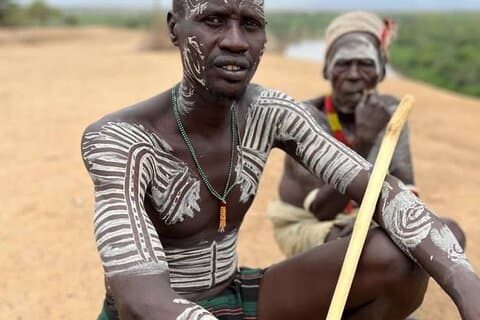
The Surma are agro-pastoralists, with the women traditionally taking care of the household and the land, and the men taking care of the livestock. Young boys and unmarried men spend much of the year in temporary grazing camps, returning to the established settlements only for ceremonial events and to collect food supplies. The Surma are similar in appearance to the Mursi, with their most noticeable feature being the lip-plates worn by the women. They also practise the art of body painting, mixing different coloured clays with water. The men of the Surma take part in ritual stick fights using long wooden poles, called Donga. Fights are held so that young men can prove themselves to the girls and find a wife. They are also used to settle disputes between individuals, clans, or even whole villages. Overnight camping near Kibish.
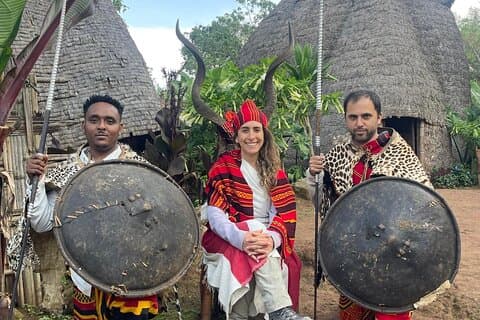
The Dizi people live in the highlands around Maji and Hanna and cultivate the land, and have traditionally been looked down on by the Surma because of their lack of cattle wealth.
upied by the Menit, Bench and Kefa people. Overnight in a hotel in Jimma.
Customers can meet us at our office which is within the compound of the Taitu Hotel, or we can pick up customers from any hotel within 6km of the Taitu Hotel.
For a full refund, cancel at least 24 hours before the scheduled departure time.
Explora Addis Ababa por categoría - entradas sin cola, tours a pie, excursiones de un día, experiencias gastronómicas y más