類似體驗
 Viator
 Headout
 Viator
 Headout
 Viator
 Headout
 Viator
 Headout
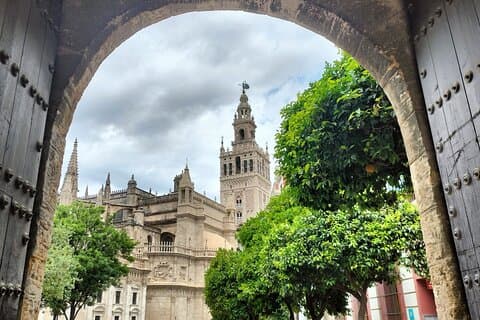 Viator
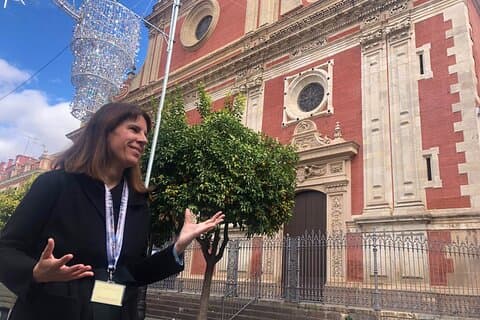 Viator
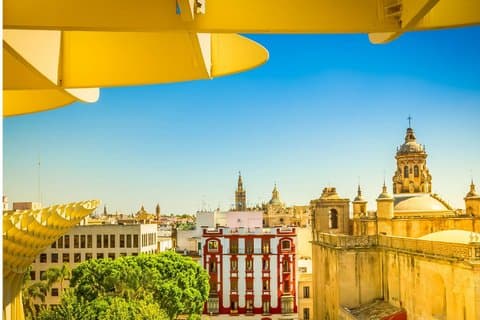 Viator
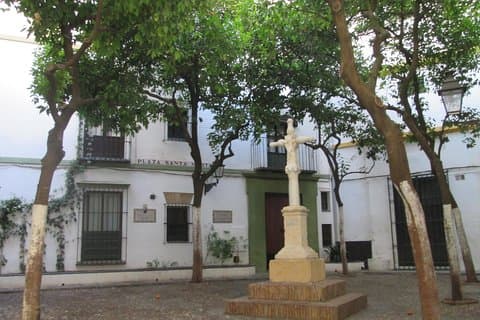 Viator
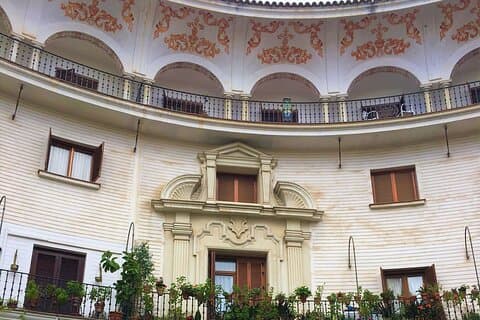
The Casa de Pilatos is the richest and most important palace after the Alcazar. Its architecture is the result of a perfect combination of Gothic, Mudejar and Renaissance. We will visit the ground floor and you can discover the interesting history of its founders, admire its architecture, its rich decoration and the magnificent sculpture collection.
Casa Salinas is another impressive Sevillian palace, which is still inhabited by its owners. You can admire among other wonders, its main Mudejar courtyard and the Roman mosaic of the backyard.
Plaza Pilatos,1, Seville, Spain
We will visit Casa de Pilate, nowadays belonging to the Dukes of Medinaceli and discover the history of this great architectural complex. We will highlight the figure of Mrs. Catalina de Ribera, Don Pedro Enríquez, of the 1st Marquis of Tarifa and the Dukes of Alcalá de los Gazules. We will admire the harmony with which the Gothic, Mudéjar and Renaissance styles are combined, its monumental front page, sculpture collections, the tiles that line its walls, the impressive cofferings and the grand staircase that leads to the main floor. We will be comforted by the freshness of its gardens and talk about how the inhabitants of this great house lived. Ground floor ticket price: 12 €/person (not included in tour price) We will start the way to the second stop of our itinerary through the narrow streets of the San Bartolomé neighborhood.
the Church of San Bartolomé, built in the place where one of the three synagogues of Seville was. We will enter the narrow streets of the neighborhood.
Santa Maria la Blanca, 5, Casco Histórico, Seville, Spain
We will pass in front of the Church of Santa María la Blanca, which was originally a mosque ceded by Ferdinand III to the Jewish community for synagogue and later transformed into a church.
C/ Mateos Gago, 39, Seville, Spain
We will visit Casa Salinas, a 16th-century palace house that continues to be a private residence and has been restored with care by its owners. We will admire the patio with its arched galleries decorated with plasterwork on Genoese marble columns, its tiled cloths and its Cartuja windows. We will visit the rooms on the ground floor, which continue to be used by their owners. We will pass to the courtyard where the impressive Roman mosaic of the second century dedicated to the god Bacchus is located.
At the entrance door
For a full refund, cancel at least 24 hours before the scheduled departure time.