类似体验
 Viator
 Viator
 Viator
 Viator
 Viator
 Viator
 Viator
 Viator
 Viator
 Viator
 Viator
 Viator
Join us for an unforgettable full-day tour of Negombo & Colombo, two cities rich in culture and history. Start in Negombo with a visit to the lively Fish Market, where you can see local fishermen at work, and explore the Dried Fish Area to learn about traditional fishing. Visit St. Mary’s and St. Sebastian's Churches, both with stunning architecture, and stroll along the historic Dutch Canal.
In Colombo, discover the spiritual Gangaramaya Temple and the striking Jami Ul-Alfar Mosque. Visit Independence Square, a key symbol of Sri Lanka's freedom, and the vibrant Temple of Sri Kailawasanathan Swami Devasthanam Kovil. Relax in Green Galleface Park and Viharamahadevi Park before enjoying a delicious Sri Lankan lunch. Perfect for adventure seekers, families, and history lovers, this tour offers insider knowledge and memorable cultural experiences. Book now for a day full of history, culture, and scenic beauty!
shing methods long before the city became a renowned beach destination with hundreds of beach resorts lining its sandy shore. This large fish market, located at the western end of Negombo's seashore, is the center of all morning action. The Negombo Fish Market is one of Sri Lanka's largest and most important markets, which drives Negombo's economy.
tness Sri Lanka’s traditional fish preservation techniques. Here, freshly caught fish—mainly tuna, sprats, and mackerel—are salted and sun-dried on large racks under the tropical sun. This centuries-old method enhances the flavor and shelf life of the fish, making it a staple in local cuisine. You can walk through the drying fields, interact with local fish processors, and learn about the labor-intensive process that supports many coastal families. The area offers a truly authentic glimpse into Sri Lanka’s fishing heritage.
Because of the city's huge number of churches, it is commonly referred to as "Little Rome." The church's construction began in 1874 and was finished in 1922, after a lengthy break. The art and architecture of this church, as well as a few other comparable buildings in Sri Lanka, reflect the early twentieth-century cultural fusion of European practice with Sri Lankan art and architecture.
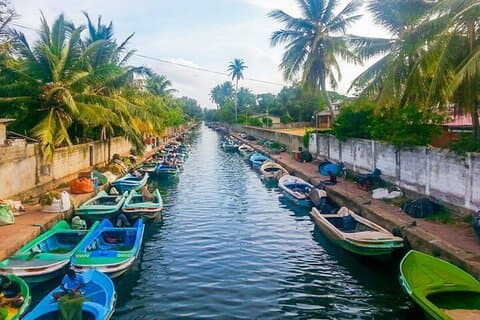
Colombo, passing through Negombo in Sri Lanka. The canal was started in 1802 by the British and finished in 1804. Its purpose was to remove saline water from the Muthurajawela marshes. Gavin Hamilton, the Government Agent of Revenue and Commerce, was honored with the canal's name.
ful blend of colonial and modern architecture. Built in the 16th century, it honors St. Sebastian, the church's patron saint. The church’s white exterior and elegant arches make it a striking landmark. It holds historical and cultural significance, serving as a vital place of worship for the local Catholic community. Annual festivals, particularly the Feast of St. Sebastian, are celebrated with lively processions and prayers. The church offers a peaceful escape, with its serene ambiance perfect for quiet reflection. Located near Negombo’s coastline, visitors can easily combine a church visit with time at the beach, making it a perfect destination for both spiritual reflection and cultural exploration.
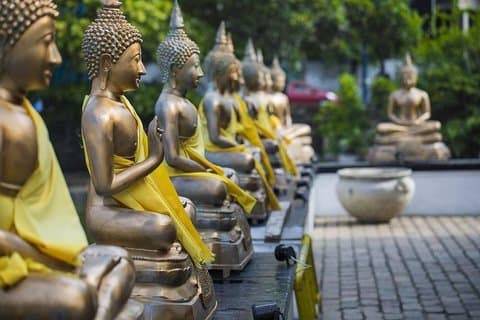
nic temple is a center for Buddhist learning and spiritual reflection.
for unique local goods, and savor authentic Sri Lankan street food.
its vibrant red-and-white facade and rich Islamic heritage.
d colonial architecture and lush surroundings.
carvings and dedicated to Lord Shiva and Lord Ganesha.
c park known for its lush greenery, beautiful flora, and large banyan trees. It’s perfect for relaxation, jogs, and family outings, with an added charm of being near the National Museum and other cultural landmarks.
reshing escape with its wide, green lawns and stunning views of the Indian Ocean. Ideal for leisurely walks, picnics, and sunset views, it's a favorite spot for both locals and tourists.
We will pick you up at the arrival hall. The driver will be waiting for you with a sign with the lead travelers name.
For a full refund, cancel at least 24 hours before the scheduled departure time.