DublinTicketsGuinness StorehouseSkip the lineBuying guide
Guinness Storehouse Tickets in 2026: Types, Options and How to Skip the Line
A 2026 guide to Guinness Storehouse tickets - standard timed entry, fast track, guided and premium experiences, and Dublin combos compared.
由SimilarTours Editorial撰写,Travel Research · · 11分钟阅读

The Guinness Storehouse is the most-booked paid attraction in Dublin, and the ticket you choose has a real effect on how the visit goes. Entry is timed, the building sits west of the city centre rather than on the main tourist walking route, and the middle of the day is reliably the busiest window. Book carelessly and you get a midday slot, a queue at the door, and a rooftop bar three deep at the counter. Book well and you get a quiet morning walk-up, an unhurried route through the floors, and a seat by the glass with the city spread out below.
The phrase "Guinness Storehouse tickets" actually covers several distinct families of booking: a standard timed self-guided entry, a fast-track or skip-the-line version of the same thing, guided and premium experiences with a host-led or hands-on element, combination tickets that bundle the visit with another Dublin attraction, and packages that add transport. This guide compares all five, explains who each one suits, and covers how to avoid the queue - without quoting prices, which move by date, season, and how far ahead you book.
Browse all Dublin experiences and tickets →Which Guinness Storehouse ticket should you buy?
| Your situation | Best ticket |
|---|---|
| Visiting off-peak, happy to explore alone | Standard timed entry |
| Summer, weekend, or a tight schedule | Fast-track skip-the-line |
| Want a host, a tasting, or to pour your own | Guided or premium experience |
| Also booking a distillery or another attraction | Combination ticket |
| Short trip, no interest in working out transport | Package with transport included |
Standard timed entry
- What it is: Admission for a chosen time slot, then a self-guided route through the exhibition floors up to the rooftop bar.
- Best for: Independent visitors travelling outside peak months or booking an early slot.
- Availability: Widest of all the ticket types, but the best slots go first in summer.
This is the baseline and, for a lot of visitors, all they need. You pick a time, arrive within your window, and make your own way up through the building at whatever pace suits you, finishing at the top with the wide view over Dublin that most people come for. Nothing about the self-guided route requires a guide to make sense of it, so the standard ticket is not a compromised version of the experience - it is the experience, minus the extras. What it does not do is protect you from the entry queue at the door during busy periods, so it is the right pick for a quiet month or an early slot rather than a summer afternoon.
Top Guinness Storehouse tickets

Guinness Family Tour VIP Access to Guinness Storehouse
5.0(8)2 hr 30 minViewFrom$125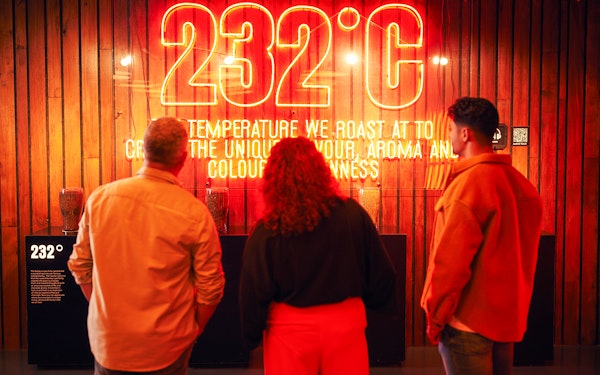
Guinness Storehouse Tickets
4.7(248)1 hr 30 minViewFrom$29
Guinness Storehouse Experience
4.4(5,415)2 hoursViewFrom$38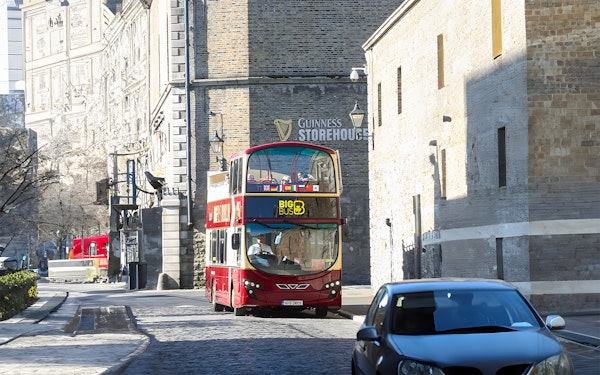
Combo: Dublin Hop-on Hop-off Bus Tour + Guinness Storehouse & Gravity Bar Tickets
4.3(27)1 hourViewFrom$58
Dublin Jameson Distillery and Guinness Storehouse Guided Tour
4.7(2,983)4 hoursViewFrom$146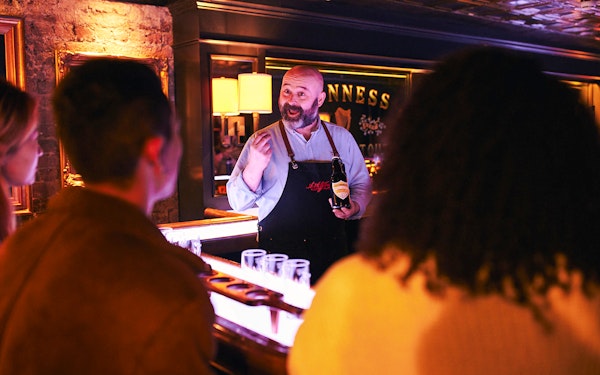
The Guinness Connoisseur Experience Tickets
4.8(5)1 hr 15 minViewFrom$104
Guinness Storehouse Ticket and Big Bus Dublin Hop-on Hop-off Tour
4.4(342)1 hr 30 minViewFrom$77
House of Guinness with Guinness Storehouse and Brazen Head Pub
4.6(63)2 hoursViewFrom$58
Smithwick's Experience Kilkenny Entrance Ticket
4.9(703)1 hourViewFrom$26
Guinness Storehouse, Irish Whiskey Experience and Brazen Head
4.7(97)4 hoursViewFrom$130
Fast-track and skip-the-line tickets
- What it is: The same timed entry with a priority entrance lane, so you bypass the general queue at the door.
- Best for: Summer and weekend visitors, and anyone whose day only works with one specific slot.
- Availability: Sells out earlier than standard entry in peak season - book a few days ahead.
Fast-track exists because of one specific pain point: the door. Timed entry controls how many people are inside, but it does not eliminate the bunching that happens at popular slots, and on a wet August Saturday the line outside is exactly the part of the day nobody wants. A priority lane removes that and leaves everything else identical.
The honest verdict is that this upgrade is season-dependent. From roughly November to March, or for a first slot of the morning at any time of year, it often buys you very little. From May through September, at weekends, and in the midday window, it is the version most travellers should book - and if your schedule has no slack, pay for it regardless of season.
See all Dublin skip-the-line tickets →Guided and premium experiences
- What it is: Entry with an added host-led, tasting, or hands-on element rather than a purely self-guided visit.
- Best for: Visitors who want more than the walk-through, and anyone celebrating something.
- Availability: Limited, because group sizes are small. Book well ahead in peak season.
This is where the ticket families genuinely diverge. Premium and guided options add something the standard entry does not include: a session with a host, a structured tasting, or the chance to pour your own drink under instruction and be shown how it is done. They typically run at fixed times with small capacity, which is why they are the first thing to disappear from the calendar in summer.
Whether they are worth it comes down to a simple question: do you want to look at the building, or do you want to do something in it? If the answer is the first, the standard ticket already covers you and the money is better spent elsewhere in Dublin. If it is the second, the premium tiers are the reason to book two or three weeks out rather than two days. Check the listing terms before booking for a mixed-age group, since options with a tasting element usually carry a minimum age.
Top Dublin brewery and distillery experiences

Dublin Private Whiskey Tour with Three Unique Distillery Visits
5.0(37)3 hr 30 minViewFrom$343
Dublin Jameson Distillery Tour and Tasting 45 mins
4.8(5,257)45 minutesViewFrom$37
Teeling Whiskey Distillery Tour with Teeling Tasting
4.9(7)1 hourViewFrom$20
Dublin Teeling Whiskey Distillery Guided Tour and Tasting 1 Hour
4.9(1,935)1 hourViewFrom$26
Teeling Whiskey Distillery Tour with Distillery Select Tasting
5.0(5)1 hourViewFrom$36Dublin Jameson Distillery and Guinness Storehouse Guided Tour
4.7(2,983)4 hoursViewFrom$146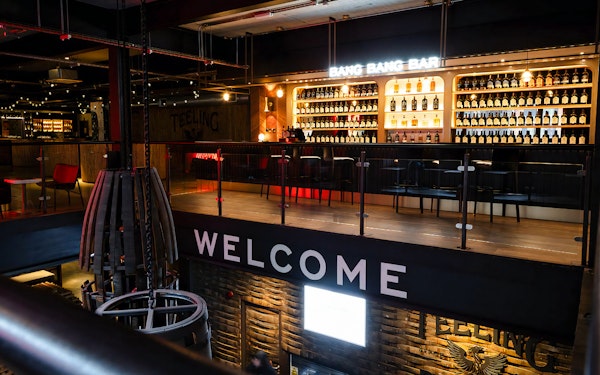
Teeling Whiskey Distillery Tour with Trinity Tasting
5.0(8)1 hourViewFrom$25
Dublin Jameson Distillery Bow St. Choice of Experiences
4.9(460)45 minutes - 1 hr 30 minViewFrom$48
Dublin: Jameson Distillery Guided Tour with Tasting & Signature Cocktail
4.7(538)45 minutesViewFrom$31
Dublin: Irish Whiskey Museum Tour with 3 or 4 Tastings
4.9(3,198)1 hourViewFrom$30
Combination tickets with other Dublin attractions
- What it is: One booking covering the Storehouse plus another attraction, most often a whiskey distillery visit or a city sightseeing element.
- Best for: Short trips where you want two or three fixed bookings sorted in a single purchase.
- Availability: Good, and the flexible validity on some combos is the main draw.
Dublin's drinks-related attractions cluster in the same western half of the city, which makes them natural pairings. A combination booking typically covers the Storehouse alongside a distillery tour, another city attraction, or a guided walk, in one transaction and often with a wider window of validity than a single timed ticket.
The smart way to use a combo is to split it across two days rather than stacking both halves into one afternoon. Two tasting-led attractions back to back is more than most people want, and the second one blurs into the first. Book the Storehouse for a morning and the distillery for the following afternoon and you get two distinct experiences instead of one long one.
What a combo does not do is help if you only want the one attraction: in that case a single ticket is cheaper to reason about and easier to reschedule.
Top Dublin guided walking tours

Dublin LGBTQ Pride Historical and Cultural Walking Tour
5.0(99)2 hoursViewFrom$28
Dublin South Walking Tour: Stories & Splendour: with Local Expert
5.0(9)2 hr 30 minViewFrom$24
Haunted Dublin Walking Tour
4.9(1,020)2 hoursViewFrom$29
Highlights of Dublin Private Walking Tour with Guide
5.0(19)3 hoursViewFrom$474
Dublin Highlights and Hidden Gems Guided Walking Tour
4.9(7,203)2 hoursViewFrom$29
Vikings, Rebels, Monks and Monarchs Self Guided Tour of Dublin
2 hours - 4 hoursViewFrom$6
2-Hour Historical Walking Tour from Dublin
4.9(996)2 hoursViewFrom$23
90 Minute Dublin Walking tour and Sightseeing tips
4.9(992)1 hr 45 minViewFrom$21
Walking tour in Merrion Square Park with a pint of Guinness Dublin Rogues Tour
5.0(36)1 hr 15 minViewFrom$40
1916 Rebellion Walking Tour
4.9(1,765)2 hoursViewFrom$27
Packages that include transport
- What it is: A ticket bundled with transport, usually a hop-on hop-off bus pass or a coach element built into a wider city tour.
- Best for: Short stays, first-time visitors, and anyone who would rather not decode the tram map.
- Availability: Reliable, though the tour-based versions run to fixed departure times.
The Storehouse sits a genuine walk west of the city centre, and while the tram makes it easy enough, plenty of visitors would rather not think about it. Packages that fold in a hop-on hop-off pass or a coach transfer solve that for anyone doing Dublin in a day or two. The trade-off is flexibility, since a bundled package usually ties you to a departure or a route - if independence matters more, buy the entry ticket on its own and take the tram, which drops you close to the door.
How to skip the line at the Guinness Storehouse
The reliable formula is short. Book in advance so you have a fixed slot at all. Choose a time outside the midday peak, with the first hour after opening the calmest and late afternoon the second-best window. Add a fast-track ticket if you are visiting between May and September, at a weekend, or on a schedule with no slack. Arrive a few minutes before your window rather than well ahead, because turning up early does not get you in sooner. And leave bulky bags at your accommodation, since storage adds time at the entrance you would rather spend upstairs.
Best time to visit
Mornings just after opening are consistently the quietest, and they leave the rest of your day free for the parts of Dublin that are better outdoors. Late afternoon is the other strong choice, because the rooftop bar is at its best as the light drops across the city. Weekends and the July to August peak are the busiest by a clear margin, and they are the clearest case for a fast-track ticket. It is also a reliable wet-weather booking in a city where the forecast changes hourly, so keeping it as your indoor fallback and a coastal walk as your outdoor plan lets you decide over breakfast.
If you are still shaping the itinerary, our things to do in Dublin guide slots the Storehouse alongside Trinity College, Kilmainham Gaol, the distilleries, and the coastal escapes, and the Dublin travel guide covers where to stay, how the trams and coastal trains work, and when to go.
Compare every Guinness Storehouse ticket option →Frequently asked questions
What is the difference between a standard and a fast-track Guinness Storehouse ticket?
A standard ticket is a timed self-guided entry: you choose a slot, arrive, and join the entry queue for that slot before making your own way up through the building. A fast-track or skip-the-line ticket adds a priority entrance lane, so you bypass the general line at the door. In quiet months the difference is small, but on summer afternoons and weekends it is the upgrade most people are glad they paid for.
Do you need to book Guinness Storehouse tickets in advance?
In peak season, yes. Entry is timed and the best slots - early morning and late afternoon - go first, with midday filling last and being the busiest experience. In quieter months you can often buy on the day, but pre-booking still fixes your slot and saves you standing at the ticket desk. Guided and premium experiences should always be reserved ahead, since they run on limited capacity.
What is included in a standard Guinness Storehouse ticket?
A standard ticket covers timed admission and the self-guided route through the building's exhibition floors, ending at the rooftop bar with its panoramic view over Dublin. A drink is typically included and can usually be taken as a soft drink instead. Beyond that, the extras that come with premium and guided tickets - pouring your own, tastings, host-led sessions - are ticket-family upgrades rather than part of the base entry.
Is a guided or premium Guinness Storehouse experience worth it?
It depends on what you want from the visit. The self-guided route works perfectly well on its own, so the case for upgrading is about the add-ons: a host-led session, a tasting element, or the chance to pour your own drink under instruction. If those appeal, the premium tiers are the reason to book early, because they run on small group sizes. If you mainly want the building and the rooftop view, the standard ticket is enough.
How long does a Guinness Storehouse visit take?
Allow around 90 minutes to two hours for a self-guided visit including time at the rooftop bar, which is where most people linger longest. Add 30 to 60 minutes if your ticket includes a guided or hands-on element. It sits west of the city centre, so factor in the tram or bus journey each way when you plan the day around it.
How do you skip the line at the Guinness Storehouse?
Book ahead, pick a slot outside the midday peak, and choose a fast-track ticket if you are visiting in summer or at a weekend. Arrive a few minutes before your window rather than early, since arriving well ahead of your slot does not get you in sooner. Guided and premium experiences generally include priority entry, so booking one covers the queue automatically.
Can you combine the Guinness Storehouse with other Dublin attractions?
Yes. Combination bookings pair it with a whiskey distillery visit, with other city attractions, or with a guided walking tour, and some packages add transport or a hop-on hop-off bus so you are not working out the tram route yourself. Combos suit short trips where you want two or three fixed bookings in one purchase; if you only want the one attraction, a single ticket is simpler.
What is the best time of day to visit the Guinness Storehouse?
The first slots after opening are the calmest, and late afternoon is the other good window, with the added benefit that the rooftop bar is at its best as the light drops over the city. The middle of the day is consistently the busiest, particularly at weekends and in July and August. If you have a choice, take a morning slot and keep the afternoon for something outdoors.
更多阅读
更多指南帮助您规划旅行

The Ultimate Dublin Travel Guide for First-Time Visitors (2026)
A field-tested 2026 Dublin travel guide - where to stay by neighbourhood, how the trams and trains work, when to go, and the first-timer mistakes worth avoiding.

Things to Do in Dublin: 27 Experiences Worth Booking in 2026
A 2026 Dublin shortlist - 27 landmarks, brewery and distillery visits, literary and music pub walks, coastal escapes, and day trips, grouped by theme.

2026年美术学院画廊门票:门票类型、免排队和套票对比
2026年佛罗伦萨美术学院画廊门票完全指南 - 定时入场、免排队预留时段、导游、乌菲兹美术馆套票和包含入场的步行游

Arc de Triomphe Tickets in 2026: Rooftop Access, Combos and How to Skip the Line
A 2026 guide to Arc de Triomphe tickets - rooftop terrace timed entry, skip-the-line, Paris viewpoint and cruise combos, and guided Champs-Elysees walks.

柏林首次访客终极旅行指南(2026)
经过实地测试的2026年柏林旅行指南 - 按街区选择住处、公共交通券如何使用、最佳出游时间,以及首次访客应该避免的常见错误。

Buckingham Palace Tickets in 2026: Types, Tours and How to Skip the Line
A 2026 guide to Buckingham Palace tickets - State Rooms timed entry, skip-the-line, Changing of the Guard tours and royal combos compared.

布达佩斯初次游客完全指南(2026)
经过验证的2026布达佩斯旅游指南 - 按地区住宿建议、公共交通使用指南、温泉浴场选择、最佳旅游季节以及初次游客常犯的错误。

Duomo Milan Tickets in 2026: Every Ticket Type Compared
A 2026 guide to Duomo Milan tickets - cathedral entry, rooftop terraces by stairs or lift, fast-track, guided tours and combined passes compared.