LondonCity pillarPlanningFirst-timer
Reisgids Londen: Essentiële tips voor eerstmalige bezoekers in 2026
Een praktische reisgids voor Londen in 2026 - waar je kunt verblijven, hoe de ondergrondse en Oyster-kaart werken, kaartjesstrategieën voor de grote attracties, eetadvies en zeven fouten die eerstmalige bezoekers betreuren.
Door SimilarTours Editorial - Travel Research · · Bijgewerkt · 13 min leestijd

Londen is voor bezoekers eenvoudig - Engelssprekend, goed in kaart gebracht, wereldklasse openbaar vervoer, dicht centraal toeristisch gebied waar de meeste attracties binnen een cirkel van 5 km liggen. De complicaties zijn meestal kleine dingen: Oyster of contactloos, ondergrondse-etiquette, wanneer van tevoren boeken, welke buurten centraal genoeg zijn. Deze gids is de praktische laag.
Als je tien minuten hebt, is de sectie kaartjesstrategie het waardevol - het bespaart je de ergste uren van het tripje.
Blader door alle 1.800+ touren en kaartjes in Londen →Wanneer je gaat
Een stad het hele jaar door; kies op basis van jouw weervoorkeur.
- Mei + juni - het beste moment. Mild (15-22°C), lange dagen, parken op hun mooist. Drukte zwaar vanaf eind mei.
- Juli + augustus - warmste (20-25°C - zelden echt warm naar wereldse maatstaven), drukste, schoolvakanties. Vaak is juli de regenigste zomermaand.
- September - de ondergewaardeerde maand. Warm genoeg voor buitenlunches, kleinere menigten, hemel neigt naar helderder dan in de zomer.
- Oktober + november - mild (10-16°C), betrouwbare regen, herfstkleur in Hyde Park + Hampstead Heath. Hotelprijs daalt merkbaar.
- December - het magische seizoen. Kerstverlichting op Oxford + Regent Street, de Hyde Park Winter Wonderland-markt, versierde pubs. Koud (4-9°C), af en toe regen.
- Januari + februari - rustigste + goedkoopste. Koud (2-8°C), vaak grijs, af en toe sneeuwvlokjes. Korte dagen (zonsondergang 16.30 uur).
- Maart + april - schouderprijs, wisselwarm. April is wanneer de parken tot bloei komen.
Het zoete plekje
Eind mei tot begin juli geeft je de meest consistente combinatie van warm weer + lang daglicht + acceptabele drukteniveaus. Half september is het onder de radar alternatief.
Waar je kunt verblijven - de vier praktische buurten
Covent Garden + Soho (WC1 + WC2 + W1) - de meest centrale keuze voor een eerste bezoek. Te voet bereikbaar naar Westminster + British Museum + de meeste West End theaters. Druk restaurant- en barscene. Middel tot hoge prijs.
South Bank (SE1) - het Theems-uitzicht alternatief. The London Eye, Tate Modern, the Globe, Borough Market zijn hier allemaal. Iets rustiger 's avonds; goed bereik van de Jubilee-lijn. Ideaal voor reizigers die een meer residentieel gevoel willen met centraal bereik.
Marylebone (NW1 + W1) - de iets chiquere, rustigere keuze. De Sherlock Holmes-buurt, Regent's Park dichtbij, goed bereik van West End. Trekt reizigers aan die Mayfair-achtig willen zonder de volledige Mayfair-prijs.
Bloomsbury (WC1) - de budget-vriendelijke centrale optie. Dicht bij British Museum, goed bereik van King's Cross + St Pancras (Eurostar). Meer budgethotels dan de ansichtkaartbuurten; dezelfde loopafstand naar de meeste centrale attracties.
Vermijd voor eerste bezoeken: overal ten oosten van Liverpool Street behalve Tower Hill (Whitechapel, Bethnal Green - prima gebieden maar niet centraal). Overal ten zuiden van Vauxhall. Overal langs de Heathrow Express-corridor dicht bij Paddington.
Rondkomen
Londons openbaar vervoer is uitstekend - 's werelds eerste ondergrondse spoorweg, 11 ondergrondse lijnen + de Elizabeth-lijn + Overground + bussen + rivierdiensten. De onderdelen:
- Ondergrondse (London Underground) - de ruggengraat. 11 genummerde/gekleurde lijnen. Een enkele betaal-naar-gebruik rit in centraal Londen kost ongeveer £3 (zone 1, off-peak / peak); tarieven stijgen met zones en zijn gewijzigd in maart 2026, dus controleer de huidige tarief op de TfL Single Fare Finder. Dagelijks contactloos plafond ongeveer £8,90 in zones 1-2 - komt overeen met Oyster-kaart.
- Elizabeth-lijn - de nieuwe lijn geopend in 2022. Kruist centraal Londen oost-west, snel naar Heathrow + Paddington + Canary Wharf. Gratis Wi-Fi.
- Bus - vast £1,75 per rit met 1-uur Hopper (tweede bus gratis binnen 60 min). Dagelijks busplafond £5,25. De nachtbussen rijden na sluitingstijd ondergrondse.
- Overground - de oranje lijn op de kaart. Handig voor externe-zone bestemmingen + Wembley.
- Lopen - centraal Londen is echt goed te voet. Trafalgar naar Tower is 45 minuten lopen door een van 's werelds beste stedelijk scenery; doen het eenmaal.
- Fietsenverhuur (Santander Cycles) - het fietsdelingsysteem. £1,65 ontgrendeling + £1,65 per 30 minuten. Handig in de zomer langs de Embankment + Hyde Park.
- Zwarte taxi + Uber + Bolt - allemaal beschikbaar. Zwarte taxi's zijn gelicentieerd, hebben meter en zijn beroemd duur maar betrouwbaar + veilig. Uber + Bolt zijn goedkoper; beide beschikbaar in de hele stad.
Pedicab-waarschuwing
De felgekleurde pedicabs in de West End (vooral rond Leicester Square + Piccadilly) zijn ongereguleerd vanaf 2026 en rekenen toeristen vaak £80-£150 voor een rit van 5 minuten. Zelfs nadat Londen de Pedicabs Bill aannam, is handhaving ongelijk. Gebruik een zwarte taxi of Uber voor korte centrale ritten 's nachts.
Kaartjes - de strategie die je tripje redt
De strategische pre-bookingen:
Boek 4-6 weken van tevoren in het seizoen:
- Harry Potter Warner Bros. Studio Tour (verkoopt sneller uit dan enige ander Londen-experience)
- West End musicals op vrijdag + zaterdag avond (vooral Hamilton + recente openers)
- Buckingham Palace State Rooms (alleen open eind juli - september, volrekt uitverkocht)
Boek 1-2 weken van tevoren:
- Tower of London (de Crown Jewels Hall-rij is de ergste in de zomer)
- London Eye fast-track voor avondslots
- Westminster Abbey verger-rondleidingen
- Stonehenge of Windsor dagtochten
- Elke timed-entry museumtentoonstelling
Kom zelf langs gratis:
- British Museum, Tate Modern, National Gallery, V&A, Natural History (gratis, maar timed-entry-boeking aanbevolen)
- Westminster Abbey direct ingang (langere rij dan reservering maar werkt)
- Changing the Guard (geen kaartjes - kom gewoon voor 10.15 uur voor de 11.00 uur ceremonie)
- De meeste South Bank wandelingen + gratis attracties
Top-Londense kaartjes om te boeken

Harry Potter Warner Bros. Studio Tour with Transport from London
Boek dit eerst als je gaat - volrekt uitverkocht 4-6 weken van tevoren in de zomer.
4.4(3,933)Half-dayViewFrom$127
Tower of London and Crown Jewels Exhibition Ticket
The Tower's standaard direct kaartje - sla de poort-rij over, kom vroeg bij de Crown Jewels Hall aan.
4.4(6,991)3 hoursViewFrom$50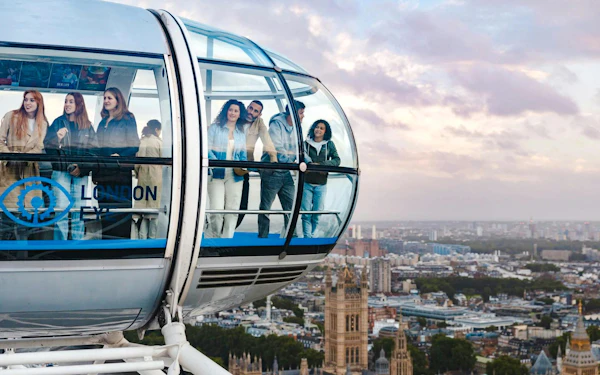
London Eye Entry Tickets
4.6(18,810)30 minutesViewFrom$39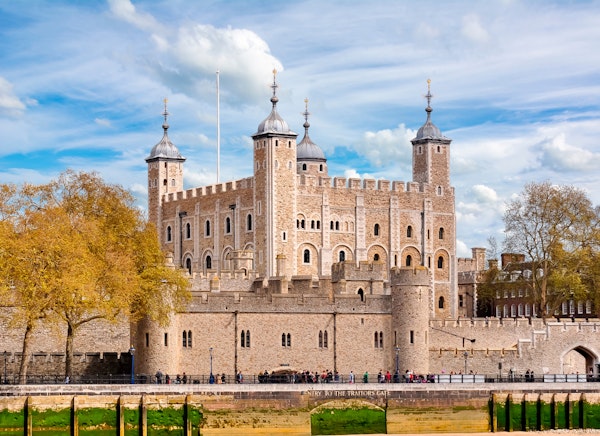
Tower of London Tickets with Access to the Crown Jewels
4.5(19,312)1 hr 15 minViewFrom$50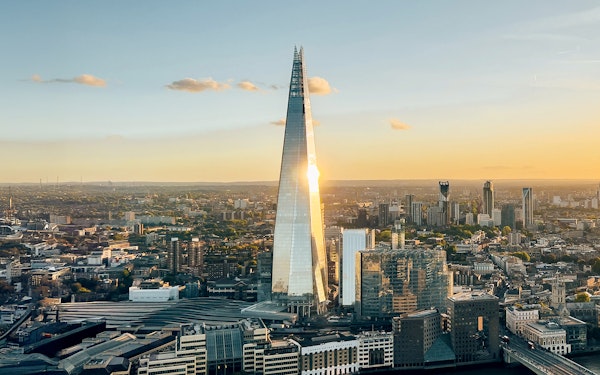
The View from The Shard Tickets
4.6(2,806)ViewFrom$32
Madame Tussauds London Tickets
4.7(5,978)ViewFrom$37
Classic London Tour with Westminster Abbey, Skip the Ticket Line
5.0(9)5 hoursViewFrom$103
Madame Tussauds London Admission Ticket with Options
5.0(7)2 hours - 3 hoursViewFrom$40
Private London City Tour: Top Sights with Local Expert
4.8(19)3 hoursViewFrom$99
London IFS Cloud Cable Car Tickets
4.7(358)20 minutesViewFrom$18
Hoe lang dingen duren
- Tower of London + Crown Jewels: 2,5-3 uur
- Westminster Abbey: 1,5-2 uur
- Harry Potter Studio Tour (met vervoer): 5-6 uur totaal
- London Eye: 30 min rit + 30 min rij + aankomst
- British Museum hoogtepunten: 2-3 uur
- Borough Market eetroute: 2-3 uur
- South Bank wandeling (Tate naar Tower Bridge): 2 uur inclusief stops
- Windsor + Stonehenge + Bath dagtocht: 10-12 uur
- Stonehenge halve dag: 5-6 uur
- West End musical: 2,5-3 uur
- Thames avond cruise: 1 uur
- Historische pubcrawl: 3 uur
Eten - de praktische versie
- Niet eten in Leicester Square of direct rond de grote attracties. Volledig toeristenvallen. Loop 3-4 blokken; kwaliteit springt.
- Lunch- en dinertijden zijn zoals in de rest van Europa. Lunch 12-15 uur; diner 18-22.30 uur; gastropubs serveren continu 12-21 uur.
- Sunday roast is de standaard pubbunch op zondagen. Reserveer van tevoren in een aanbevolen gastropub voor 12-16 uur op zondagen.
- Fooi is 10-12% in restaurants - controleer of het al inbegrepen is ("service" of "discretionary service" toegevoegd). Pubs: geen fooi verplicht aan de bar; kleine fooi bij tafelbediening.
- Afternoon tea is echt wat, niet alleen voor toeristen. The Ritz, Fortnum & Mason en de bustee-formats zijn allemaal geldig. Reserveer van tevoren voor hotelthee's; bustee's hebben vaak last-minute slots.
De Londense gerechten die het waard zijn om te bestellen: Sunday roast (reserveer de gastropub), full English breakfast, fish and chips (vermijd Leicester Square versies; vind een chippy in Soho of East End), shepherd's pie, sticky toffee pudding, Indiaans curry (Londen doet Brits-Indiase keuken die India wedijvert voor verscheidenheid + kwaliteit - Brick Lane is de traditionele zone), Borough Market eet-terwijl-je-loopt.
Van de editor
De gastropubs van Marylebone + Bloomsbury + Clerkenwell zijn waar Londenaars echt eten. Geen ketens, geen Leicester Square toeristen-menu's - onafhankelijke plekken met handgeschreven schoolborden en een echte Sunday roast. Als een pub bloemen in raamkozijnen heeft + een gedrukt lunchmenu + geen LED-borden, is het meestal de juiste.
Veiligheid + scambewustzijn
Londen is veilig voor eerstmalige bezoekers. Risico's zijn hinderlijk:
- Zakkenrollers in de ondergrondse (vooral Central + Piccadilly lijnen op topuren), Leicester Square laat 's avonds, rond Oxford Circus op kerstshoppingdagen. Voorzakken, tas geritst, geen portemonnee in achterzak.
- Pedicab-trucs (zie callout hierboven) - zonder meter, vaak enorme overboeking in West End.
- Verzoeken- + armband-trucs in Trafalgar Square + buiten Buckingham Palace - zoals Parijs/Rome. Loop voorbij.
- Wisselkantoren op het vliegveld + Oxford Street hebben slechte koersen. Gebruik geldautomaten (gratis op elke grote UK-bank + de meeste supermarkten).
- Taxi's zonder meter zijn illegaal; zwarte taxi's hebben altijd werkende meters. Uber + Bolt zijn app-geprijsd.
Dat is de lijst. Geweldscriminaliteit in centrale toeristenzones is zeldzaam.
Wat eerstmalige bezoekers het meest betreuren
- Harry Potter Studio Tour niet vroeg genoeg boeken. "Tegen de tijd dat we probeerden, waren de volgende twee weekenden uitverkocht."
- De London Pass kopen voor een 2-daagse trip met slechts 3 attracties op de lijst. "We gingen niet break-even."
- Eten in Leicester Square. "£18 voor piepkleine fish and chips die slecht waren."
- De South Bank wandeling overslaan. "We namen overal de ondergrondse; misten de beste gratis wandeling van de stad."
- Niet genoeg tijd voor de ondergrondse inruimen tijdens spitsuren. "We waren 30 minuten te laat voor het theater omdat de Northern line kroop."
- Een "Big Bus" hop-on hop-off boeken + niets anders. "We zagen niets; reden alleen 3 uur met de bus."
- Naar Madame Tussauds gaan. "Slechtste £40 van het tripje; het museum zat vol en het wassenwerk was meh."
Veelgestelde vragen
Wat is de beste wijk in Londen voor een eerste bezoek?
Covent Garden + Soho (WC2) is de populairste keuze voor eerstmalige bezoekers - centraal, goed te voet bereikbaar naar Westminster + de West End theaters, druk restaurant- en barscene, goed ondergrondse-bereik. South Bank (SE1) is het iets rustiger alternatief met uitzicht op de Theems. Vermijd hotels ten oosten van King's Cross of ten zuiden van Vauxhall voor korte verblijven - praktisch maar onhandig.
Heb ik een Oyster-kaart of contactloos nodig?
Contactloos verslaat Oyster voor de meeste bezoekers in 2026. Tik je bankkaart of telefoon aan elke ondergrondse/bus/Overground/Elizabeth-line poort - het dagelijkse limiet is hetzelfde als Oyster (ongeveer £8,90 zones 1-2). Je hoeft geen Oyster-kaart te kopen of op te laden; dezelfde tarieven, minder gedoe. Bezoeker Oyster-kaarten bestaan nog steeds maar zijn achterhaald.
Wat is de goedkoopste manier om je in Londen voort te bewegen?
Bus + lopen. Londense bussen kosten £1,75 per rit met een 1-uur "Hopper"-overdracht inbegrepen (dus twee busritten in 60 minuten kosten £1,75 totaal). De ondergrondse is sneller maar duurder. Het centrale deel van Londen is verbazingwekkend goed te voet bereikbaar - Trafalgar naar Tower duurt 45 minuten lopend door een van 's werelds mooiste stadswandelingen.
Moet ik Londense tours van tevoren boeken?
Ja voor: Harry Potter Studio Tour (4-6 weken van tevoren, volrekt het snelst), West End musicals op vrijdag/zaterdag, Tower of London + Crown Jewels Hall in het seizoen, elke timed-entry museumtentoonstelling. Zelf naar toe gaan werkt voor: gratis musea, Westminster Abbey direct ingang, de meeste South Bank wandelingen, last-minute pubcrawls.
Wanneer openen restaurants in Londen?
Lunch is 12.00 tot 15.00 uur; diner is 18.00 tot 22.30 uur (later in het weekend). Pubs met eten hebben meestal continue service van 12.00 tot 21.00 uur. Sunday roast is de standaard pubbunch op zondag van 12.00 tot 16.00 uur - reserveer van tevoren in een aanbevolen gastropub voor zondag.
Is Londen 's nachts veilig voor eerstmalige bezoekers?
Ja in de centrale toeristische zones (Covent Garden, Soho, Westminster, Mayfair, South Bank, City of London, Notting Hill). Zakkenrollen in de ondergrondse en rond Leicester Square laat 's avonds is het enige veelvoorkomende probleem - de standaardwaarschuwingen gelden. Niet instappen bij "pedicab"-chauffeurs in de West End (zonder meter, vaak enorme overboeking). Vermijd de ondergrondse na middernacht op vrijdag/zaterdag; kies in plaats daarvan voor een zwarte taxi of Uber.
Loont de London Pass zich?
Alleen als je veel betaalde attracties voorkant laadt. De London Pass bundelt 90+ sites (Tower of London, the Shard, Westminster Abbey, een hop-on-hop-off bus) op een timer van 1 tot 10 dagen. Het loont zich als je drie of meer betaalde attracties per dag aandoet - anders gaat het niet break-even, en Londons beste musea (British Museum, Tate, National Gallery, V&A, Natural History) zijn gratis. Reken het uit tegen je werkelijke lijst voordat je koopt; de meeste bezoekers van 2-3 dagen bereiken de drempel niet.
Wat zijn de beste dagtochten vanuit Londen?
Windsor Castle is de gemakkelijke halve dag (35 minuten met de trein). De klassieke full-day combinaties worden gereden met tour omdat rijden solo lastig is: Stonehenge + Bath (10-12 uur, de meest geboekte), de Cotswolds-dorpen, Oxford + de Cotswolds, en toegang tot de binnenkring van Stonehenge (een speciaal vroeg of laat moment waarmee je tussen de stenen kunt lopen - beperkt, weken van tevoren boeken). Stonehenge + Bath is de tocht die de meeste eerstmalige bezoekers toevoegen.
Keep reading
London listicle
Things to do in London: 23 experiences worth booking in 2026
The London shortlist - 23 attractions, day trips, food experiences, and after-dark picks ranked by what's worth your time.
Read more
London itinerary
3 days in London: a walkable itinerary for 2026
A field-tested 3-day London itinerary built around the 2026 booking realities - what to do, in what order, and which tours save you time.
Read more
London timing
Best time to visit London: month-by-month guide for 2026
The real trade-offs between rain, crowds, museum queues, and prices - with the two sweet-spot windows for visiting.
Read more
London ticket guide
Tower of London tickets: skip-the-line, Crown Jewels access, and the Beefeater tour
Every Tower of London ticket type compared, why the Crown Jewels queue is the worst at peak, and the free Beefeater tour every first-timer should know.
Read more
London ticket guide
Harry Potter Studio Tour tickets: booking, transport, and the premium upgrades
Every Warner Bros Studio Tour ticket + transport option compared, when to book, and the premium upgrades worth the price.
Read more
Meer lezingen
Meer gidsen om je reisplanning te helpen

1 Dag in Londen: Een Realistisch Dagschema Dat de Dag Niet Verspilt
Een dag in Londen, gepland rond wat echt past - een wandelroute door het centrum, de twee dingen die het waard zijn om van tevoren te boeken, en de valkuilen die elk een uur kosten.

The Best Museums in London: Which of Them Deserve Your Day
London has more world-class museums than any trip can absorb, and most of them are free. A guide to which ones suit which visitor, and how many you can realistically do.

Londen in de zomer: wat je boekt, wat je overslaat en wat je aantrekt in 2026
Een praktische gids voor de zomer in Londen - hoe het seizoen zich werkelijk gedraagt, welke ervaringen het waard zijn om vooraf te boeken, en wat je inpakt voor weer dat per uur verandert.

Buckingham Palace-kaartjes in 2026: typen, rondleidingen en hoe je de rij omzeilt
Een gids voor Buckingham Palace-kaartjes in 2026 - State Rooms timed entry, rij overslaan, Changing of the Guard rondleidingen en koninklijke combinaties vergeleken.

Westminster Abbey Tickets in 2026: Types, Tours and How to Skip the Line
A 2026 guide to Westminster Abbey tickets - timed entry with audio guide, skip-the-line, verger-led tours and London combos compared.

5 Days in London: The Full Itinerary, Day by Day
A 5-day London itinerary: the Tower and Westminster, Greenwich by riverboat, a Stonehenge or Windsor day trip, plus markets and real neighborhood time.

Best Walking Tours in London: Beatles, Ripper, Royals and More
The best walking tours in London by theme: classic highlights, royal Westminster, Beatles and Abbey Road, Jack the Ripper, Harry Potter, and food walks.

London in Winter: What It's Really Like and How to Enjoy It
An honest guide to London in winter: how cold it gets, the festive season, the quieter big attractions, theatre and afternoon tea, and how to plan the days.