유사한 경험
 Viator
 Viator
 Viator
 Viator
 Viator
 Viator
 Viator
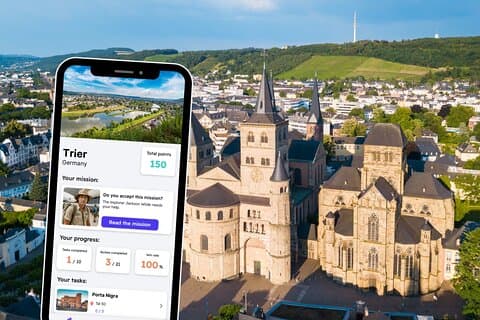
Trier: City Walk with Audio Guide in 7 Languages on your Phone
4.0(23)2 Hours - 3 Hours- 무료 취소
- 개인 투어
시작가$9 Viator
 Viator
 Viator
 Viator
 Viator
This walking tour offers guests a captivating journey through more than two millennia of history, combining Roman, medieval, and ecclesiastical landmarks in a seamless route. From the imposing Porta Nigra, the largest Roman city gate north of the Alps, to the majestic Basilica of Constantine and the awe-inspiring St. Peter’s Cathedral, guests will explore structures that reveal Trier’s significance as an imperial Roman city and a medieval religious center. Along the way, the tour highlights charming medieval streets, the vibrant Main Market, historic fountains, and the Electoral Palace, offering insight into the lives of Trier’s citizens, rulers, and clergy throughout the centuries. Carefully curated, this tour allows guests to experience Trier’s architectural treasures, cultural stories, and Roman heritage in a single, engaging journey that brings the city’s rich history vividly to life.
Simeonstrasse 60, Trier, Germany
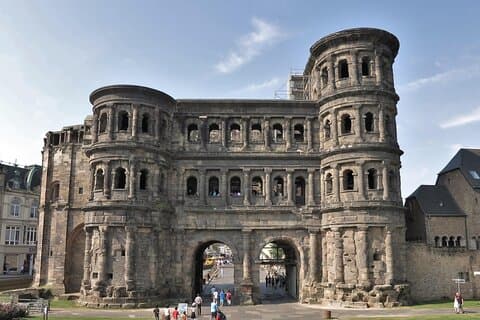
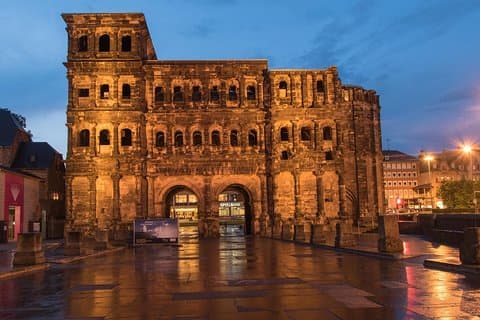
Begin at Porta Nigra, a UNESCO World Heritage Site and the largest Roman city gate north of the Alps. Constructed from grey sandstone around 170 AD, this imposing structure once served as a fortified gate and later as a monastery. Guests will learn about its Roman origins, medieval transformation, and remarkable preservation.
Simeonstrasse, Trier, Germany
Stroll past Dreikönigenhaus, one of Trier’s most unique historic houses. Guests will discover the architectural features and legends that make this building famous, gaining insight into Trier’s urban development during the medieval period.
Dietrich-Flade-Str. 3, , Trier, Germany
Next, admire the Frankenturm, a fortified brick residential tower built in the 11th century. Once part of the city’s defensive walls, this iconic tower illustrates Trier’s medieval fortifications and residential architecture.
Hauptmarkt Rd, Trier, Germany
Walk through the bustling Hauptmarkt, Trier’s main market square and a hub of trade since the Middle Ages. Guests can admire the Market Cross, which historically marked the center of commerce, and enjoy the lively atmosphere with shops, cafés, and historic façades.
Gangolf Kirche, dedicated to St. Gangulphus, the city’s second-oldest church. Guests will learn about its architectural evolution, religious significance, and the historical role it played in Trier’s spiritual life.
y the same architect behind the Electoral Palais. Guests will hear about its artistic and civic importance, as well as the symbolism of St. George in Trier’s local culture.
Johann-Philipp-Str. 6, Trier, Germany
See the fountain located in the Kornmarkt, built between 1750 and 1751 by the same builder of the Electoral Palais.
Liebfrauenstrasse 12, Trier, Germany
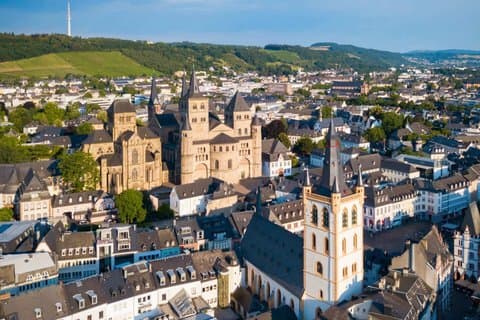
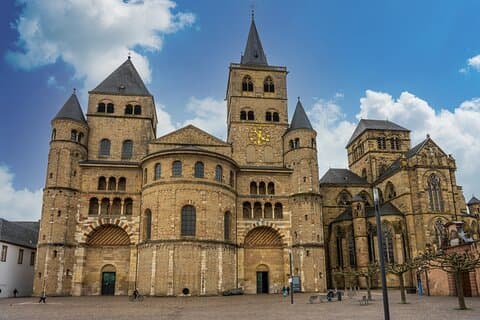
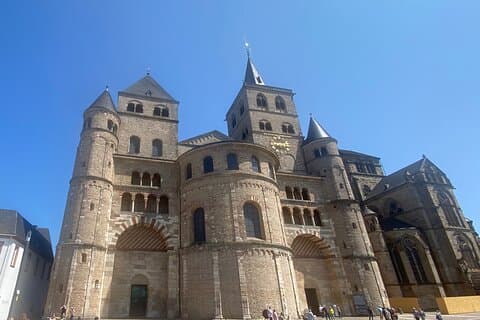
Explore St. Peter’s Cathedral, Germany’s oldest church and the largest religious structure in Trier. Constructed on Roman foundations in the early 4th century, the cathedral houses remarkable relics, medieval art, and Gothic additions. Guests will learn about its centuries-long evolution, spiritual significance, and role in the city’s history.
Guests will discover how the inner walls remain largely intact despite restorations after World War II, offering a rare glimpse into Roman architectural precision. The basilica’s grand hall, once used by Constantine the Great and subsequent emperors, now serves as a Protestant church.
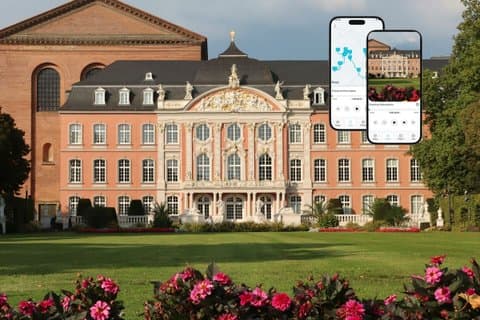
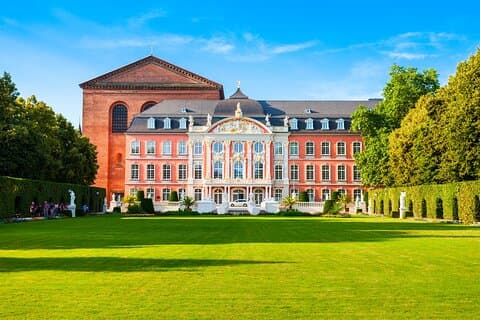
Guests will admire the Renaissance façade and learn about the palace’s role in political and religious history. The palace gardens, if open, provide a picturesque spot to understand the lifestyle of Trier’s elite.
Guests will explore the ruins of one of the largest Roman bathing complexes north of the Alps, gaining insight into daily Roman life, engineering, and Trier’s status as a Roman provincial capital.
In front of the Hotel Porta Nigra Victus, your tour guide shall be waiting with a signboard.
All sales are final. No refund is available for cancellations.
Trier를 카테고리별로 둘러보세요 - 줄 서지 않는 표, 도보 투어, 당일 여행, 음식 경험 등