Join our comfortable, sightseeing private tour of Bucharest!
Traveling by car or minivan (maximum 7 passengers), you'll enjoy a relaxed, personal atmosphere while covering all of the city’s must-see highlights.
We’ll explore the main sights of Bucharest, stopping for photos and admiring many of them from the outside.
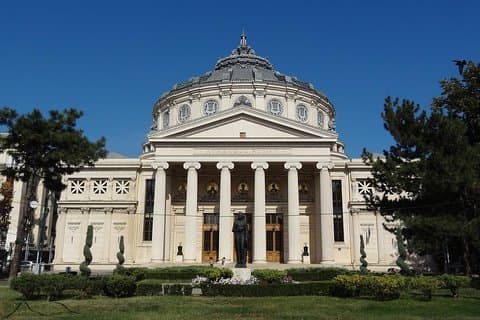
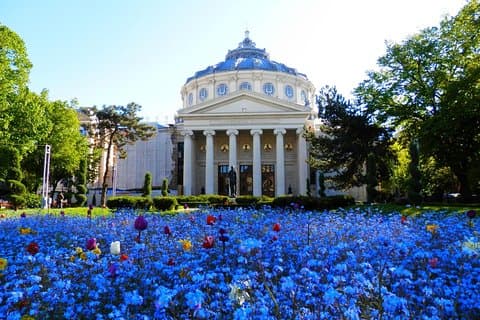
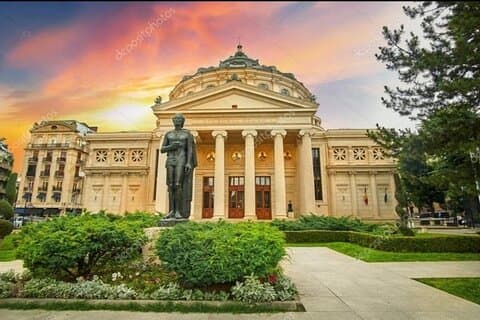
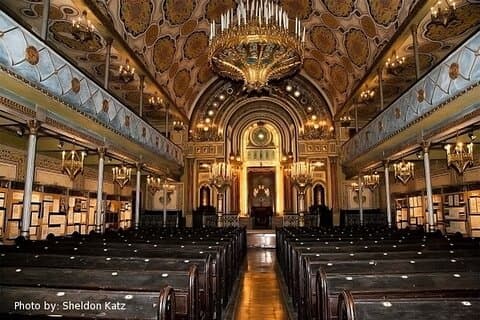
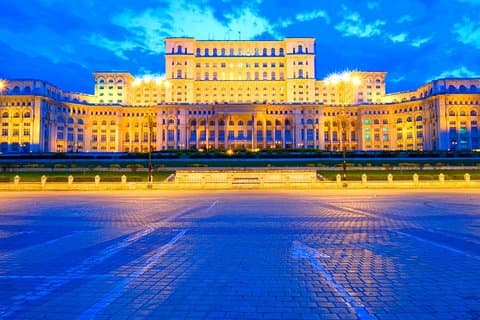
You'll see iconic landmarks such as: • The Palace of the Parliament – One of the largest buildings in the world • Revolution Square – The heart of Romania’s 1989 revolution • Romanian Athenaeum – A symbol of culture and classical beauty • Arch of Triumph – Honoring Romania’s WWI heroes • Victory Avenue and University Square – Lively, historic boulevards • Royal Palace, CEC Palace, and more!
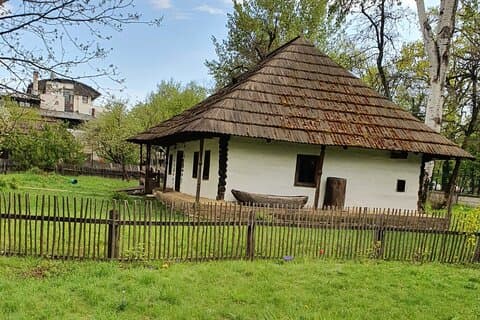
We stop for lunch inside the famous Village Museum – a peaceful, open-air museum showcasing traditional Romanian homes and village life from across the country. It’s a refreshing and authentic cultural stop, nestled right in the city!
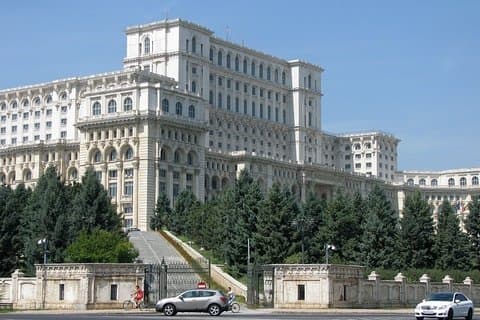
ut 4,098,500,000 kilograms (9.04 billion pounds; 4.10 million tonnes).
Romanian Orthodox cathedral located in Bucharest, Romania. Designed to be the largest Orthodox church in the world, it symbolizes the spiritual unity and national identity of the Romanian people. Construction began in 2010, and although still under development, the cathedral was consecrated in 2018. It stands near the Palace of the Parliament and features impressive Byzantine-inspired architecture.
own for its high levels of poverty, unemployment, and social challenges. It has a reputation as one of the city’s most troubled areas, facing issues such as inadequate infrastructure and limited public services. Despite its negative image, Ferentari is home to a diverse and resilient community, and there are ongoing efforts aimed at improving living conditions and social inclusion.
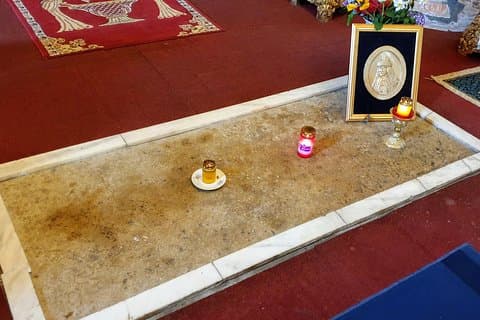
Originally built in 1963 as a mausoleum dedicated to Communist leaders, it features a striking, tall, red granite structure set on a large stone pedestal. After 1989, the site was repurposed, and since 2006, it has served as the Tomb of the Unknown Soldier, honoring Romanian soldiers who died in battle. Surrounded by a peaceful park, the monument remains an important historical and architectural landmark.
n nature reserve located in the heart of Romania’s capital. Covering around 190 hectares, the park is home to a rich variety of wildlife, including birds, amphibians, and rare plants. Formed on the site of an unfinished communist-era reservoir, it has become a symbol of urban biodiversity and environmental resilience. Văcărești offers visitors a rare opportunity to experience nature and wildlife within a major European city.
rthodox church located near Radu Vodă Monastery in Bucharest, Romania. According to legend, it was founded by Bucur, the shepherd who is said to have given the city its name. While the exact origins are debated, the church dates back to the 18th century and is one of the oldest surviving religious buildings in Bucharest. Its simple architecture and charming atmosphere make it a significant cultural and historical landmark.
Located in the city center, it serves as a major hub for transportation, commerce, and tourism. Surrounded by shopping centers, historic buildings, and the impressive Unirii Boulevard, the square is also known for its large fountains and open spaces. Unirii Square connects several key areas of the city and reflects both the modern and historical character of Bucharest.
arest, Romania, located in front of the University of Bucharest. It is a major cultural and political landmark, known for its role in Romania’s 1989 Revolution and later public demonstrations. Surrounded by important buildings, including the National Theatre and several universities, the square features statues of notable Romanian figures and is a popular meeting point. It represents a vibrant part of the city’s academic, social, and civic life.
e former residence of Nicolae Ceaușescu, Romania’s communist leader. Located in an upscale neighborhood of Bucharest, the mansion was kept secret during his rule and opened to the public in 2016. The luxurious residence features opulent interiors, grand halls, a private cinema, and a lavish indoor pool, showcasing the extravagant lifestyle of the dictator and his family. Today, it serves as a museum offering insight into Romania’s communist past.
n Bucharest, Romania, showcasing traditional Romanian village life. Founded in 1936, it features over 200 authentic houses, farms, and churches brought from different regions of the country. Set along the shores of Herăstrău Lake, the museum offers visitors a unique journey through Romania’s rural history, architecture, and culture. It is one of the oldest and largest open-air museums in Europe.
Originally built in 1922 to honor the soldiers who fought in World War I, it was later rebuilt in granite in 1936. Inspired by the Arc de Triomphe in Paris, the structure stands 27 meters tall and features sculptural decorations by notable Romanian artists. Today, it symbolizes national pride and unity and is a key site for military parades and national celebrations.
opera and ballet theater, located in the heart of Bucharest. Founded in 1921, it hosts a wide range of classical opera, ballet, and contemporary performances. The elegant building and its rich artistic program make it a key cultural institution, attracting both local audiences and international artists.
andmark in the heart of Bucharest, Romania. Built in 1888, it is famous for its beautiful neoclassical architecture and impressive domed roof. The Athenaeum is home to the George Enescu Philharmonic Orchestra and hosts numerous classical music concerts and cultural events. It is considered a symbol of Romanian arts and culture.
Romania, known as the main site of the 1989 Romanian Revolution that ended communist rule. Surrounded by important buildings like the former Royal Palace and the Athenaeum, the square features memorials and statues honoring the revolution’s heroes. It remains a powerful symbol of freedom and democracy in Romania.
Known for its elegant architecture, it is lined with important landmarks, museums, shops, cafes, and theaters. The street has been a key cultural and commercial hub since the 17th century and remains a popular destination for both locals and tourists.
For a full refund, cancel at least 24 hours before the scheduled departure time.
Bucharest를 카테고리별로 둘러보세요 - 스킵더라인 티켓, 도보 투어, 당일 여행, 음식 경험 등