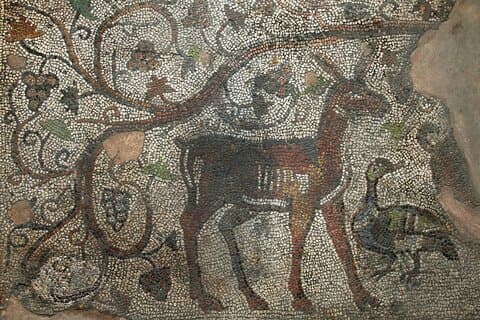
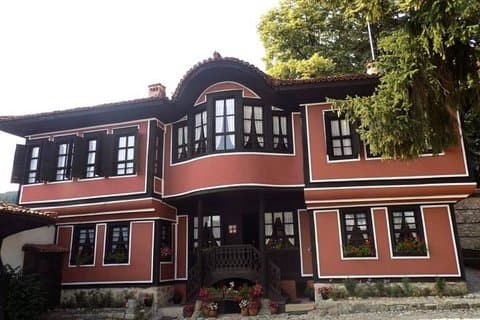
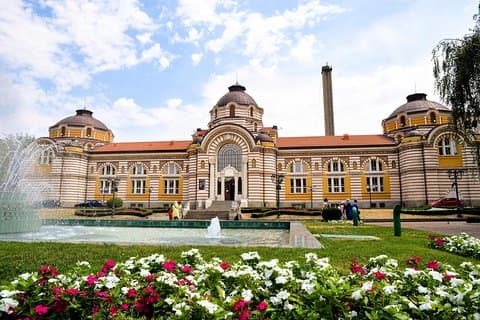
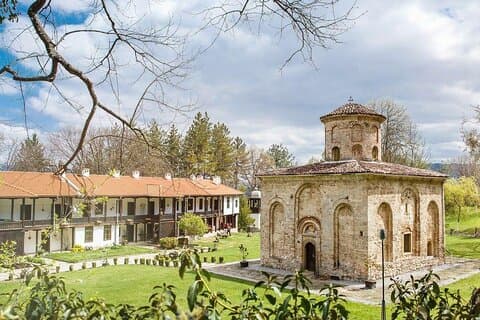
Sofia is one of the oldest cities on the Balkans found by the Thracian tribe Serdi. In 29 A.D. Sofia became the capital of the Roman province of Inner Dacia. Through the ages, the city played role as an important trading center in the Byzantine and Bulgarian Empires. Under Ottoman rule, Sofia was the center of Rumelia province. Sofia became the capital of restored Bulgaria in 1879, with a population of only about 12,000. Today many streets, buildings, parks, and even whole neighborhoods preserve the architectural style from the turn of the century. We will explore the compact city center, Boyana Church (UNESCO) and the National History Museum - one of the largest on the Balkans.
Just North of Aleksander Nevski Cathedral, , Sofia, Bulgaria
Your day of sightseeing starts from the meeting point - Vasil Levski Monument, just North of Alexander Nevski Cathedral. It is considered the biggest Orthodox basilica on the Balkans and it is a true architectural masterpiece It was built in 45 years time and financed only by the private donations of the people of Bulgaria. With your guide, you will explore it from outside and then from the inside.
Dyakon Ignatii 5 Street, , Sofia, Bulgaria
The theatre's Neoclassical building was designed by the famous Viennese architects Hermann Helmer and Ferdinand Fellner. It has a striking and very photogenic facade. Your guide will tell you more about the history of theatre and the symbolism of the figures presented on the facade.
1, Knyaz Alexander I Sq., Sofia, Bulgaria
The National Art Gallery and the National Ethnographic Museum are housed in the former Bulgarian king's palace. Did you know that the last Bulgarian monarch became a prime minister after the communist regime in Bulgaria? Some of the stories connected with the Bulgaria kings and queens from the Saxe-Coburg and Gota dynasty are as colourful as of their relatives ruling powerful kingdoms in Western Europe. Some of them will be presented by your guide in an intriguing way.
Paris St. 2, Sofia Center, Sofia, Bulgaria
This is the church that gave the name of the city of Sofia. You will explore its interior with the guide.
Tsar Osvoboditel Square, , Sofia, Bulgaria
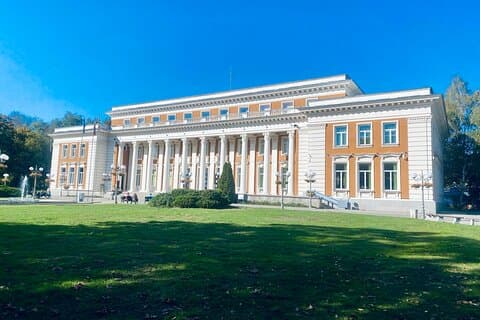
The building of the National Assembly of the Republic of Bulgaria was completed in 1886. It has been proclaimed a monument of culture for its historic significance
Tsar Osvoboditel Blvd 3, At the intersection of Rakovska and Tsar Osvoboditel Streets, Sofia, Bulgaria
The Russian church in Sofia is famous for its beauty. Many people still visit the grave of archbishop Serafim, who served in the church until his death in 1950, praying and leaving notes asking for their wishes to be granted.
bul.Knyaginya Maria Luiza 2, , Sofia, Bulgaria
TSUM is an iconic shopping center in Sofia, which opened in 1956. it shares the same building with the Council of Ministers of Bulgaria.
ul. Boyansko Ezero 3, Sofia, Bulgaria
The Boyana church is the closest UNESCO site to the Sofia city center. It was added to the World Heritage list, because of its second layer of frescoes, which dates back to the year 1259.
The meeting point is next to the Vasil Levski Monument, in front of the Embassy of Slovakia.
For a full refund, cancel at least 24 hours before the scheduled departure time.
Sfoglia Sofia per categoria - biglietti salta-fila, tour a piedi, gite giornaliere, esperienze gastronomiche e altro