LondonItineraryUnited KingdomGreenwichDay trips
5 Days in London: The Full Itinerary, Day by Day
A 5-day London itinerary: the Tower and Westminster, Greenwich by riverboat, a Stonehenge or Windsor day trip, plus markets and real neighborhood time.
Par SimilarTours Editorial - Travel Research · · Temps de lecture : 22 min

Most London itineraries are written for a weekend, which is why they all look the same: Tower, Westminster, done. 5 days in London is a different trip. The first two days still belong to the icons, but the next three unlock what shorter visits cannot reach: Greenwich by riverboat, a countryside day trip to Stonehenge or Windsor, and slow time in the markets and neighborhoods where the city actually lives. If you have a weekend, our 2-day and 3-day London guides cover the compressed version; this 5 days in London itinerary is the full arc.
The structure follows one rule: cluster by area, one direction per day, so the city's size works for you instead of against you. Every tour referenced is currently bookable through our partner OTAs and ranked on real ratings and review counts, verified July 2026.
Browse all London tours and experiences →Before you go
Where to stay. Pick one central base for all five nights. The South Bank and Westminster put days one and two on foot; Covent Garden and Bloomsbury sit in the middle of everything; Kensington and Paddington run better value with fast connections. What matters is a strong Tube line and not moving, because London punishes mid-trip hotel changes with lost half-days.
Getting around. One contactless card or phone, tapped in and out everywhere; daily fares cap automatically. The riverboats are the underrated layer of the network, and this itinerary uses them deliberately, especially the Greenwich run, which is a sightseeing cruise wearing a transport ticket.
What to book ahead. Three things: a Tower of London slot, a guided Westminster Abbey tour, and your day trip, since the popular Stonehenge and Windsor departures sell out first in season. If Harry Potter is in your plans for day five, book that earliest of all.
Pacing. Five days of London is a marathon, not five sprints. Each day below has one anchor, one supporting act, and slack. Resist upgrading the slack into more tickets; the slack is where the trip gets good.
Day 1: The Tower, Tower Bridge, and the historic City
Start where London is oldest. Book the earliest Tower of London slot you can get, see the Crown Jewels before the coach groups land, and give the fortress the whole morning; the guided options with a Beefeater or professional guide turn the buildings into stories. For lunch, cross the river to Borough Market's fringes or grab something simple by the water, saving the full market experience for day five.
In the afternoon, walk Tower Bridge for the view back at the fortress, and consider the bridge's own ticketed walkways if heights and glass floors appeal, then wander into the City's lanes toward St Paul's Cathedral, where medieval alleys thread between glass towers and the streets empty out after office hours in a way that makes the old quarter feel briefly yours. End with an easy riverside evening on the South Bank, the illuminated dome of St Paul's across the water; day two is the itinerary's biggest walking day, so keep this first night short.
Top Tower of London and Tower Bridge tickets and tours

Tower of London and Crown Jewels Exhibition Day Ticket
The most-reviewed way into the Tower by a wide margin - a flexible day ticket for the fortress and the Crown Jewels, ideal as the day-one anchor.
4.4(7,236)24 hoursViewFrom$50
VIP Beefeaters Meet & Greet with Tower of London Guided Tour
A guided Tower visit with a Beefeater meet and greet - strongly rated, and the guiding is what turns the fortress from buildings into a story.
4.8(357)2 hoursViewFrom$56
Tower Bridge Admission Ticket
Entry to the bridge itself, walkways and all - the natural add-on straight after the Tower, with the river views the postcards are made from.
4.5(138)1.5 hoursViewFrom$21
Medieval History Walking Tour from The Tower of London
A near-perfectly rated walking tour starting at the Tower and heading into the old City - the best-reviewed way to spend the day-one afternoon.
5.0(269)2 hoursViewFrom$24
South Bank (London Bridge) Walking Tour & Enter The Tower of London
5.0(8)3 hoursViewFrom$134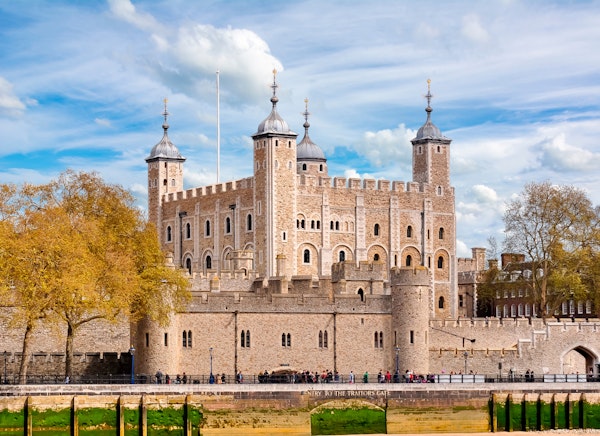
Tower of London Tickets with Access to the Crown Jewels
4.5(19,312)1 hr 15 minViewFrom$50
Windsor Castle and Tower of London Tour Including Entry Tickets
3.8(10)8 hoursViewFrom$170
London with Brazilian Guide Tower Borough Market and St Paul
5.0(6)3 hours - 4 hoursViewFrom$95
Private Tour: Tower of London with Private Guide
5.0(12)2 hr 30 minViewFrom$469
London Eye To London Bridge (River Walk)
5.0(9)1 hour - 2 hoursViewFrom$94
Day 2: Westminster, the royal core, and the London Eye
Day two moves west into postcard London: Westminster Abbey, the Houses of Parliament with Big Ben, Buckingham Palace, and St James's Park, all in one compact walkable cluster. A guided Westminster tour is the anchor, because it usually bundles skip-the-line Abbey entry with the context that makes the stones land, and often takes in the Changing of the Guard on the same loop. Give the middle of the day to St James's Park, the prettiest of the royal parks and the natural decompression between the Abbey and the palace, then walk up through Trafalgar Square, where the National Gallery offers a free hour with some of the world's best-known paintings whenever your legs vote for a sit-down. Close the day across the river with the London Eye, which replays everything you have walked in one slow rotation, and note how the Thames stitches the two days together: yesterday's fortress is visible downstream from the capsule.
Top Westminster Abbey and royal London tours

Westminster Abbey Skip-the-Line Tour, Big Ben & Buckingham Palace
The most-reviewed Westminster tour in the catalog - skip-the-line Abbey entry with Big Ben and Buckingham Palace on the same walk, which is day two in a single booking.
4.6(1,364)4 hoursViewFrom$94
Westminster Abbey, Big Ben, Buckingham Guided Tour of London
The highest-rated of the Westminster cluster tours - the Abbey, Big Ben, and Buckingham Palace led together in a tight three and a half hours.
4.9(889)3.5 hoursViewFrom$111
Changing of the Guard Guided Walking Tour in London
A guided walk timed to the Changing of the Guard, with a guide who knows exactly where to stand - the well-rated budget anchor for the royal morning.
4.9(1,866)2 hoursViewFrom$27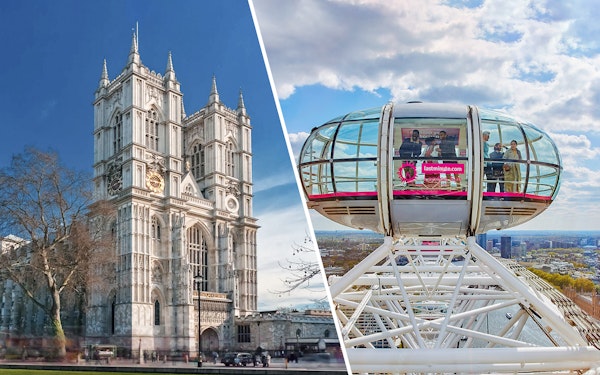
Combo: Westminster Abbey + London Eye Tickets
The Abbey and the London Eye on one combo ticket - a high-volume pairing that covers day two's opening anchor and its closing view in one purchase.
4.5(4,178)ViewFrom$74
Classic London Tour with Westminster Abbey, Skip the Ticket Line
5.0(9)5 hoursViewFrom$102
Private Walking tour London, Buckingham Palace to Big Ben and much more
5.0(10)3 hr 30 min - 4 hoursViewFrom$304
Skip-the-line London Westminster Abbey and City of Westminster Kid-Friendly Tour
5.0(8)2 hr 30 minViewFrom$328
Private Tour London Highlights, entries Westminster Abbey, The Tower of London
5.0(100)8 hoursViewFrom$644
Essential London Tour and Changing of the Guard
5.0(15)2 hours - 2 hr 30 minViewFrom$20
London in One Day: Tour Royal Westminster and the Square Mile
5.0(8)6 hr 15 minViewFrom$511
Day 3: Greenwich by riverboat
This is the day the five-day format earns its keep. Take the riverboat downstream from Westminster or Tower Pier, a journey that runs the whole landmark reel, the Eye, St Paul's, the Tower, Tower Bridge, before delivering you to Greenwich, a riverside village that feels like a different town. Up the hill, the Royal Observatory holds the Prime Meridian line, where you can stand astride the eastern and western hemispheres, with London's skyline spread below the park. Down by the water, the Cutty Sark, the Old Royal Naval College with its Painted Hall, and the covered Greenwich Market fill the rest of the day at strolling pace. Ride the boat back at golden hour and the return leg beats most paid cruises.
Top Greenwich and Thames cruise experiences
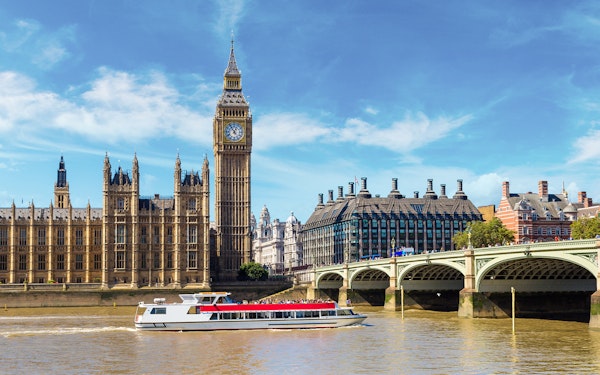
Thames Sightseeing Cruise from Westminster to Greenwich
The classic downstream run past the Eye, St Paul's, and Tower Bridge - the highest-volume Greenwich cruise in the catalog, and the itinerary's transport and sightseeing in one.
4.5(4,790)1 hourViewFrom$17
Royal Observatory Greenwich & Prime Meridian Entry Ticket London
Entry to the observatory at the top of Greenwich Park - the Prime Meridian line underfoot and the skyline view below are the day's twin payoffs.
4.1(396)2 hoursViewFrom$24
Old Royal Naval College - home to the Painted Hall, Greenwich
The riverside college and its celebrated Painted Hall - well rated, and the architectural centerpiece of the Greenwich waterfront.
4.6(178)2 hoursViewFrom$24
High-Speed Thames River Speedboat in London
The river at full throttle - over four thousand reviews and a near-perfect score, and the adrenaline alternative for one leg of the Greenwich run.
5.0(4,129)50 minutesViewFrom$95
Rocket Rebel London Speedboat Experience
5.0(16)50 minutesViewFrom$89
London Sightseeing Gusbourne Sparkling Wine Tasting & Cheese
5.0(9)1 hr 30 minViewFrom$67
London Private Gin Tasting and Masterclass
5.0(8)45 minutesViewFrom$145
York Evening Ouse Escape
3.5(122)1 hourViewFrom$25
2.50 hour Afternoon Discovery Cruise including Cataract Gorge departing at 3 pm
4.7(21)2 hr 30 minViewFrom$93
Private Port Transfer from Southampton or Dover to Central London
8 hoursViewFrom$1,308
Insider tip
Boat out, train back, or the reverse. The riverboat to Greenwich is a highlight, but you do not need it both ways. Cruise one leg for the skyline and take the fast rail or DLR the other, and you buy back an hour for the Observatory or the market. If the weather is turning, do the boat leg first; the river is at its best before the wind picks up.
Day 4: The day trip - Stonehenge, Windsor, Bath, or Oxford
With the city's core banked, spend day four outside it. London sits within coach range of an absurd share of England's headline destinations: the prehistoric stone circle at Stonehenge, Windsor Castle, the Georgian streets and Roman baths of Bath, and Oxford's honey-colored colleges. Guided coach tours combine two or three in one long day and handle every logistic, which is exactly what you want mid-trip. The Windsor, Stonehenge, and Oxford triple is the volume favorite; Stonehenge with Bath is the scenery pick. Expect an early start and a full day, and treat the coach time as the rest day your legs have earned.
Top day trips from London
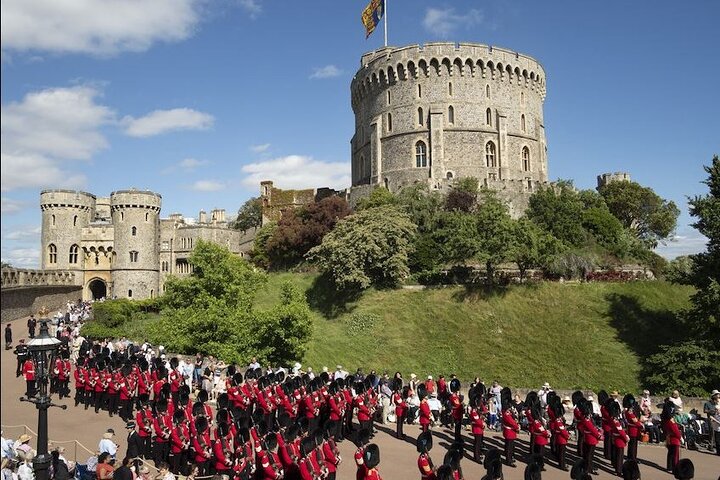
Windsor Castle, Stonehenge, and Oxford Day Trip from London
The most-reviewed combination day trip out of London - Windsor Castle, Stonehenge, and Oxford in one guided day, covering three bucket-list stops in a single early start.
4.6(5,669)11.5 hoursViewFrom$99
Stonehenge & Bath Day Trip from London
Stonehenge paired with the Georgian city of Bath - the highest-rated of the big-volume combinations, and the pick for scenery over castle.
4.8(2,255)10.5 hoursViewFrom$84
Stonehenge and Windsor from London
The two-stop version pairing Stonehenge with Windsor - strongly rated and a shorter day than the triples, with more time at each stop.
4.9(2,155)9 hoursViewFrom$94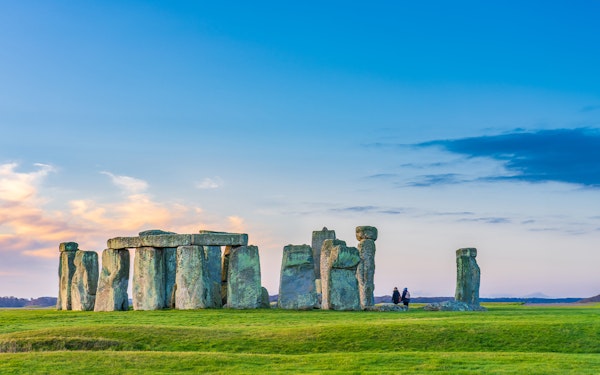
From London: Stonehenge, Windsor & Oxford Full-Day Trip
The classic triple in its Headout version - Stonehenge, Windsor, and Oxford across a full guided day, with the best rating of the three-stop runs.
4.6(1,394)11 hoursViewFrom$98
Windsor Castle, Stonehenge & Bath Day Trip by Bus from London
4.3(4)11 hours - 12 hoursViewFrom$203
Southampton Cruise Terminal to London Stonehenge,Lacock and Bath
5.0(2)12 hoursViewFrom$2,065
Bath and Stonehenge From London - Private Luxury Day Tour
5.0(9)10 hoursViewFrom$1,343
Luxury Private Vehicle Day Hire from & to London via Stonehenge Lacock and Bath
5.0(36)12 hoursViewFrom$1,363
Stonehenge and Windsor Castle Day Tour from London
5.0(24)9 hr 30 minViewFrom$119
Luxury Private Vehicle Day Hire from & to London via Stonehenge & Windsor Castle
5.0(55)10 hours - 12 hoursViewFrom$1,227
Day 5: Markets, neighborhoods, and your one wildcard
The last day is deliberately unscripted, because by now you know which London you like. The default we recommend: start at Borough Market for a grazing brunch among the food stalls, walk the South Bank past the Tate Modern and the theatres, then give the afternoon to one neighborhood, Notting Hill's pastel streets and Portobello Road if it is a Saturday, Camden's markets and canal if you want noise and energy, or Soho and Covent Garden for the West End at street level.
If markets are your thing, check the day of the week before you lock the order in. Portobello Road runs at full strength on Saturdays, Borough Market is best mid-morning on weekdays before the lunch rush, and Camden is at its liveliest on weekends. It is often worth swapping day five with day three or four so the neighborhood day lands on the right date; the Greenwich boat and the coach trips run the same every day, but the markets do not.
The big wildcard is the Harry Potter Warner Bros. Studio Tour, which holds the real sets and props from the films outside the city and swallows most of a day with travel; for fans it is worth restructuring day five around entirely, and it must be booked well ahead since dated tickets sell out. Otherwise, spend the final evening the way London does: a pub before dinner, a West End show or a last walk along the lit-up river, and the quiet satisfaction of a city properly covered.
Compare all London tours and experiences →Evenings: five nights, five moods
A five-day trip has five evenings, and they deserve planning as much as the days, especially since London's evenings are a product in their own right. A workable arc: keep night one gentle after the travel day, a riverside dinner on the South Bank with the lit-up City across the water. Night two is the natural West End night, when you are already in the theatre district's orbit; book the show ahead, eat early nearby, and let the musical or play carry the evening. Night three, back from Greenwich, suits a pub evening, the kind of slow, warm institution London does better than anywhere. Night four you will be tired from the day trip, which is what a dinner cruise is for: the landmarks slide past the window while someone else handles everything. Night five belongs to the after-dark walking tours, ghosts in Westminster or the Ripper's East End, which turn the old streets into the best free-with-a-guide theatre in the city, and then a final walk along the river.
Top London evening experiences and shows

London Theatre: Wicked the Musical
The long-running West End blockbuster - the most-reviewed of the show tickets in our catalog and the obvious anchor for the theatre night.
4.4(319)2.8 hoursViewFrom$35
London Jack the Ripper Guided Tour with Ripper-Vision
The East End's famous night walk with nearly five thousand reviews - dark stories in the old streets, and a very strong final-night pick.
4.6(4,987)1.8 hoursViewFrom$24
Wicked Westminster: The Original London Ghost walk
A night-time ghost walk through Westminster with over three thousand reviews - the after-dark version of the day-two ground you already covered.
4.6(3,301)2.5 hoursViewFrom$27
London Dinner Cruise on the Thames River
Dinner while the lit-up landmarks slide past - the high-volume pick for the night your legs are done, typically after the day-trip day.
4.1(1,902)3 hoursViewFrom$118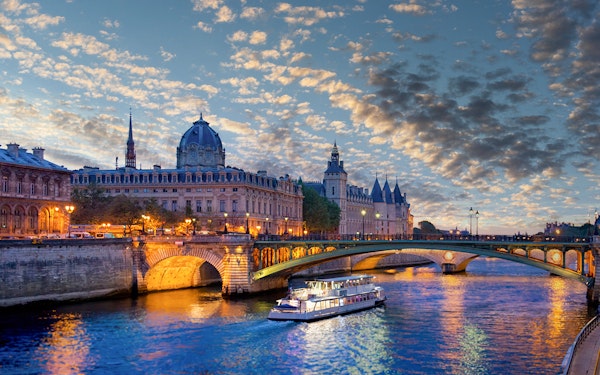
Seine River Cruise & Moulin Rouge Show with Champagne and Return Transfers
4.2(1,024)4 hoursViewFrom$227
Stardust Variety Show Evening Cruise in Yeroskipou Bay
4.9(31)4 hoursViewFrom$77
Dine & Dazzle Evening Package: Dubai Canal Dinner Cruise with Unlimited Drinks + La Perle Show
3.9(449)3 hoursViewFrom$121
Frankfurt Lounge Evening Cruise on Main River
4.4(29)2 hr 30 minViewFrom$34
Private 2-Hour Night Tour of London in an Iconic Black Cab
5.0(26)2 hoursViewFrom$353
Symphony of the Sea Show With Dinner Options
4.7(24)ViewFrom$36
What five days in London actually costs
London has a reputation as ruinously expensive, and it can be, but a five-day itinerary like this one has a surprisingly wide cost range because so much of it is structurally free. The walking, the parks, the markets, the riverside, the Changing of the Guard from the pavement, and the big national museums generally cost nothing. What costs money is the anchors, and there the pattern is predictable: the major attraction tickets and short guided tours mostly sit in the $25 to $130 band, the full-day trips run roughly $85 to $130 with coach transport included, and the evening layer, shows, cruises, night walks, spans from about $25 for a walking tour to over $100 for the dinner cruise.
A sensible budget model is one paid anchor per day plus one or two evening bookings across the week. At the frugal end, Tower ticket, one Westminster walk, the Greenwich boat, a half-day Stonehenge trip, and a night walk, you can keep five days of experiences near $200 per person. The comfortable middle, with guided versions of the anchors, the full triple day trip, a show, and a cruise, lands somewhere around $400 to $500. Food follows the same logic: market lunches and early dinners keep costs civilized, and the meals worth splurging on in London are the ones with a view or a roast attached. Transport is the cheap part; contactless caps mean a heavy sightseeing day rarely costs more than a fast-food lunch.
How to adapt this itinerary
With kids. Keep the skeleton, soften the middles. The Tower, the riverboat, and Greenwich are already the most child-friendly days in the plan; swap the Westminster Abbey interior for more Changing-of-the-Guard and park time, consider making day four the Harry Potter Studio Tour instead of Stonehenge, and protect the afternoons for playgrounds. Our dedicated London with kids guide covers the full family version.
In winter. The structure holds, but flip the days around the light: outdoor anchors before mid afternoon, and let the early darkness carry the evening program, which in winter is arguably better, lights tours, theatre, and lit-up viewpoints. The Greenwich boat is best on the brightest day of your forecast, so keep days three and five swappable.
For return visitors. Compress days one and two into a single greatest-hits refresher, then spend the freed day going deeper: a second neighborhood, a football stadium tour, Hampton Court or Kew as a softer day trip, or a themed walking tour in a district you skipped last time. The Greenwich and day-trip days survive repeat visits untouched; they are the parts of the plan people report wanting to redo.
On a tight budget. Drop the guided versions, keep the structure. Free museums replace paid interiors, the Greenwich boat becomes the week's one transport splurge, the day trip trades down to the half-day Stonehenge run, and the evenings run on pubs and night walks. The shape of the trip, east, west, downstream, out, loose, is what makes it work, and the shape is free.
Practical tips
Book in this order: Harry Potter Studio Tour if you want it, then the Tower slot, the Westminster Abbey tour, and the day trip. Those four are where sold-out dates can actually break the plan.
One direction per day. East on day one, west on day two, downstream on day three, out of town on day four. The single biggest time-saver in London is refusing to crisscross.
Use the river as infrastructure. The Westminster-to-Greenwich boat is transport, sightseeing, and a rest at once, and it costs less than most people expect.
Keep the fifth day loose until you are there. By day four you will know whether you want Potter, Portobello, or a second run at a museum; a pre-booked day five is the most commonly regretted booking on a long London trip.
Carry a light rain layer every day and let the weather bounce off the plan. Every day in this itinerary has an indoor fallback within ten minutes' walk.
Quick recap: your 5 days in London
Day 1: the Tower of London, Crown Jewels, Tower Bridge, and the old City. Day 2: Westminster Abbey, Big Ben, Buckingham Palace, and the London Eye. Day 3: riverboat to Greenwich for the Prime Meridian, the Cutty Sark, and the market. Day 4: a guided day trip, Windsor, Stonehenge, Bath, or Oxford in combination. Day 5: Borough Market, the South Bank, one neighborhood, and your wildcard. That is the icons, the river, the countryside, and the everyday city, which is as complete as any first visit to London gets.
Plan your trip
See all London tours and experiences →Is 5 days enough for London?
Five days is the first trip length where London stops feeling like a checklist. Two days cover the headline core, the Tower in the east and Westminster in the west; the extra three buy you Greenwich by riverboat, a proper day trip to Stonehenge, Windsor, or Oxford, and unhurried time in the markets and neighborhoods that day-trippers never reach. You still will not finish London, nobody does, but five days is enough to feel you met the city rather than photographed it.
What should I not miss with 5 days in London?
The reliable spine is: the Tower of London and Tower Bridge, Westminster Abbey with Big Ben and Buckingham Palace, a Thames ride to Greenwich, one day trip out of the city, and one slow day across Borough Market, the South Bank, and a neighborhood like Notting Hill or Camden. That covers the icons, the river, the countryside, and the everyday city, which are the four different Londons a five-day visit can genuinely fit.
Should I include a day trip in a 5-day London itinerary?
Yes, and it is the single biggest upgrade over a shorter trip. London sits within coach range of Stonehenge, Windsor Castle, Bath, and Oxford, and guided day tours combine two or three of them with all logistics handled. On a two or three day visit a day trip costs you the city; on a five day visit it adds a whole extra dimension, and the combination tours mean one early start covers several bucket-list stops at once.
Is Greenwich worth visiting on a London trip?
With five days, absolutely. Greenwich packs the Royal Observatory and the Prime Meridian line, the Cutty Sark, the Old Royal Naval College, a proper covered market, and one of London's best skyline views from the park, all in a compact riverside village that feels distinct from the center. The journey is half the point: the riverboat from Westminster or Tower Pier turns the trip into a landmark cruise in its own right.
How do I get around London in 5 days?
Tap in and out of the Tube and buses with a contactless card or phone; fares cap automatically each day, so you never overpay. Cluster each day by area, this itinerary is built that way, and you will spend surprisingly little time in transit. Use the riverboats where they fit, especially to Greenwich, because they double as sightseeing, and expect to walk a lot; central London links up on foot better than the Tube map suggests.
What should I book in advance for 5 days in London?
Book the timed-entry anchors before you fly: the Tower of London, any guided Westminster Abbey tour, and your day trip, since the popular Stonehenge and Windsor departures fill first in peak season. If the Harry Potter Studio Tour is on your list, book it earliest of all; it sells dated tickets and popular dates go weeks ahead. River cruises, Greenwich sights, and hop-on-hop-off passes can usually wait until a day or two out.
Where should I stay for a 5-day London itinerary?
Anywhere central on a good Tube line works, because this itinerary radiates out in a different direction each day. The South Bank and Westminster keep the first two days on foot; Covent Garden and Bloomsbury sit in the walkable middle with strong links everywhere; Kensington and Paddington trade a little distance for better value and fast airport connections. Pick one base for all five nights; changing hotels mid-trip in London wastes half a day every time.
What if it rains during my 5 days in London?
Assume it will at some point, and pre-assign the wet day rather than improvising. Days one and two absorb rain well, since the Tower, the Abbey, and the museums are largely indoors; the Greenwich boat day and the neighborhood day are the ones worth shuffling toward the best forecast. The coach day trips run rain or shine and Stonehenge in weather has its own drama. Carry a light rain layer daily, keep days three and five swappable, and no single forecast can break the plan.
How much should I budget for tours and attractions over 5 days in London?
A workable pattern is one anchor experience per day. The big attraction tickets and short guided tours mostly sit in the $25 to $130 range, while full-day trips to Stonehenge, Windsor, Bath, or Oxford typically run $85 to $130 with transport included. Balanced against that, London's biggest museums are generally free, Greenwich is cheap once you are there, and whole afternoons of this itinerary, markets, parks, riverside walks, cost nothing at all.
Keep reading
Plus à lire
Plus de guides pour vous aider à planifier votre voyage

1 jour à Londres : un itinéraire réaliste qui ne gaspille pas la journée
Un jour à Londres, planifié autour de ce qui rentre réellement - un parcours à pied dans le centre, les deux choses à réserver, et les pièges qui mangent une heure chacun.

The Best Museums in London: Which of Them Deserve Your Day
London has more world-class museums than any trip can absorb, and most of them are free. A guide to which ones suit which visitor, and how many you can realistically do.

Londres en été : que réserver, ce qu'il faut éviter et quoi porter en 2026
Un guide pratique pour l'été à Londres - comment la saison se déroule réellement, quelles expériences valent la peine d'être réservées à l'avance, et quoi emporter quand la météo change d'heure en heure.

Billets Palais de Buckingham 2026 : types, visites et comment éviter la queue
Guide 2026 des billets du Palais de Buckingham - accès chronométré aux Salons d'État, coupe-file, visites de la Relève de la Garde et comparaison des forfaits royaux.

Billets pour l'Abbaye de Westminster en 2026 : Types, visites guidées et comment éviter la queue
Guide 2026 des billets pour l'Abbaye de Westminster - accès à horaire fixe avec audioguide, coupe-file, visites avec verger et forfaits combinés à Londres comparés.

Best Walking Tours in London: Beatles, Ripper, Royals and More
The best walking tours in London by theme: classic highlights, royal Westminster, Beatles and Abbey Road, Jack the Ripper, Harry Potter, and food walks.

London in Winter: What It's Really Like and How to Enjoy It
An honest guide to London in winter: how cold it gets, the festive season, the quieter big attractions, theatre and afternoon tea, and how to plan the days.

London with Kids: The Family Guide That Actually Works
A practical guide to London with kids: the family attractions worth booking, where to stay, the parks that save the afternoon, and a real rainy-day plan.