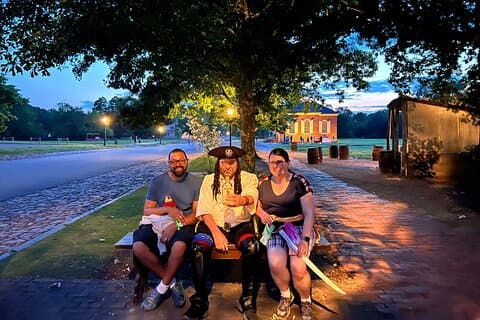
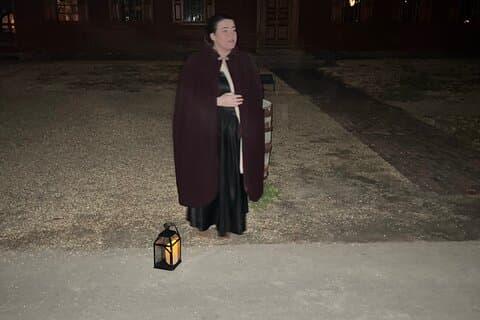
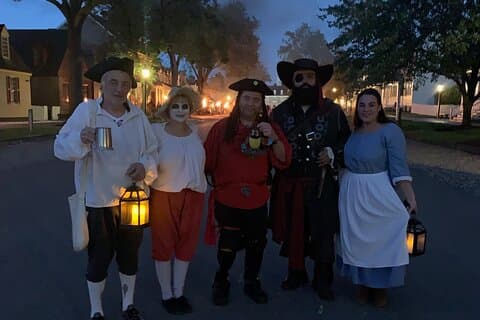
Come on our historical tour presented by Junket!
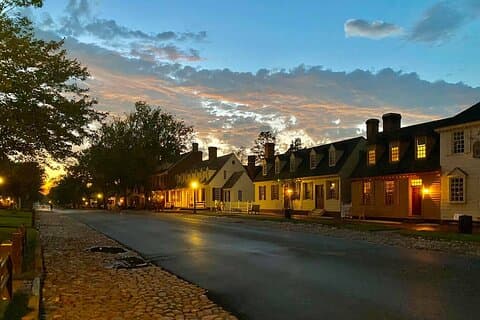
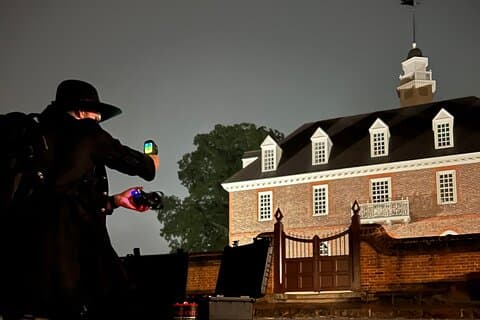
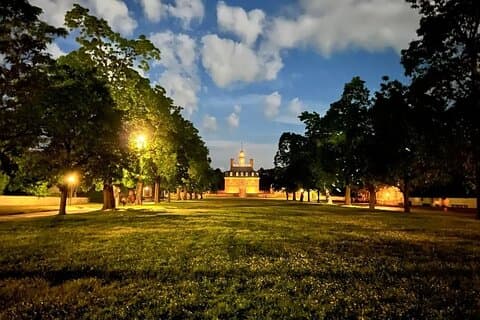
Colonial Williamsburg is a living history museum. We'll examine Williamsburg in its early colonial guise. You'll experience what it was like to reside in the colonial capital during a time when ruthless businesspeople, ruthless politicians, enslaved Africans, and possibly a few pirates walked these streets. Investigate the homes, business, places of government, and houses of worship that were integral to society in Colonial Williamsburg. Rewind to a period when the cries of emancipation reverberated through the halls of power and the murmurs of American independence hung thick in the air.
ween English colonists and Native Americans.
325 W Francis St, , Williamsburg, United States
"Idiots, lunatics, and those of insane mind" were to be housed in this institution, according to its founding documents. Although conditions were frequently not much better than those in jails, several doctors tried to make things better for their patients. After the Civil War, the situation worsened once again, and in the 1890s, the original structure burned down.
201 W Duke of Gloucester St, (Next to Palace Green), Williamsburg, United States
The church was established in 1682, and the current structure was built in 1715. At various times during their lifetimes, five presidents frequented this church. Martha Washington's first husband and two of their children are interred in the church's cemetery.
Palace Green Street, Williamsburg, United States
Professor of law, politician, judge, and signer of the Declaration of Independence: George Wythe was an accomplished man. John Marshall (Supreme Court Justice) and Thomas Jefferson were among his pupils. Examine the controversy surrounding his passing.
Residents were concerned about traffic after vehicles were introduced, but W.A.R. Goodwin, the head of the Williamsburg restoration effort, came up with a brilliant solution.
The whipping post and stockyards just outside are evidence that justice was swiftly delivered in Williamsburg.
Patrick Henry, Thomas Jefferson, and others founded the Committees of Correspondence in this location, which served as the primary vehicle for political coordination and preparation among the colonies prior to the start of the Revolutionary War.
building was built in 1748 as a location to store critical papers. At the moment, the Secretary's Office is the oldest archival structure in the Western Hemisphere.
edge water drainage system to catch rainfall. The history of this house includes a fascinating chapter about a group of African slaves.
300 Palace Green St, Colonial Williamsburg, Williamsburg, United States
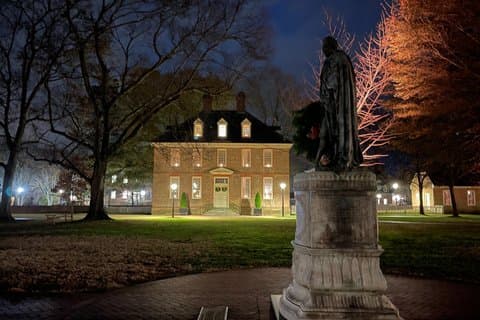
The structure you'll see was a replica completed in 1934, but Thomas Jefferson, who previously lived there while serving as governor of Virginia after the Revolutionary War, had the original ideas for its construction.
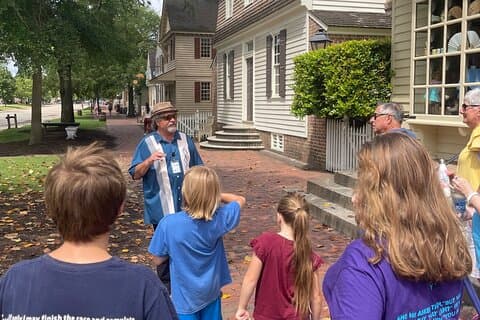
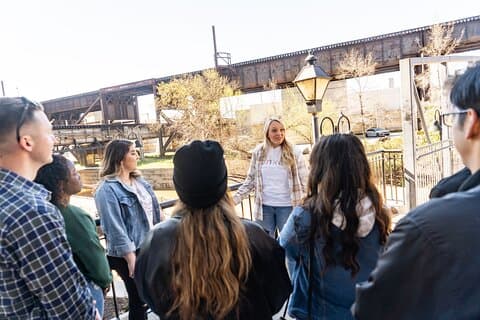
Meet your guide outside the Kimball Theater. Your guide will be wearing a white Junket T-shirt and carrying a flag!
For a full refund, cancel at least 24 hours before the scheduled departure time.
Gennemse Williamsburg efter kategori - skip-the-line billetter, ture til fods, dagturnéer, madbeskrivelser og meget mere