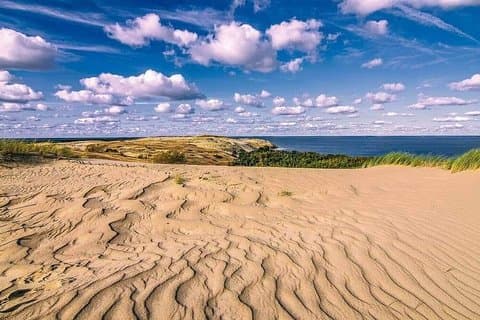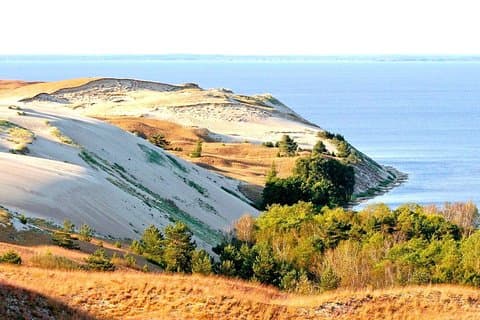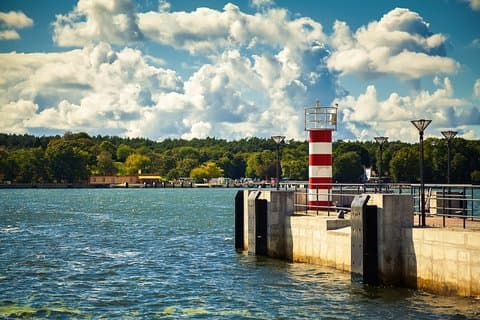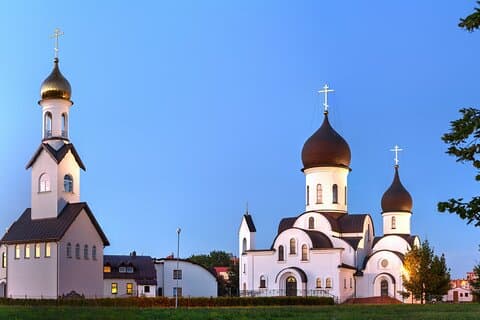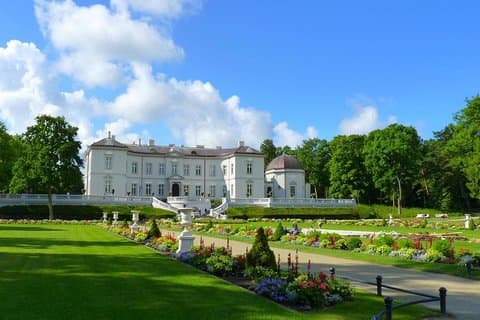
The tour begins with a ferry ride to the Curonian Spit, where you will get acquainted with its main attractions. You will see dunes, resort villages Juodkrante and Nida, visit the Cormorants and Herons colony, Thomas Mann Museum. There will be time for a lunch break in Nida (not included). After 6 hours by bus, you will return to the port, from where you can walk to the Old Town on your own to inspect it.
98 Km Peninsula, Klaipeda - Lesnoye, Visitor’s Centre - Smiltynes st., 11, Klaipeda, Lithuania
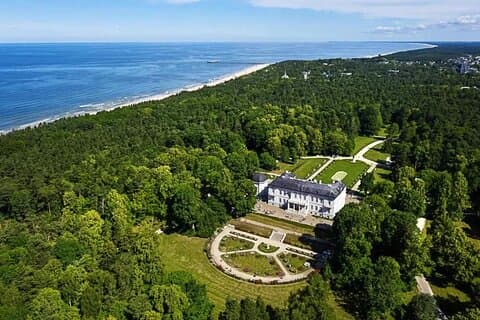
The Curonian Spit is a 98 km long, thin, curved sand-dune spit that separates the Curonian Lagoon from the Baltic Sea coast. Its southern portion lies within Kaliningrad Oblast, Russia and it’s northern within southwestern Lithuania. The spit is famous for its large sand dunes and "dancing trees", twisted by the wind force.
Gintaro Ilankos g. 10, Juodkrante, Lithuania
The history of the treasures of Juodkrantė begins in the middle of the 19th century, when a large quantity of raw amber was discovered near Juodkrantė during a project to deepen a seaway in the Curonian Lagoon, which is known as Kuršių marios in Lithuanian.
Juodkrante, Lithuania
Juodkrante is the second largest settlement after the Nida in the Lithuanian part of the Curonian Spit, which is located on the Curonian Spit. The village attracts tourists with its very beautiful and vibrant nature.
Witches (Raganu Kalnas in Lithuanian) is a natural forested area filled with nearly 100 carved wooden sculptures. The original sculptures were mostly carved by Samogitian folk artists (further sculptures have been added since) and illustrate Lithuanian folk tales.
Well, at the moment, as this dune has changed its location throughout the history. The wind blows the sand, and the dune moves, sometimes swallowing the whole settlements or fishermen villages. The dune is 52 m high, and you can see both the Baltic Sea and the Curonian lagoon from its top. Right on the top of the dune, next to the view point, you will see the sun clock.
Nida, Lithuania
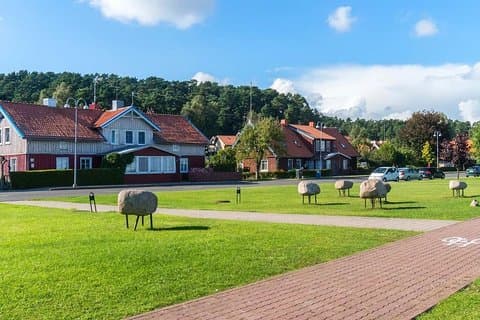
Nida is the most beautiful and characteristic town from all the settlements on the Curonian Spit. Easily recognised from its traditional wooden houses, the facades decorated with colourful ethnographic motives, the golden dunes, wonderful beach, lagoon and flying Curonian pennants, it’s a little piece of heaven on earth.
Skruzdynes g. 17, Nida, Lithuania
The Nobel Prize-winning author of Death in Venice, Doctor Faustus and scores of other novels, short stories and essays, Thomas Mann (1875-1955) spent the summers of 1930 and 1931 in Nida, and this is the building he had constructed in which to spend them in. Now a museum, several of the rooms have been given over to exhibits charting the man’s life both here and abroad.
On the Left Bank of River Dana, Klaipeda, Lithuania
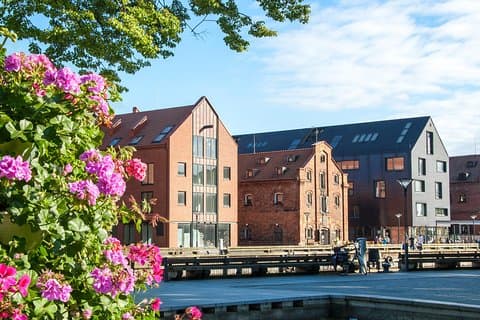
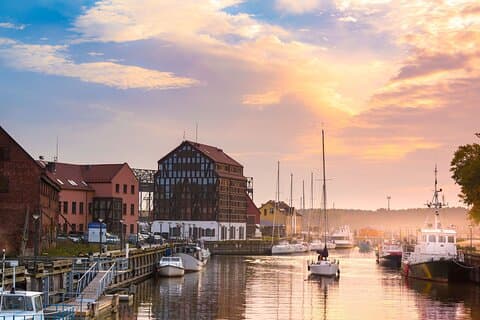
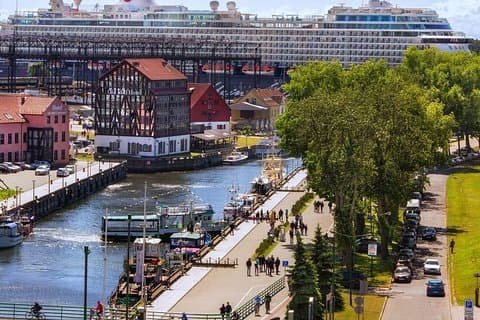
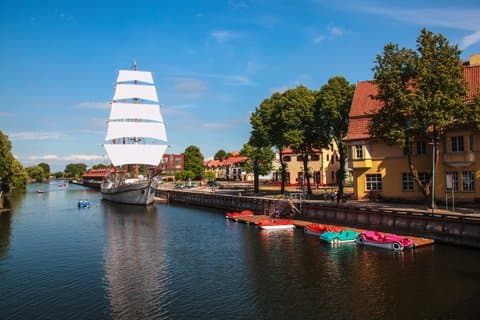
Klaipėda's Old Town is different from the rest of Lithuania since it has a lot of German and Scandinavian architecture. It is unique with its fachwerk architectural style and the planned street structure, can't be found in any other old town in Lithuania. Its streets are geometrically configured very correctly, and the angle of intersection is always straight. *You can explore the old city on your own, as It is within walking distance of the port.
Meet your professional tour guide outside the main port gate.
All sales are final. No refund is available for cancellations.
Gennemse Klaipeda efter kategori - skip-the-line billetter, gå-ture, dagsture, madoplevelser og meget mere